Tucked away in the heart of Siberia, lies a breathtaking wonder known as Lake Baikal. This ancient lake holds a special place in our world, boasting the title of Earth’s oldest and largest freshwater lake by volume. Can you believe that it contains an astonishing 20% of all the planet’s freshwater?
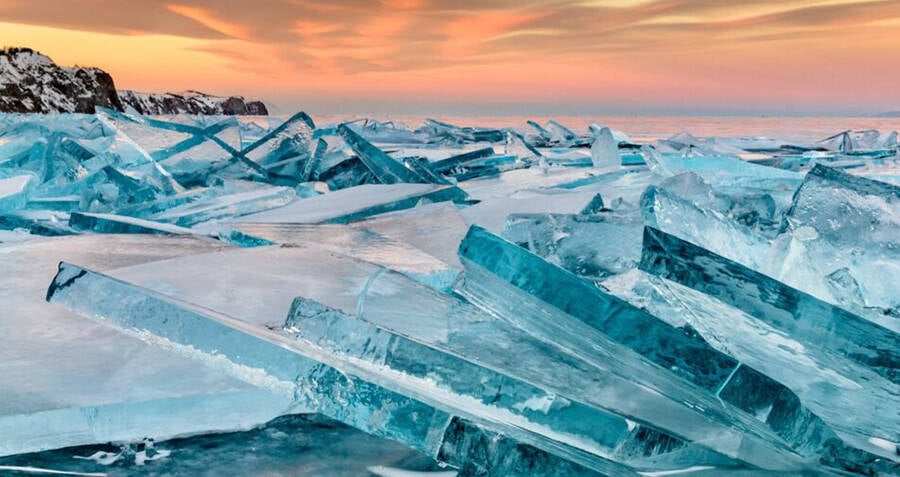
Imagine standing on its shores during winter, witnessing the surface transformed into a magical spectacle of turquoise ice. The transparent shards of ice dance in the sunlight, reflecting the azure hues of the water below. It’s truly a sight to behold – a natural masterpiece that leaves you speechless. This unique phenomenon occurs because of the sheer clarity of the lake’s waters, allowing the light to penetrate and illuminate the ice from within.
Lake Baikal is more than just a visual treat; it’s a haven for biodiversity. Home to a vast array of flora and fauna, it even boasts the Nerpa seal – the only freshwater seal species in the entire world. This lake’s geological activity contributes to its rich ecosystem. Hydrothermal vents dot its depths, releasing minerals and oxygen that fuel thriving marine life.
The World’s Ancient Wonder: Lake Baikal
Lake Baikal’s claims to fame aren’t limited to its beauty and biodiversity. This ancient lake holds a record that truly sets it apart – it’s the oldest freshwater lake on Earth. Geologists estimate its age at a staggering 25 million years, making it older than the Himalayas and even the Amazon rainforest! Over millennia, it has witnessed countless changes to our planet, serving as a living testament to Earth’s history.
Imagine the stories etched into its depths – ancient civilizations rising and falling, ice ages sculpting the landscape, and life evolving in fascinating ways. The lake itself has been shaped by tectonic movements, volcanic activity, and erosion, resulting in its unique topography of deep trenches, rocky shores, and abundant islands. It’s a place where time seems to stand still, allowing you to connect with Earth’s ancient past.
Exploring Lake Baikal is like taking a journey through geological time. Scientists continue to unearth fossils, pollen samples, and other artifacts that shed light on the lake’s history and reveal the evolution of life in this remarkable environment.
Turquoise Waters and Unique Ecosystem
One of the most captivating aspects of Lake Baikal is its mesmerizing turquoise waters. This vibrant hue comes from a fascinating phenomenon that occurs during winter. The lake’s crystal-clear water freezes into large, transparent shards of ice. These shards reflect the sunlight, creating a shimmering, azure spectacle across the entire surface. It truly feels like swimming in a turquoise ice lake!
This unique ecosystem is teeming with life thanks to the lake’s purity and depth. The clear waters allow sunlight to penetrate deep down, nourishing aquatic plants and supporting a diverse array of fish species. Lake Baikal is also home to the Nerpa seal, the only freshwater seal in the world, which finds refuge in its frigid waters. It’s a truly special place where nature has created a delicate balance that sustains an abundance of life.
The lake’s depths hold secrets yet to be unearthed. Scientists continue to explore its vastness, discovering new species and unraveling the complexities of this remarkable ecosystem. From tiny microorganisms to giant fish, Lake Baikal is a testament to the diversity and wonder of our natural world.
 Rainiest Cities in the United States You Should Know
Biodiversity and Geological Activity
Lake Baikal’s immense size and age have allowed for a remarkable diversity of life to flourish within its borders. It’s home to over 2,500 plant species, 1,500 animal species, and thousands of microorganisms – many found nowhere else on Earth! This incredible biodiversity is a result of the lake’s unique conditions, including its depth, clarity, and nutrient-rich waters.
But it’s not just life above water that thrives here. Deep beneath the surface, hydrothermal vents release minerals and oxygen, creating thriving ecosystems teeming with specialized creatures adapted to this extreme environment. These vents are a fascinating example of how geological activity shapes the lake’s biodiversity, providing a unique niche for life to flourish. Imagine this hidden world, where vibrant colors and strange forms exist in perpetual darkness, fueled by geothermal energy.
This interplay between biology and geology makes Lake Baikal a truly exceptional place. The lake serves as a living laboratory, offering scientists invaluable insights into the complex relationships that govern ecosystems on Earth.
Threats to Baikal’s Survival
Despite its remarkable resilience, Lake Baikal faces a growing number of threats that jeopardize its future. Climate change is one of the most pressing concerns, leading to rising water temperatures, declining oxygen levels, and melting ice caps. These changes disrupt the delicate balance of the ecosystem, putting species at risk and impacting water quality.
Another major threat comes from human activities. Overfishing by local communities and businesses puts a strain on fish populations, while weak enforcement of fishing regulations allows unsustainable practices to persist. Pollution from industrial waste disposal and agricultural runoff further contaminate the lake’s pristine waters. It’s a sobering reminder that our actions have a direct impact on this precious environment.
Protecting Lake Baikal requires global cooperation and a commitment to sustainable practices. We must work together to mitigate climate change, enforce stricter fishing regulations, reduce pollution, and promote responsible tourism. The future of this ancient wonder depends on our collective effort to preserve its beauty and biodiversity for generations to come.
Preserving a Natural Treasure
Lake Baikal is more than just a beautiful sight; it’s a vital resource for the planet and a treasure trove of biodiversity. Preserving this unique ecosystem requires a multi-faceted approach that involves local communities, governments, and individuals around the world.
Efforts are underway to establish protected areas surrounding the lake, regulate fishing practices, and reduce pollution from industrial and agricultural sources. Conservation organizations are working with local communities to promote sustainable tourism and educate residents about the importance of protecting their natural heritage. It’s a collaborative effort that recognizes the value of Lake Baikal not just for its beauty but also for its role in regulating global climate patterns and supporting countless species.
By raising awareness, supporting conservation initiatives, and making conscious choices in our daily lives, we can all contribute to safeguarding this precious natural wonder for generations to come. Remember, every small action counts when it comes to protecting our planet’s irreplaceable treasures.