The allure of foreign cultures has captivated the human imagination for centuries. This fascination often manifests in a desire to experience firsthand the beauty and uniqueness of places far removed from our own. China, with its rapidly evolving landscape and growing global influence, has become a fascinating case study in this phenomenon.
In recent years, China has embarked on ambitious projects to recreate iconic destinations from around the world, offering citizens a taste of Western charm and architectural splendor. Perhaps the most striking example is the construction of hallstatt china, a meticulously detailed replica of the picturesque Austrian village of Hallstatt. Unveiled in 2012 in Guangdong province, this billion-dollar project sparked international attention, igniting debates about cultural appropriation, tourism, and the evolving relationship between tradition and modern development.
This essay delves into the motivations behind China’s pursuit of replicating foreign destinations, examining the case of hallstatt in china as a focal point. We will explore the economic implications, the social impact on both the original and replica sites, and the broader cultural significance of these endeavors in a globalized world.
The Billion-Dollar Replica
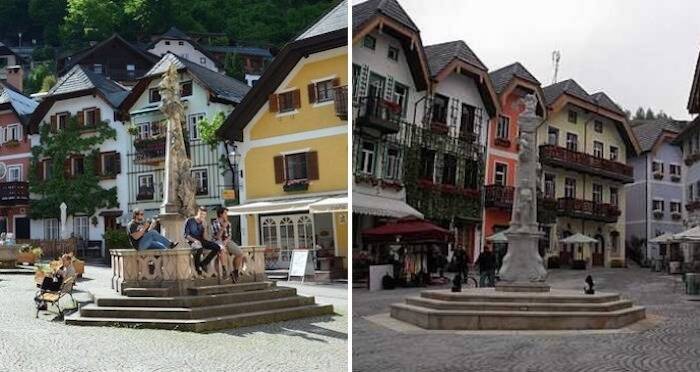
The unveiling of hallstatt china in Guangdong province sent shockwaves across the globe. This meticulously crafted replica of the Austrian village, constructed at a staggering cost of over one billion dollars, aimed to transport Chinese visitors to a quintessential European experience. Every detail was painstakingly recreated, from the charming timber-framed houses and cobblestone streets to the iconic lake and surrounding mountains. Even local businesses, such as cafes and souvenir shops, were replicated, adding an element of authenticity to the experience.
The project’s secrecy only amplified its impact when blueprints were accidentally left behind in Austria, revealing the extent of China’s ambition. This revelation sparked outrage in some quarters, with accusations of cultural appropriation and a blatant disregard for Austrian heritage. However, others viewed it as a testament to China’s economic prowess and its ability to create immersive experiences for its citizens.
The replica town boasts several landmarks that mirror their counterparts in Austria, including the iconic Hallstatt Church, the picturesque lake, and even replicas of local businesses. It also offers a range of activities, from boat rides on the lake to hiking trails through surrounding mountains, further enhancing the illusion of a genuine European getaway.
A Chinese Dream in Hallstatt?
The motivations behind China’s decision to construct a replica of Hallstatt remain somewhat shrouded in mystery. While official statements cite the desire to provide Chinese citizens with a taste of European culture and architecture, speculation abounds about other underlying factors. Some experts suggest that the immense popularity of the South Korean soap opera “Spring Waltz,” filmed in the original Hallstatt, may have played a role in sparking China’s interest. The drama, known for its romantic storyline and picturesque Austrian backdrop, captivated audiences across Asia, potentially fueling a desire to recreate the alluring ambiance within China.
Others point to the economic implications of such projects. By replicating popular tourist destinations, China aims to attract wealthy investors and stimulate domestic tourism, further bolstering its burgeoning economy. The replica hallstatt in china is envisioned as a hub for luxury shopping, dining, and entertainment, offering a high-end experience that caters to the growing affluent class within China. This strategy aligns with the country’s broader vision of establishing itself as a global leader in tourism and hospitality.
The success of such endeavors hinges on fulfilling the aspirations of both domestic and international visitors. The replica Hallstatt seeks to offer a curated experience, transporting tourists to a seemingly idyllic European setting while catering to their desire for novelty and escapism. Only time will tell if this ambitious project can truly capture the essence of its Austrian counterpart and become a successful destination in its own right.
Cultural Appropriation or Tourism Boost?
The creation of hallstatt china ignited a fierce debate about cultural appropriation versus tourism boost. Critics argue that replicating an entire village, down to the tiniest details, disrespects the original culture and its heritage. They contend that it commodifies and sanitizes cultural elements for entertainment purposes, potentially leading to a distorted and superficial understanding of Austrian identity. The concern is that this practice erases the unique context and history behind these cultural elements, reducing them to mere aesthetics to be consumed and replicated.
On the other hand, proponents argue that such projects can serve as a bridge between cultures, fostering greater understanding and appreciation for different traditions. They posit that by experiencing an idealized version of another culture, tourists can develop a deeper respect for its history, art, and architecture. Furthermore, they emphasize the economic benefits these projects bring to both China and the original destination. The increased tourism generated by hallstatt china, for example, has benefited businesses and communities in Austria, highlighting the potential for mutually beneficial cultural exchange.
Ultimately, the question of whether such replicas constitute cultural appropriation or a tourism boost remains complex and multifaceted. It requires careful consideration of the intentions behind these projects, their impact on both the original and replica cultures, and the broader implications for intercultural dialogue and understanding. The debate surrounding hallstatt china serves as a poignant reminder of the need for sensitivity and respect when engaging with diverse cultural expressions in an increasingly interconnected world.
Overcoming Initial Outrage
Initial reactions to the unveiling of hallstatt china were largely negative, with many Austrians expressing outrage over what they perceived as a blatant act of cultural appropriation. Concerns were raised about the authenticity and potential exploitation of their heritage. The project was seen as a disrespectful imitation, lacking the historical context and genuine connection to the land that defined the original Hallstatt.
However, over time, the tide began to turn as both sides began to see the benefits of this unexpected cultural phenomenon. Austrians realized they were experiencing a surge in tourism as visitors flocked to the original village, eager for an authentic taste of what inspired the replica. The Chinese replica, though imperfect, had inadvertently drawn attention to the beauty and allure of Hallstatt, transforming it into an Instagram sensation with thousands of Chinese visitors annually.
This newfound recognition translated into economic benefits for both countries, fostering a sense of shared prosperity despite the initial disagreements. The situation became a prime example of how cultural exchange can be complex and multifaceted, leading to unexpected outcomes that benefit all parties involved when approached with understanding and collaboration.
Reflections on Replication and Tourism
The story of hallstatt china, with its blend of cultural imitation and economic ambition, offers valuable insights into the complex relationship between replication, tourism, and globalized culture. It highlights the growing trend of recreating iconic destinations, driven by a desire to offer accessible experiences to a wider audience while simultaneously tapping into the allure of foreign cultures.
This trend raises important questions about authenticity, cultural sensitivity, and the potential impact on both original and replica sites. While replicas can undoubtedly stimulate tourism and economic growth, they also risk perpetuating stereotypes and simplifying complex cultural realities. It’s crucial to approach such projects with a nuanced understanding of their potential consequences and strive for a balance between offering appealing experiences while respecting the integrity of diverse cultures.
Ultimately, the case of hallstatt in china serves as a reminder that cultural exchange in an increasingly interconnected world requires careful consideration, open dialogue, and a commitment to fostering genuine understanding and respect across borders. It encourages us to reflect on the ethical implications of replicating cultures and to strive for a more inclusive and equitable approach to global tourism.