Have you ever wondered about the lifespan of spiders? While some may think these creatures live only a few years, the reality is quite different. In fact, the story of one remarkable spider reveals a life that spanned over four decades, culminating in a tragic yet fascinating demise.
This account not only sheds light on the longevity of certain spider species but also highlights the harsh realities of nature, where survival is often a battle against numerous threats. Let’s dive deeper into the life and death of the world’s oldest spider and what it signifies in the broader context of longevity and ecological balance.
Understanding the lifespan of spiders
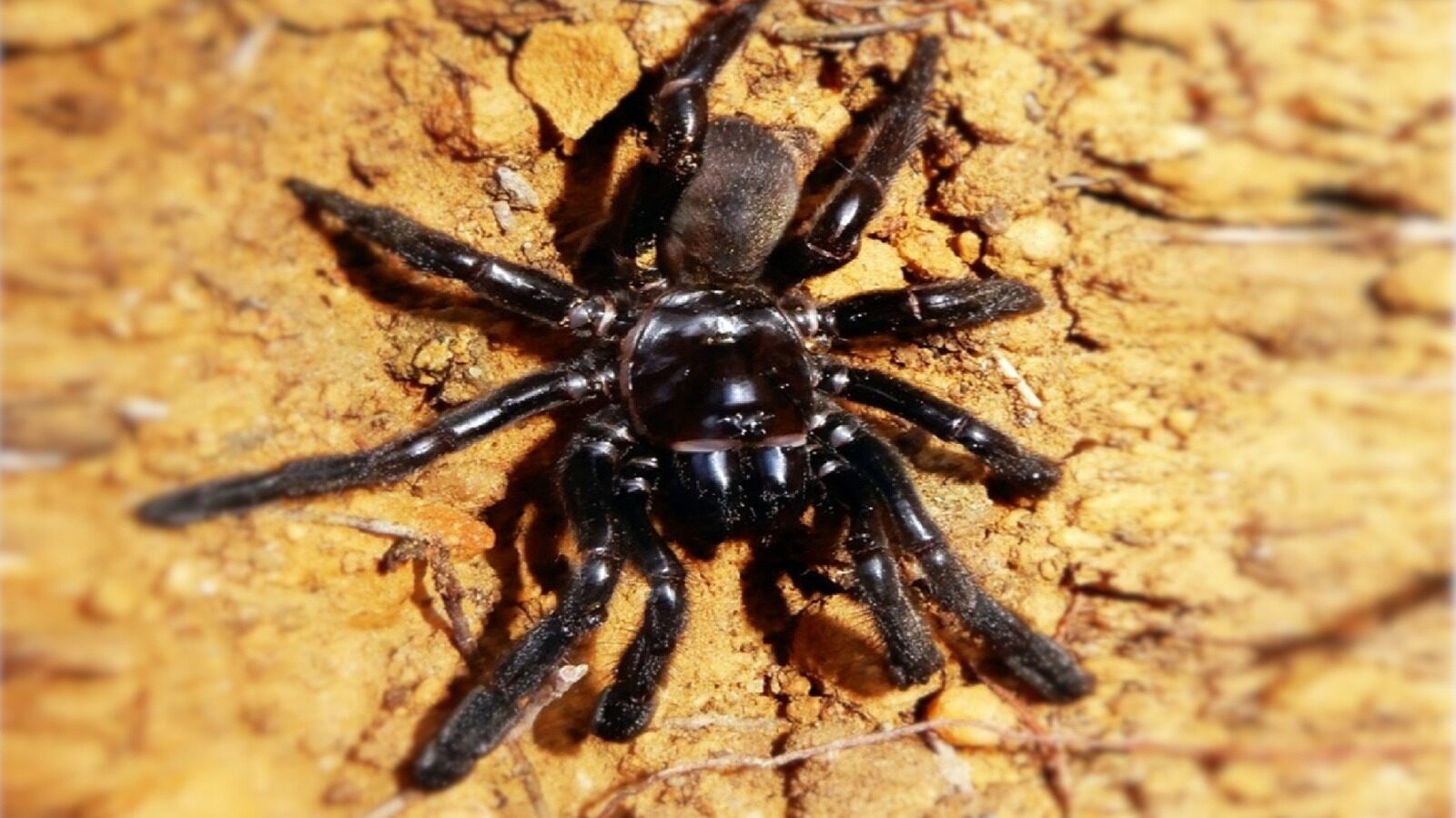
The lifespan of spiders varies significantly across species, ranging from just a few years to several decades. For example, house spiders typically live between 1 to 7 years. However, certain species, like the trapdoor spider, can exceed this average dramatically. The oldest-known spider, a female trapdoor spider, lived an astonishing 43 years before meeting a tragic fate.
The longevity of spiders can be attributed to various factors, including environmental conditions, dietary habits, and predation pressures. In the wild, many spiders face numerous dangers that can cut their lives short:
- Predators: Birds, reptiles, and other arachnids often prey on spiders.
- Climate extremes: Harsh weather conditions can affect their survival rates.
- Competition: Female spiders, like the trapdoor spider, often contend with other spiders for resources and territory.
- Habitat destruction: Urbanization and agricultural expansion can limit their living spaces.
Despite these challenges, some spiders have evolved strategies to extend their lifespans, including burrowing for protection and specialized hunting techniques.
The remarkable life of Number 16
Number 16, a female trapdoor spider of the species Gaius villosus, was part of a long-term study conducted by Dr. Barbara York Main at the North Bungulla Reserve in Australia. This groundbreaking research began in 1974, aimed at understanding the ecology of the region’s spider population. Surprisingly, Number 16 not only survived the initial 20-year study period but continued to thrive for an additional 23 years.
Dr. York Main visited Number 16’s burrow twice a year, meticulously documenting her health and lifestyle. During the course of the study, she became a notable figure in zoology, recognized for her dedication to studying the biodiversity of Australia’s wheatbelt region, which has been increasingly threatened by climate change and human activity.
The life of Number 16 is emblematic of the resilience found in nature. Despite her long lifespan, she was not immune to the dangers posed by her environment.
A gruesome end: The role of parasitic wasps
Tragically, the end of Number 16’s life was not a peaceful one. In 2016, researchers discovered that she had succumbed to a parasitic wasp, a fate that is both gruesome and fascinating. This wasp species is known for its method of reproduction, which involves laying eggs on or inside a host, in this case, the spider.
 Uninhabited Islands: Exploring Worlds Without People
Upon investigation, scientists concluded that Number 16 likely did not die of old age but was instead parasitized. The process unfolds in several chilling stages:
- The wasp injects neurotoxins into the spider, incapacitating it.
- Eggs are laid on the spider’s body, or in some cases, inside it.
- As the eggs hatch, the larvae consume the spider from the inside out.
- To further control their host, wasp larvae may alter the spider’s behavior, compelling it to create a web that serves as a nursery.
This horrifying cycle demonstrates the brutal realities of survival in the animal kingdom and serves as a reminder that even the oldest and seemingly most resilient creatures are vulnerable to the intricacies of ecological relationships.
Implications for biodiversity and conservation
The story of Number 16 and her tragic demise underscores the critical importance of biodiversity in ecosystems. As species struggle to adapt to rapidly changing environments, the loss of even a single organism can have far-reaching implications. Dr. Barbara York Main’s work not only shed light on the life of a unique spider but also highlighted the broader consequences of habitat loss and climate change.
Conservation efforts must focus on preserving ecosystems to ensure that both well-known and obscure species can thrive. Some key strategies include:
- Habitat preservation: Protecting natural habitats from urban development and agriculture.
- Research and education: Promoting awareness of local biodiversity and its significance.
- Restoration projects: Supporting initiatives aimed at restoring damaged ecosystems.
By understanding the life cycles and interactions of species like Number 16, we can better appreciate the delicate balance of nature and the vital role that each organism plays.
The legacy of Number 16 and Dr. Barbara York Main
Though both Number 16 and Dr. Barbara York Main have passed away, their legacies endure. Their contributions to our understanding of spider ecology and the challenges faced by various species are invaluable. The insights gained from their story can inform future conservation efforts and inspire new generations of scientists to continue exploring the complexities of our planet’s ecosystems.
As we reflect on the life of this remarkable spider, we are reminded of the resilience and fragility of life, urging us to take action to protect the biodiversity that remains. The story of Number 16 is not just a tale of survival; it is a call to recognize and preserve the intricate web of life that sustains us all.