For decades, the quest to harness the power of nuclear fusion has captivated scientists and engineers around the world. As we stand on the brink of a major breakthrough, the International Thermonuclear Experimental Reactor (ITER) project in France represents a monumental step toward realizing this dream. This endeavor is not just about producing energy; it’s about mimicking the very processes that fuel our sun.
As we delve into the details of the ITER project, we’ll explore the significance of its groundbreaking design, the international cooperation involved, and the potential implications for energy generation in the years to come.
Significance of the ITER Project in the Fusion Energy Landscape
The ITER project is heralded as the world’s largest nuclear fusion experiment, aiming to replicate the fusion processes that occur within stars. Initiated in 2006, the project has brought together 35 nations, including members of the European Union, the United States, Russia, China, India, Japan, and South Korea. This collaborative effort underscores the global recognition of nuclear fusion’s potential as a sustainable energy source.
- Collaboration: Over 35 countries are contributing to the ITER project, pooling resources and expertise.
- Funding: The estimated cost of the ITER project is around €20 billion, showcasing the scale of investment in fusion technology.
- Research: It is anticipated that ITER will produce data and insights that will benefit future fusion reactors.
The aim of ITER is not just to achieve fusion but to provide a platform for researchers to study the behavior of plasma and test advanced materials that can withstand the extreme conditions of a fusion reactor. The project is designed to pave the way for future commercial fusion power plants.
What Makes the ITER Reactor Unique?
The ITER tokamak is distinguished by its size and design. Unlike previous fusion reactors, the ITER will feature a vacuum chamber that is five times larger than the current largest operational tokamak. This increase in size is vital for containing the high-temperature plasma necessary for fusion reactions.
- Vacuum Chamber: The chamber’s design is critical for maintaining the conditions required for sustained fusion.
- Component Weight: The reactor will comprise over one million components, with a total weight exceeding 25,000 tons.
- Engineering Challenges: Constructing a reactor of this scale presents unprecedented engineering challenges in terms of design, materials, and assembly.
The scale of the ITER project is not just a matter of size. The design facilitates a unique environment that allows for the containment of plasma at temperatures exceeding 150 million degrees Celsius, which is crucial for initiating fusion.
The Engineering Marvel: Assembly of the ITER Tokamak
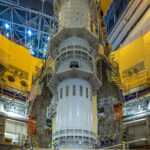
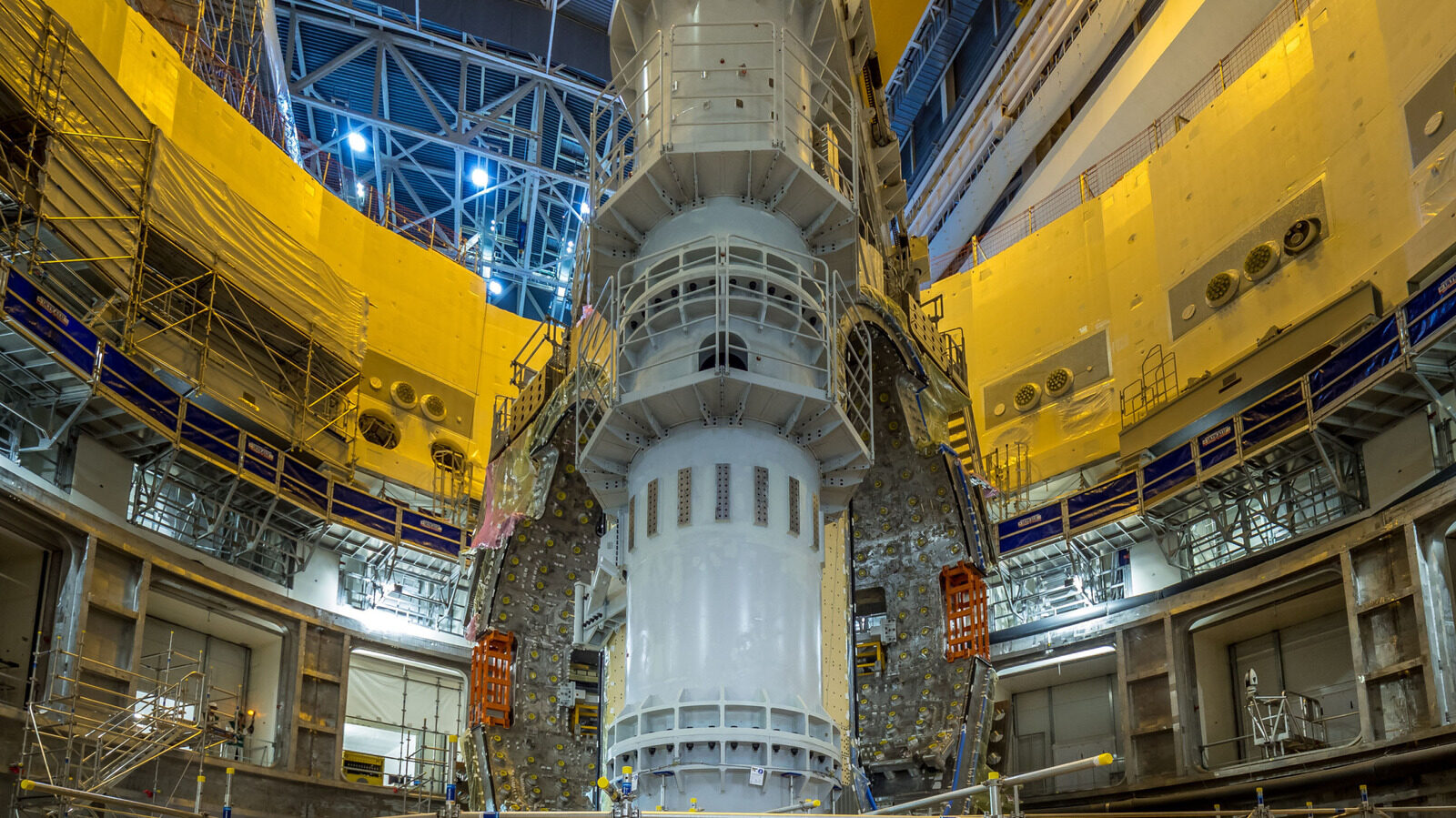
As of September 2025, the assembly of the ITER project’s most critical component—the vacuum chamber—has commenced. This phase marks a significant achievement in a project that has been years in the making. The assembly involves welding together nine massive sectors made of high-grade steel, each weighing approximately 485 tons and produced in various countries, including South Korea and Europe.
Westinghouse, a company traditionally involved in nuclear fission projects, has taken on the task of assembling these components at the ITER site in Saint-Paul-lès-Durance, France.
- Component Sourcing: Sectors were manufactured in plants across multiple countries, highlighting international collaboration.
- Assembly Process: The complexity of the assembly process requires meticulous planning and execution.
- Logistical Challenges: Transporting components from different parts of the world to the assembly site presents unique logistical challenges.
The Future of Energy: Potential Impact of ITER
The potential impact of ITER on the global energy landscape is significant. If successful, it will not only demonstrate that fusion can be achieved but also surpass current energy output records. The project is expected to consume about 50 megawatts to heat the plasma but aims to generate around 500 megawatts of fusion power. This tenfold increase could revolutionize how we think about energy generation.
Currently, no existing tokamak has achieved a net positive energy output, making ITER’s goals particularly ambitious. The successful operation of the ITER tokamak would mark a pivotal moment in energy generation history.
- Sustainable Energy: Fusion offers the promise of a nearly limitless and clean energy source.
- Environmental Benefits: Unlike fossil fuels, fusion produces minimal waste and has a significantly lower environmental impact.
- Energy Independence: Fusion energy could provide countries with a means to achieve energy independence, reducing reliance on fossil fuel imports.
Challenges Ahead: The Path to Commercial Fusion
While the ITER project represents a monumental leap forward, it is essential to acknowledge the challenges that lie ahead. Achieving sustained nuclear fusion requires not only advanced engineering but also innovative scientific breakthroughs. Researchers must overcome several hurdles, including:
- Plasma Stability: Maintaining stable plasma at extreme temperatures is crucial for sustained fusion reactions.
- Material Durability: Developing materials that can withstand the harsh conditions of a fusion reactor is essential.
- Regulatory Frameworks: Establishing safety and regulatory frameworks for fusion energy is critical for public acceptance.
Comparison with Other Fusion Projects
ITER is not the only fusion project making headlines. Other notable tokamaks, such as China’s EAST reactor, have made significant strides in fusion research. EAST recently achieved a record by containing plasma for over 1,000 seconds, showcasing advancements in fusion technology.
| Project | Country | Record Plasma Duration |
|---|---|---|
| ITER | France | Yet to be determined |
| EAST | China | 1,000 seconds |
| SPARC | USA | Planned for 2025 |
As these projects progress, the global scientific community is keenly watching to see which will achieve a sustainable fusion reaction first.
The Vision for a Sustainable Energy Future
The vision of harnessing nuclear fusion as a viable energy source is closer than ever with projects like ITER. As we continue to make strides in understanding and controlling fusion reactions, the potential for clean, abundant energy grows. The implications for climate change mitigation, energy security, and economic stability are profound, making the success of the ITER project a pivotal moment in the evolution of energy generation.
The journey to fusion energy is not just about engineering challenges; it’s a testament to human ingenuity and collaboration. As we navigate this fascinating frontier, the ITER project stands as a beacon of hope for a sustainable energy future.