As we delve into the fascinating world of butterflies, one species stands out not only for its impressive size but also for its alarming plight. The Queen Alexandra’s birdwing, the largest butterfly in the world, is facing critical challenges that threaten its survival. This article explores the dual threats of habitat loss and illegal trade that endanger this magnificent creature.
Understanding the Queen Alexandra’s birdwing
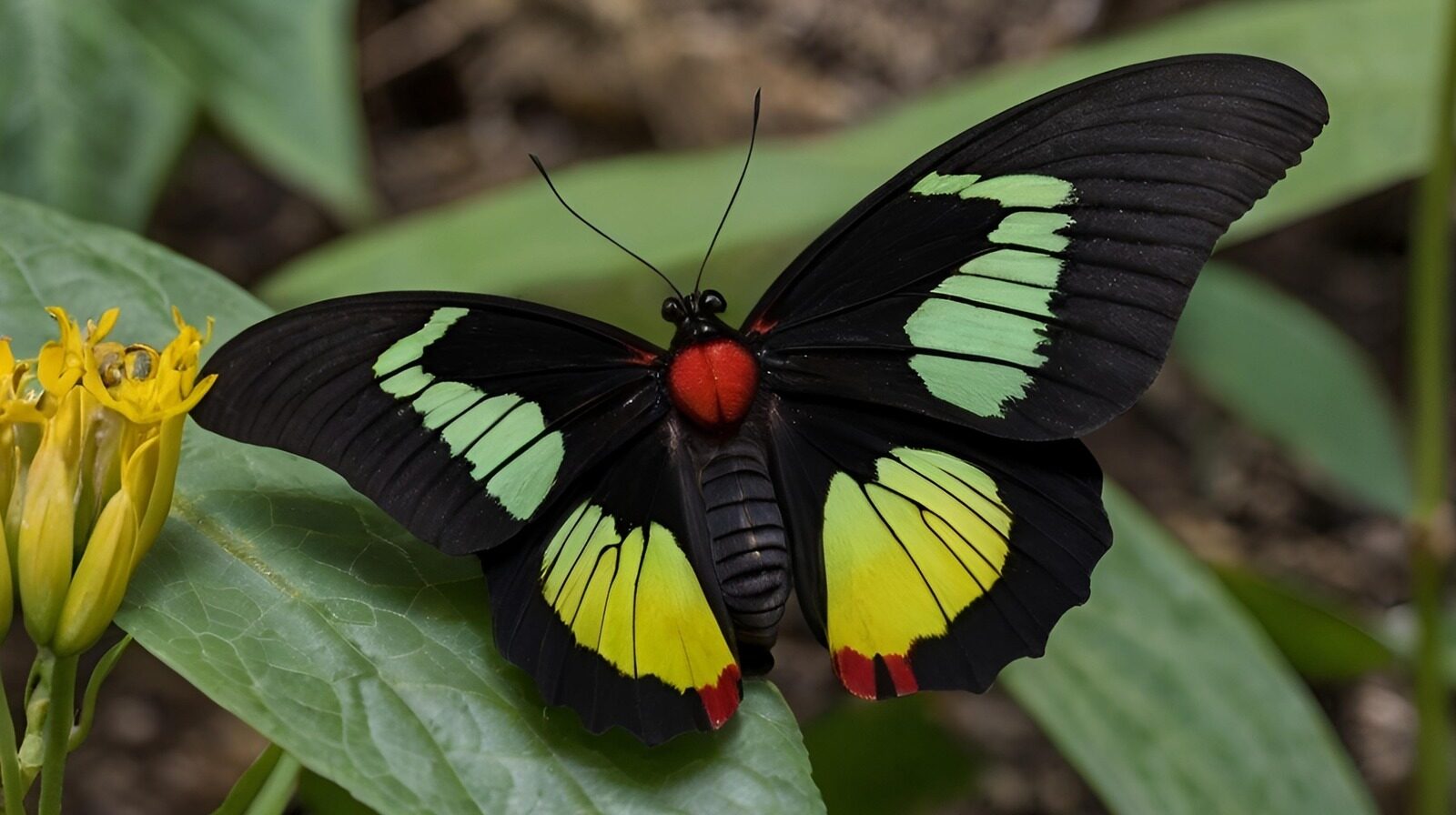
The Queen Alexandra’s birdwing, scientifically known as Ornithoptera alexandrae, is a remarkable species native to Papua New Guinea. Discovered in 1906 by British explorer Albert Stewart Meek, this butterfly is named in honor of Queen Alexandra, the wife of King Edward VII of the United Kingdom. The female of the species boasts a staggering wingspan of approximately 10.6 inches, making it the largest butterfly in the world.
Characteristic of its beauty are the striking iridescent blue, green, and yellow hues of the male, contrasted with the more subdued brown and yellow markings of the female. These striking colors not only captivate butterfly enthusiasts but also play a crucial role in mating and camouflage.
However, the Queen Alexandra’s birdwing is not just any butterfly; it is also one of the rarest, found in only two specific regions: the Popondetta Plain and the rainforest of the Managalas Plateau in Papua New Guinea. Unfortunately, the combination of a limited habitat and increasing pressures from human activities places this species at significant risk.
Habitat loss and its impact on the Queen Alexandra’s birdwing
Habitat loss is one of the most pressing issues facing the Queen Alexandra’s birdwing. Once thriving in the lush rainforests of Oro Province, their habitat has drastically shrunk due to various human activities. The following factors contribute to this habitat degradation:
- Deforestation: Logging and land clearing for agriculture have led to significant loss of rainforest cover.
- Agricultural expansion: The establishment of oil palm plantations and cocoa farms has encroached upon their natural habitat.
- Volcanic activity: The eruption of Mount Lamington in 1951 destroyed extensive areas of suitable habitat.
The butterfly relies on specific food plants, primarily vines from the genus Aristolochia, for reproduction. The destruction of these plants due to habitat loss severely impacts the butterfly’s ability to thrive and reproduce.
The International Union for Conservation of Nature (IUCN) has recognized the urgency of the situation by listing the Queen Alexandra’s birdwing as endangered. A 2018 assessment noted that the species had a “very restricted” habitat, occupying an area of merely 8,710 square kilometers (3,363 square miles) and existing within just 128 to 140 square kilometers (50 to 54 square miles).
The illegal trade of Queen Alexandra’s birdwings
In addition to habitat loss, the Queen Alexandra’s birdwing faces another dire threat: illegal trade. This butterfly is highly sought after by collectors, making it a lucrative target for illicit activities. The Convention on International Trade in Endangered Species (CITES) was established to combat this issue, regulating the trade of endangered species and prohibiting the collection of Queen Alexandra’s birdwing since 1968.
Despite these protections, a thriving black market exists. Notable incidents include:
 Uninhabited Islands: Exploring Worlds Without People
- In 2001, Canadian entomologist Gilles Deslisle was fined $50,000 CAD for illegally importing six specimens concealed in a book.
- In 2007, U.S. authorities apprehended Hisayoshi Kojima, a notorious butterfly smuggler, who had made hundreds of thousands of dollars selling the species for up to $10,000 per specimen.
According to estimates, the illegal wildlife trade is worth between $10 billion and $15 billion annually. In her book, “Winged Obsession: Chasing the Illegal Trade,” author Jessica Speart estimates the global illegal butterfly trade is around $200 million a year.
Conservation efforts and the future of the Queen Alexandra’s birdwing
To combat these threats, various conservation efforts are underway. These include:
- Habitat restoration: Initiatives aimed at reforesting areas and restoring the natural habitat of the Queen Alexandra’s birdwing.
- Public awareness campaigns: Educating local communities about the importance of preserving biodiversity and protecting endangered species.
- Stricter enforcement of wildlife protection laws: Enhancing penalties for illegal trading and improving monitoring of wildlife trafficking.
Collaboration between governments, non-profit organizations, and local communities is essential to ensure the survival of this species. While challenges remain, dedicated efforts can make a significant difference in protecting the Queen Alexandra’s birdwing for future generations.
The significance of butterflies in ecosystems
Butterflies play a vital role in our ecosystems, serving as pollinators and indicators of environmental health. Their decline can signal broader ecological issues, making their conservation crucial not only for their species but for the health of their habitats as well. Protecting butterflies like the Queen Alexandra’s birdwing contributes to the overall balance of biodiversity.
As we strive to preserve these incredible creatures, understanding their needs and threats becomes paramount. The Queen Alexandra’s birdwing stands as a testament to the beauty of nature and the urgent need for conservation efforts globally.