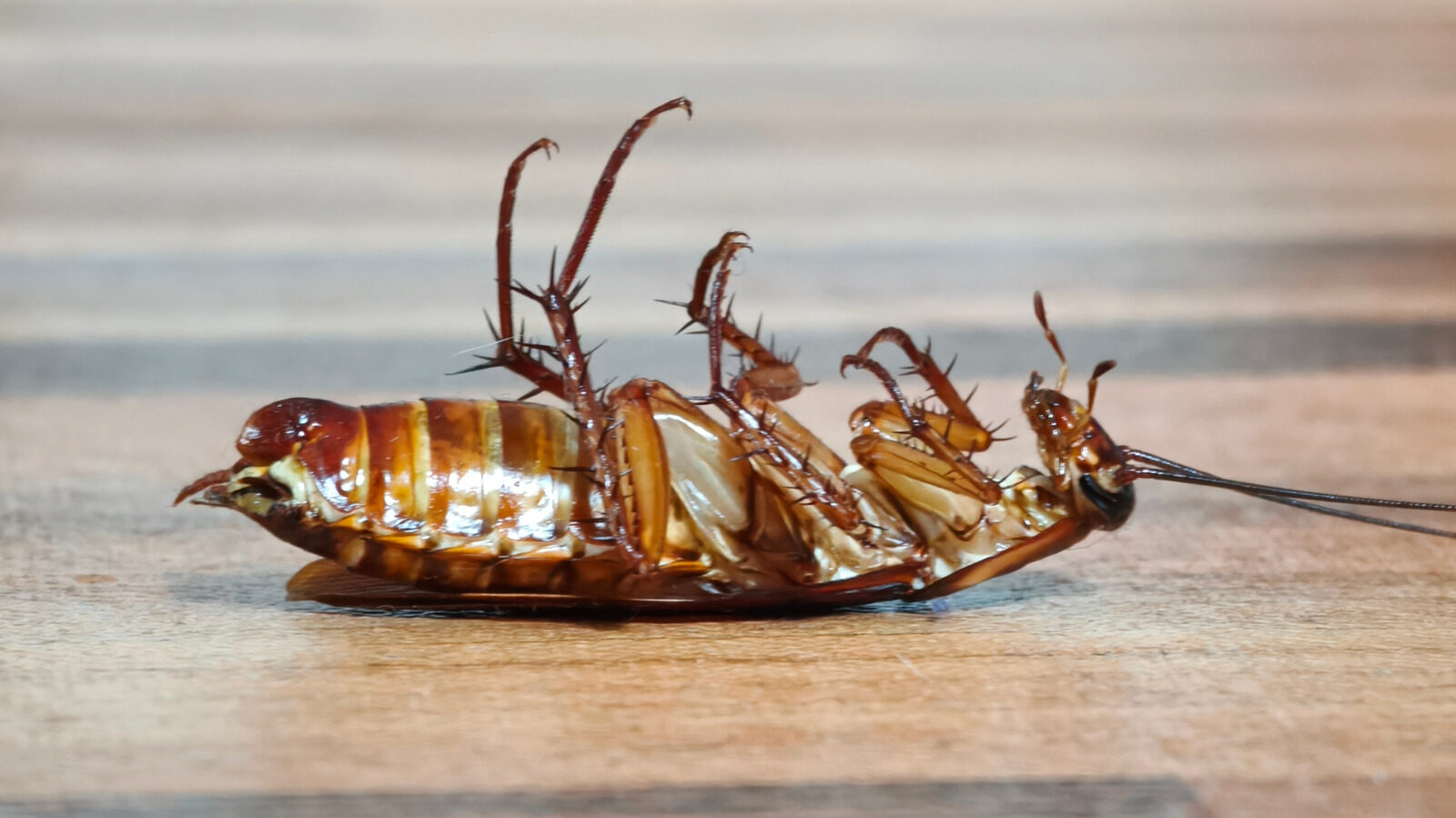
Cockroaches are one of the most reviled pests in homes worldwide. While our instinct may drive us to squash these hardy insects at the first sight, doing so could have unintended consequences. Understanding the biology of cockroaches and the implications of killing them can help us address infestations more effectively and safely.
Why squashing cockroaches can be harmful
Cockroaches are not only resilient creatures; they’re also carriers of various pathogens that can pose significant health risks. When crushed, they can release harmful bacteria and viruses into the environment. It’s crucial to grasp the reasons behind this phenomenon to adopt better pest control methods.
These insects thrive in warm, damp environments, often congregating in homes where they have easy access to food and water. While they may seem unsightly, the real danger lies in what they carry. When squashed, cockroaches can spread particles that contain:
- Bacteria such as E. coli and salmonella
- Viruses capable of causing illness
- Unicellular parasites, including protozoa
The contamination extends beyond just the immediate area. These microorganisms can linger on surfaces long after a cockroach has been squashed, making it easy for families to unknowingly track these pathogens throughout their homes.
Health risks associated with cockroach infestations
Living with cockroaches poses more than just an aesthetic issue. Their presence can trigger various health problems, particularly for vulnerable groups.
Some of the health risks include:
- Allergic reactions: Cockroach droppings and body parts can exacerbate asthma symptoms and trigger allergies in sensitive individuals.
- Infectious diseases: The bacteria they carry can lead to food poisoning and gastrointestinal diseases.
- Contamination of food: Cockroaches often infest kitchens and pantries, putting food at risk of contamination.
These risks highlight the importance of taking proactive measures to manage cockroach populations rather than resorting to squashing them.
Effective methods for managing cockroach infestations
Rather than smashing cockroaches, there are safer and more effective strategies to handle infestations. Here are some approaches to consider:
- Gel baits: These are effective because they allow cockroaches to take poison back to their nests, ultimately killing more of the population.
- Sticky traps: These traps capture roaches without the risk of spreading harmful bacteria.
- Sealing entry points: Identify and seal cracks and crevices in your home to prevent cockroaches from entering.
- Regular cleaning: Maintain a clean environment by ensuring food is stored in airtight containers and cleaning up spills promptly.
Employing these methods not only minimizes health risks but also contributes to effective long-term pest control.
The science behind cockroach resilience
Cockroaches are often described as resilient creatures, capable of surviving in a variety of conditions. This resilience is attributed to their unique biology and evolutionary adaptations. Here are some remarkable facts about cockroaches:
- Long evolutionary history: Cockroaches have existed for over 300 million years, adapting to various environments.
- Genetic adaptability: Studies have identified genes that enable them to regenerate limbs and produce antibiotics, aiding in their survival.
- Remarkable scavengers: With a highly developed sense of smell and taste, cockroaches can thrive in environments with minimal resources.
This resilience underscores the necessity for effective pest management, as simple measures like squashing them can lead to more harm than good.
Alternative approaches to cockroach control
For those seeking to manage cockroaches without resorting to harmful methods, there are several alternative approaches available. Here are some effective strategies:
- Boric acid: A natural pesticide that is effective against cockroaches when ingested.
- Essential oils: Certain oils, like peppermint and tea tree oil, can deter cockroaches when used as a spray.
- Professional pest control: Engaging a pest control service can provide tailored solutions for severe infestations.
These alternatives not only help in controlling the pest population but also reduce health risks associated with traditional methods.
The importance of preventative measures
Prevention is the best approach when it comes to cockroach infestations. Implementing preventative measures can significantly reduce the chances of an infestation occurring in the first place.
- Regular inspections: Check for signs of cockroaches, especially in kitchens and bathrooms.
- Food storage: Store food in sealed containers and avoid leaving pet food out overnight.
- Moisture control: Fix leaks and reduce humidity levels in your home to create an environment less favorable to cockroaches.
Adopting these practices can go a long way in safeguarding your home from these resilient pests.