Finding a brown recluse spider in your home can be unsettling, and for good reason. This species is one of the few in the United States that poses a genuine threat to human health. Understanding its characteristics, behaviors, and the potential dangers associated with its presence can help you take necessary precautions. Let’s delve deeper into the world of the brown recluse and learn why it’s best to avoid these spiders.
Understanding the brown recluse spider
The brown recluse spider, scientifically known as Loxosceles reclusa, is recognized for its distinctive appearance and potentially harmful bite. Typically, it features a violin-shaped marking on its back, which serves as a key identifier. This spider’s body is usually light brown, and its legs are often darker, leading to its common name.
Though it only measures about 1 inch in total length, including its legs, its small size and reclusive nature allow it to go unnoticed in many homes. Common hiding spots include:
- Behind furniture
- In closets
- Underneath sinks
- In basements and attics
- Among piles of clothing or shoes
Understanding where they typically reside is crucial for homeowners who want to minimize the chance of an encounter. Their preference for dark, undisturbed areas makes them less likely to be seen but more likely to surprise those who inadvertently come across them.
Geographic distribution of the brown recluse
The brown recluse spider is primarily found in the central and southern regions of the United States. Its established habitats span across 16 states, including:
- Alabama
- Arkansas
- Georgia
- Illinois
- Indiana
- Iowa
- Kansas
- Kentucky
- Louisiana
- Mississippi
- Missouri
- Nebraska
- Ohio
- Oklahoma
- Tennessee
- Texas
While it’s more common in these states, brown recluse sightings can occur in neighboring areas. Homeowners in these regions should remain vigilant and informed about the presence of this spider.
Identifying a brown recluse spider
Being able to identify a brown recluse spider is essential for prevention and safety. Here are some key characteristics to look for:
- Color: Light brown to yellow-brown
- Size: Approximately 1 inch long (including legs)
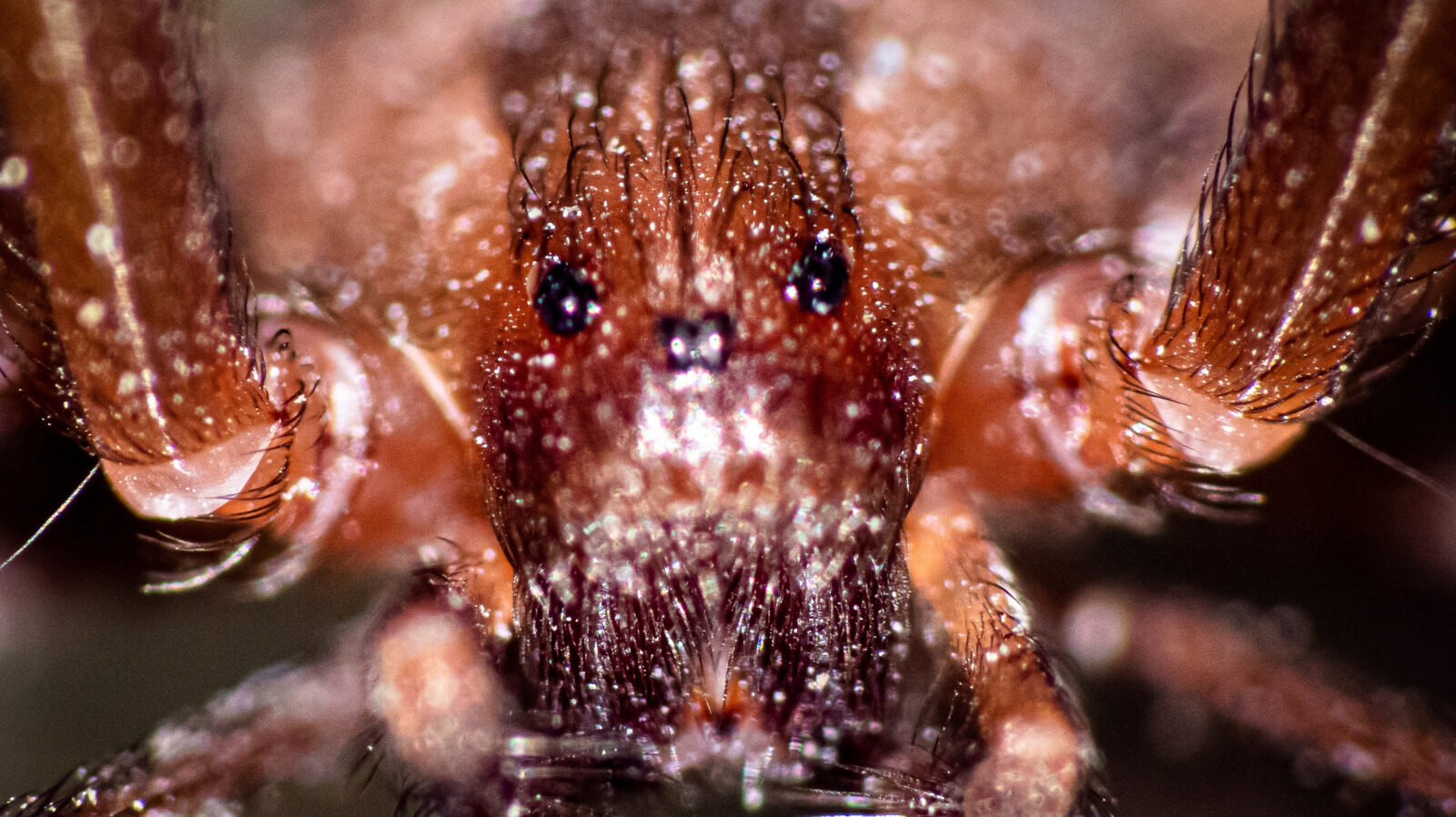
- Eyes:</ Six instead of the usual eight, arranged in pairs
- Body shape: Violin-shaped marking on the cephalothorax
- Legs: Long and slender
By familiarizing yourself with these traits, you can better protect yourself and your home from an unwanted invasion.
Potential health risks associated with brown recluse bites
The primary concern with brown recluse spiders is their venomous bite. While not all bites result in severe reactions, it’s essential to understand the possible health risks involved. Here are the symptoms and potential complications:
 Uninhabited Islands: Exploring Worlds Without People
- Local reactions: Redness, swelling, and pain at the bite site
- Necrosis: Tissue death surrounding the bite, leading to open sores
- Severe cases:</ May result in hemolytic anemia or acute kidney injury
- Delayed healing: Wounds may take months to heal
Interestingly, according to research, only about 10% of brown recluse bites result in serious symptoms. Most individuals may only experience minor reactions such as a small red bump that doesn’t require treatment. However, vulnerable populations, including children and the elderly, may face heightened risks.
Behavioral characteristics of the brown recluse
Understanding the behavior of the brown recluse can help demystify its presence in homes. These spiders are not aggressive and will usually only bite when they feel threatened. Their primary tendencies include:
- Reclusive nature: They prefer to stay hidden and avoid contact with humans.
- Nocturnal activity: Brown recluses are primarily active at night.
- Web-building: Unlike many other spider species, they create irregular webs.
Due to their reclusive habits, it’s crucial to exercise caution when moving items that have been undisturbed for long periods, such as storage boxes or furniture.
Preventing brown recluse spider encounters
To keep brown recluse spiders at bay, homeowners can take several preventive measures:
- Regularly clean and declutter areas where spiders may hide.
- Seal cracks and gaps in walls, windows, and doors to reduce entry points.
- Store clothing and shoes in sealed containers.
- Maintain a tidy yard and reduce debris around the home.
- Use proper lighting in dark areas, such as basements, attics, and garages.
By adopting these practices, residents can significantly minimize the likelihood of encountering these potentially dangerous spiders.
What to do if you suspect a brown recluse bite
If you suspect that you’ve been bitten by a brown recluse spider, it’s important to take action promptly. Here’s a guide on what to do:
- Wash the bite area with soap and water.
- Apply a cool compress to reduce swelling.
- Monitor for any severe reactions, including spreading redness or increased pain.
- Seek medical attention if symptoms worsen or if you experience any severe reactions.
Acting quickly can help mitigate any complications and ensure proper care.