Dinosaurs have captured the imagination of many, yet their story is often simplified to the dramatic extinction event that wiped them out. However, the narrative is richer and more complex than a singular meteor impact. Among the most fascinating chapters is the evolution of the sauropodomorphs, a group of plant-eating dinosaurs that thrived due to earlier mass extinction events. Understanding their rise not only sheds light on the resilience of life but also on the intricate dynamics of prehistoric ecosystems.
At the heart of this story lies the End-Triassic extinction, a pivotal event that reshaped the course of dinosaur evolution. This article delves into how these colossal creatures emerged victorious from extinction, exploring their morphological adaptations, dietary habits, and the ecological niches they filled during the Jurassic period.
The impact of mass extinction on dinosaur evolution
The End-Triassic extinction, which occurred around 200 million years ago, stands as one of the five major mass extinction events in Earth’s history. This catastrophic event wiped out approximately 76% of all species, paving the way for the rise of the dinosaurs. While the cause of this extinction is still debated, factors such as volcanic eruptions, climate change, and asteroid impacts are often cited.
In the aftermath of this extinction, ecological niches that were once filled by various species became vacant. This created an opportunity for dinosaurs, particularly the sauropodomorphs, to evolve and diversify. Key characteristics that contributed to their success include:
- Quadrupedal locomotion: Walking on four legs allowed these dinosaurs to support larger body sizes.
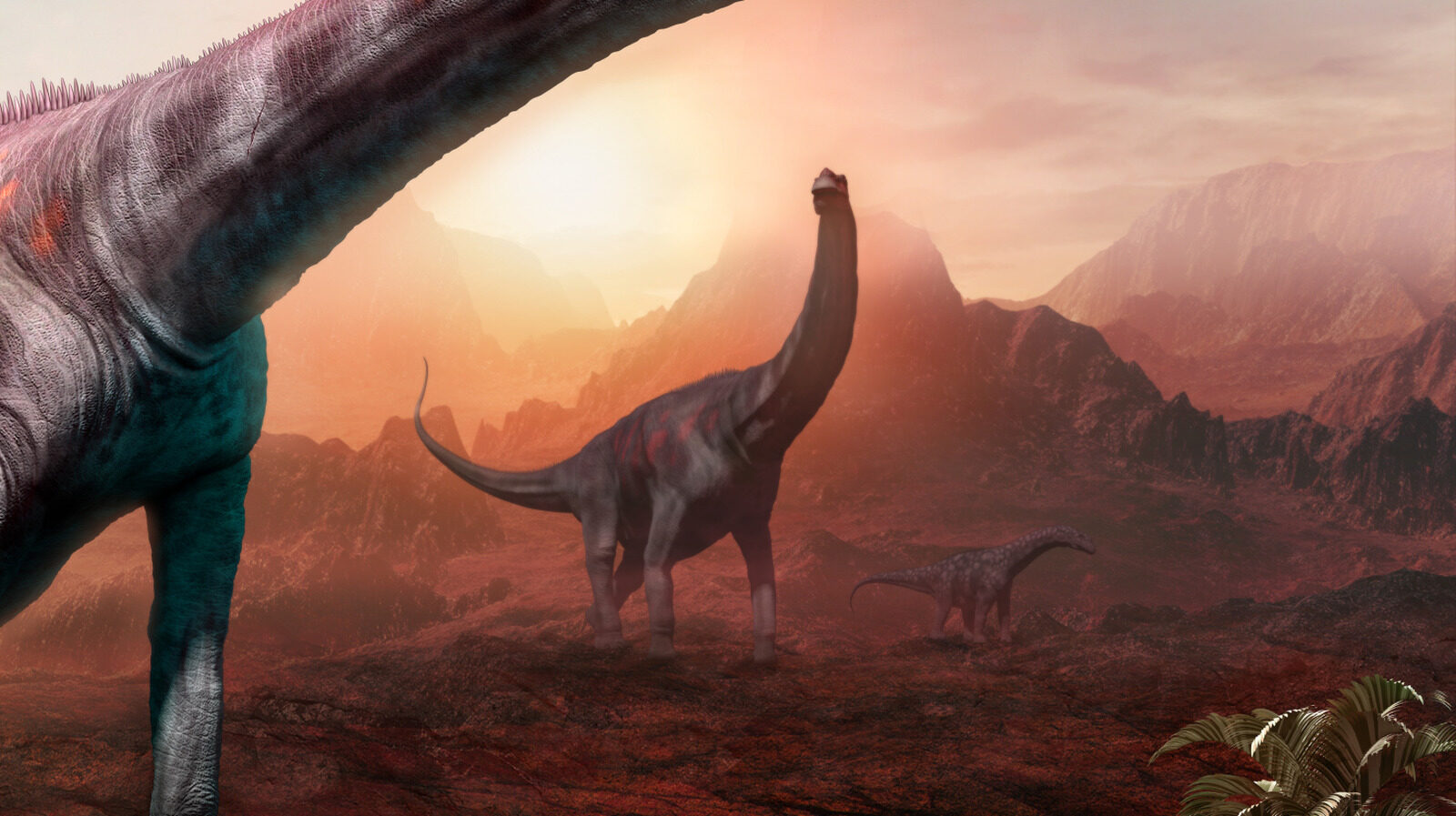
- Long necks: Their elongated necks enabled them to reach high vegetation, accessing food unavailable to other herbivores.
- Lightweight bones: This adaptation facilitated the development of massive bodies without compromising mobility.
- Specialized digestive systems: Their stomachs were capable of breaking down tough plant material, maximizing nutrient absorption.
The morphological advantages of sauropodomorphs
A study published in 2021 by researchers from Argentina examined the evolution of early sauropodomorphs and their adaptations following the End-Triassic extinction. The paper highlighted that, despite the immense diversity of sauropods that emerged later, their fundamental body plan remained remarkably consistent.
Key findings from the research revealed:
- The early sauropodomorphs had already developed the basic features that would define their descendants.
- Post-extinction species exhibited only subtle variations in body structure, indicating a strong evolutionary foundation.
- Some groups, such as the gravisaurians, thrived due to a lack of competition, allowing them to dominate the Jurassic landscape.
Dietary adaptations that fueled success
The success of the sauropodomorphs can largely be attributed to their dietary strategies. With their immense size, these dinosaurs could exploit resources that were largely untapped by other herbivores of the time. Their feeding habits included:
- Accessing high foliage: Long necks allowed them to forage on the treetops, where competition for food was minimal.
- Eating diverse plant materials: They consumed a wide range of vegetation, including leaves, needles, and even tough conifer shoots.
- Efficient digestion: Their digestive systems were adapted to extract nutrients from fibrous plants, which other species found challenging to digest.
This adaptability provided them with a significant advantage, especially during periods of ecological upheaval when food sources became scarce.
Evolutionary resilience in the face of extinction
Following the End-Triassic extinction, the earth faced another extinction phase known as the Toarcian Stage, approximately 20 million years later. This smaller extinction further reduced competition, particularly among sauropodomorphs. The result was a more concentrated lineage of sauropods that would go on to thrive throughout the Jurassic period.
 Albert Einstein Predicted This Unique Phenomenon We Can See Now
While the sauropod lineage may have faced challenges, their survival strategies included:
- Size as protection: Their massive stature deterred many potential predators.
- Herding behavior: Many species exhibited social behaviors that likely provided safety in numbers for their young.
- Rapid growth rates: Their ability to grow quickly allowed them to reach maturity faster, increasing their reproductive success.
Diversity within the sauropod family
Despite their shared characteristics, the sauropodomorphs encompassed a wide range of species, each adapted to different ecological niches. Paleontologists have identified over 250 distinct species of sauropods. Notable examples include:
- Brachiosaurus: Known for its towering height and long neck, it was an iconic herbivore of the Jurassic.
- Patagotitan: Currently considered the largest dinosaur ever discovered, it exemplifies the extremes of sauropod evolution.
- Diplodocus: With its long tail and neck, it was well-adapted for browsing on low-lying vegetation.
These variations illustrate the adaptability of sauropods, enabling them to thrive in diverse environments across the globe.
Conclusion: The legacy of sauropodomorphs in the dinosaur kingdom
The rise of sauropodomorphs from the ashes of mass extinction events underscores the resilience of life on Earth. As dominant herbivores of the Jurassic period, they exemplified the power of evolutionary adaptations and ecological opportunities. Through their unique features and innovative survival strategies, they not only thrived during their time but also left a lasting legacy in the fossil record, shaping our understanding of dinosaur diversity and evolution.