

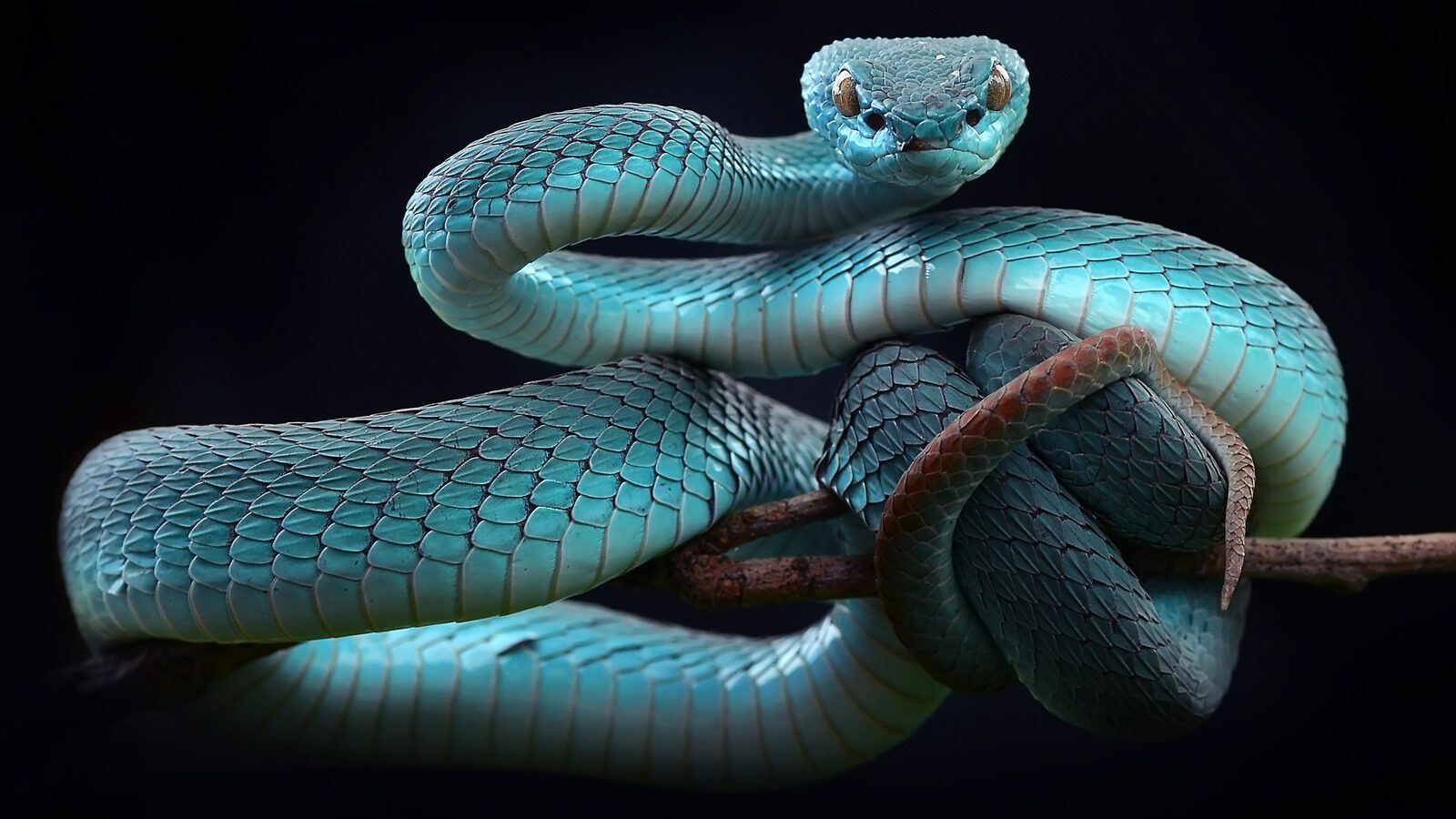
Have you ever heard the chilling tales of snakes emerging from toilet bowls? While they sound like urban legends, the reality is that these slithering reptiles can indeed find their way into your bathroom. Understanding how and why snakes end up in such unexpected places can help you stay informed and prepared. Let’s explore the fascinating reasons behind this phenomenon.
Understanding how snakes can end up in your toilet
When it comes to indoor spaces, snakes are on the hunt for warm, safe environments. Although they commonly inhabit basements, attics, or crawlspaces, the journey to a toilet is less common but certainly possible. For a snake to actually make it into your toilet, a specific sequence of events must unfold, illustrating the complexities of their behavior and habitat.
First, it’s important to note that snakes are attracted to places where they can regulate their body temperature. This is especially true in climates where external temperatures fluctuate significantly. By seeking out buildings, snakes can find a more stable environment, free from the extremes of outdoor conditions. A few key factors contribute to their migration into our homes:
- Temperature Regulation: Snakes need to maintain an optimal body temperature, and homes provide a more stable climate.
- Food Sources: Rodents and insects often thrive in human dwellings, attracting snakes that hunt these prey.
- Shelter: Dark, confined spaces in attics and basements offer perfect hiding spots for these reptiles.
How snakes navigate plumbing systems
To comprehend how snakes can appear in toilets, one must understand the plumbing systems that connect our homes to sewer lines. It’s a complex network, and the journey for a snake involves several steps:
- Entry Points: A snake may enter the sewer system through various outlets, such as a drain or even a septic tank.
- Crossing Over: They might swim through the plumbing system, moving from one house to another if connected by shared sewer lines.
- Access Via Other Toilets: A snake from a neighboring residence could potentially end up in your toilet if they slip through shared pipes.
While the thought of a snake swimming through your plumbing is unsettling, it’s worth noting that this scenario is relatively rare. Most often, snakes found in toilets have simply wandered in through the bathroom environment, not via the pipes at all.
Common sources of snakes in residential areas
Many snakes that end up in urban environments often do so due to human activities. A few contributing factors include:
- Negligent Pet Owners: Pet snakes that escape their enclosures can seek refuge in nearby homes.
- Construction and Development: Urbanization can displace snakes from their natural habitats, driving them into residential areas.
- Environmental Changes: Weather conditions, such as extreme heat or cold, can push snakes to seek shelter in buildings.
In many regions, the introduction of non-native species, like the Burmese python in Florida, has led to significant ecological challenges. These invasive species can disrupt local ecosystems and pose threats to native wildlife.
Safety measures if you encounter a snake
Finding a snake in your home or toilet can be alarming. Here are some steps to take if you encounter one:
- Stay Calm: Panicking can lead to hasty actions that may put you in danger.
- Keep Your Distance: Observe the snake from a safe distance and do not attempt to handle it yourself.
- Contact Professionals: Reach out to local animal control or wildlife removal services for assistance.
By taking these precautions, you can ensure both your safety and the well-being of the snake.
Preventing snakes from entering your home
While it’s impossible to eliminate the risk entirely, certain steps can significantly reduce the likelihood of snakes finding their way into your home:
- Seal Entry Points: Inspect your home for gaps and cracks and seal them effectively.
- Maintain Your Yard: Keep vegetation trimmed and remove debris where snakes might hide.
- Store Food Properly: Ensure that potential food sources, like pet food or trash, are secured.
By implementing these safety measures, you can create an environment that is less attractive to snakes and other wildlife.
The importance of understanding snake behavior
Understanding the habits and needs of snakes can help demystify their behaviors and reduce fear. Snakes are crucial to the ecosystem, controlling pest populations and maintaining balance in their habitats. Educating ourselves about their role in nature can foster appreciation rather than fear.
In conclusion, while the idea of snakes slithering up through toilets adds an element of fright, it also highlights the fascinating interplay between nature and urban life. By staying informed and taking preventive measures, you can coexist with these reptiles safely and effectively.