Winter storms can bring about a magical transformation to the landscape, but they also come with a hidden danger that many people overlook. While most think of shoveling snow as a simple task, it can have serious implications for heart health, especially for certain demographics. Understanding these risks is crucial, particularly as snowstorms become more common due to climate change.
Every winter, countless people grab their shovels to clear their driveways and sidewalks, often unaware of the potential hazards associated with this seemingly mundane chore. Research suggests that this activity can be far more taxing on the cardiovascular system than one might expect. Let’s delve deeper into why shoveling snow places such a strain on the heart, who is most at risk, and what precautions can be taken to stay safe during the winter months.
Why shoveling snow is a significant strain on the heart
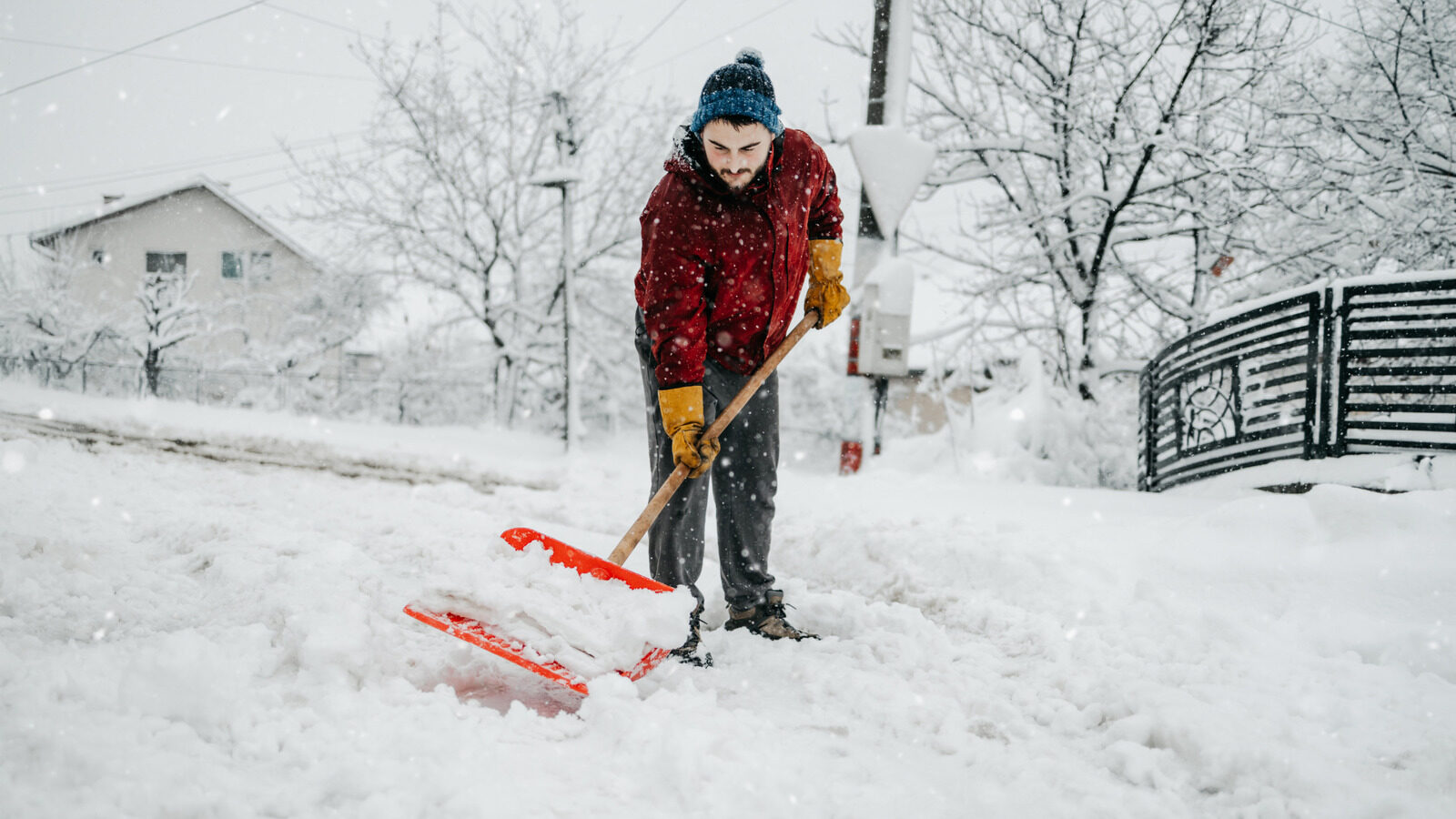
Shoveling snow is not merely a physical exertion, but a complex activity that can have severe cardiovascular implications. Studies have shown that even fit individuals may experience a spike in blood pressure and heart rate that surpasses the stress levels found during intense exercise, such as running on a treadmill.
Several factors contribute to the strain of shoveling snow:
- Heavy Load: Snow can be dense and heavy, especially when it is wet. Lifting this weight can place significant stress on the heart.
- Cold Temperatures: The body’s response to cold can cause blood vessels to constrict, increasing blood pressure.
- Time Pressure: Many feel rushed to clear snow quickly, leading to rapid movements that can elevate heart rates further.
- Lack of Preparation: For those who are not regularly active, this sudden exertion can be shocking to the body.
- Breath Holding: It’s common for shovelers to hold their breath during the lifting phase, which can lead to further strain on the cardiovascular system.
These elements combine to create a perfect storm for cardiac events during winter months, particularly when people are unaccustomed to such strenuous activity. The body is not only facing external stressors from the cold but also internal challenges from the physical demands of shoveling.
Statistics on snow shoveling and heart attacks
While it’s difficult to pinpoint the exact number of heart attacks caused by shoveling snow, some estimates suggest that around 100 individuals in the U.S. suffer fatal cardiac events while engaged in this activity each year. The actual number may be much higher, as many deaths go unreported or are misclassified due to the circumstances surrounding winter storms.
In 2022, for instance, New York experienced a “blizzard of the century,” which claimed over 60 lives. While some fatalities were due to exposure to the elements, a significant number occurred during the act of shoveling snow. This highlights a critical public health concern that often goes unnoticed during winter weather advisories.
Who is most at risk while shoveling snow?
Research has identified specific demographics that are particularly vulnerable to the cardiovascular risks associated with shoveling snow. According to a study published in the Mayo Clinic Proceedings, older men are at a significantly higher risk of suffering from cardiac events while shoveling snow.
The following groups should exercise particular caution:
 The Rock That Could Transform Our Understanding of Mars Forever
- Older Adults: People over the age of 55 are advised to avoid shoveling altogether due to increased risk.
- Individuals with Pre-existing Conditions: Those with heart disease, high blood pressure, or respiratory issues should refrain from this strenuous activity.
- Inactive Individuals: People who lead sedentary lifestyles may find sudden exertion extremely taxing on their bodies.
- People on Certain Medications: Some medications can affect cardiovascular response under stress; consult with a healthcare provider.
Understanding these risk factors is crucial for personal safety, particularly during heavy snowfall periods when many feel compelled to clear paths quickly.
Understanding the body’s response to cold and exertion
The body’s physiological response to cold weather is another key factor in understanding the risks of shoveling snow. Cold air triggers several responses that can impact cardiovascular health:
- Vasoconstriction: Blood vessels narrow in response to cold, increasing blood pressure.
- Increased Heart Rate: Cold exposure can stimulate the heart to pump faster, placing additional strain on an already stressed system.
- Respiratory Changes: Breathing cold air can lead to airway constriction, complicating oxygen delivery during exertion.
These physiological changes can exacerbate the strain experienced during snow shoveling, particularly for those who are not physically prepared for such activity. The combination of cold temperatures and intense physical labor can overwhelm the cardiovascular system, resulting in potentially life-threatening situations.
Strategies for safe snow shoveling
While shoveling snow carries inherent risks, there are several strategies individuals can adopt to reduce their chances of experiencing a heart-related event:
- Warm Up: Take a few minutes to perform light stretches or walk to prepare your body for physical exertion.
- Use Proper Equipment: Invest in a lightweight shovel or consider using a snow blower to minimize strain.
- Shovel in Shifts: Take breaks to rest and hydrate, rather than attempting to clear everything at once.
- Stay Hydrated: Even in cold weather, hydration is crucial; drink water before and after shoveling.
- Know Your Limits: If you feel fatigued or unwell, stop shoveling immediately and seek help.
By adopting these strategies, individuals can enjoy the winter season without jeopardizing their health. It’s essential to remain vigilant and aware of the physical demands that come with shoveling snow.