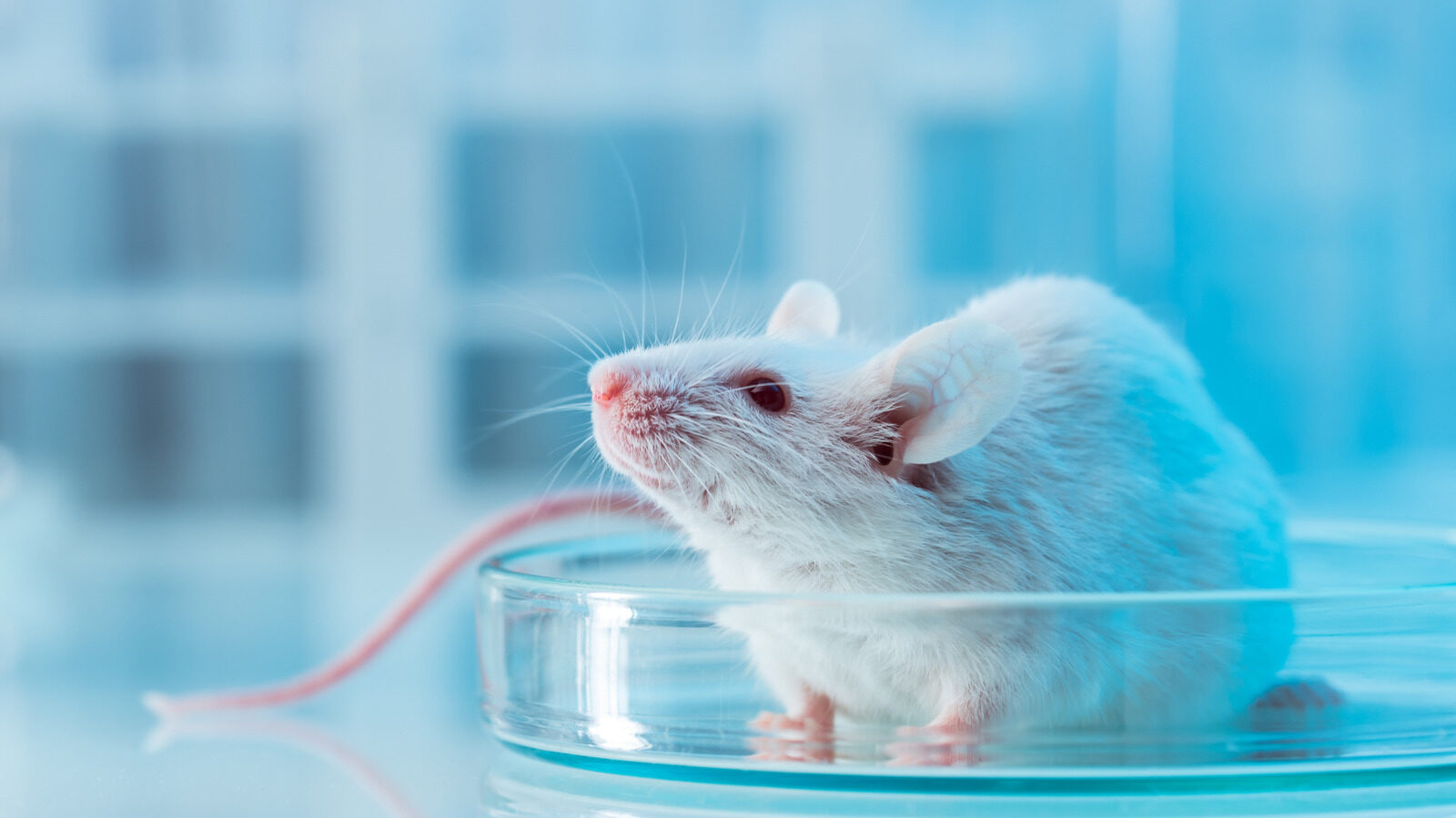
Understanding the role of mice in scientific research unveils an intricate world where genetic similarities, ethical considerations, and advancements in technology converge. As researchers strive for breakthroughs in medicine and biology, mice have become indispensable allies in the quest for knowledge and health. This article delves into the reasons behind the extensive use of these rodents in experiments.
Why scientists choose mice for experiments
Throughout history, animal experimentation has been a cornerstone of scientific discovery. The ancient Greeks first pioneered this practice more than 2,400 years ago, setting a precedent that continues to shape modern research methodologies. In today’s laboratories, while a variety of species—including fish, dogs, cats, and primates—are utilized, rodents dominate the landscape, making up approximately 95% of all animals used in biomedical research.
The overwhelming preference for rodents, particularly mice, can be attributed to several factors:
- Genetic similarity: Mice share about 85% of their functional DNA with humans, making them an ideal model for studying human diseases.
- Rapid reproduction: Mice reach sexual maturity in just a few weeks, allowing for quick breeding cycles that facilitate genetic studies.
- Ethical considerations: Using mice instead of humans for preliminary testing helps mitigate ethical dilemmas associated with human trials.
However, the choice of mice over other species, like lizards, is primarily due to their physiological and genetic similarities to humans. The domesticated lab mouse, known scientifically as Mus musculus domesticus, has been selectively bred for extensive periods, leading to a distinct subspecies that exhibits behaviors and physiological traits closely aligned with human biology.
The evolution of the lab mouse
The use of mice in experiments has a fascinating history. Initially, scientists like Louis Pasteur relied on larger mammals such as dogs and cows to develop pioneering theories like germ theory. It wasn’t until the early 20th century, specifically 1902, that Abbie Lathrop began selectively breeding mice for laboratory use, paving the way for their widespread adoption in scientific research.
The pivotal moment for murine research came in the 1980s with the emergence of genetic modification technology, closely followed by the Human Genome Project (HGP). This monumental international effort aimed to sequence the entire human genome and revealed astounding genetic parallels between humans and mice, further solidifying the rodent’s place in biomedical research.
Understanding the genetic knockout mouse model
The genetic ‘knockout’ mouse model has revolutionized how scientists study gene functions and their implications for human health. This method involves intentionally deactivating a specific gene in a mouse embryo, leading to a so-called “knockout” mouse. By comparing the physiological and behavioral differences between knockout mice and their control counterparts, researchers can discern the roles of various genes in health and disease.
Key aspects of the knockout mouse model include:
- Targeted gene manipulation: Scientists can precisely remove genes to observe the resulting biological changes.
- Insights into diseases: Knockout models have been pivotal in understanding complex diseases like cancer, diabetes, and neurodegenerative disorders.
- Advancements in treatment: Knowledge gained from these models has contributed to the development of effective therapies and drugs.
This innovative approach provides invaluable insights into gene functions, enhancing our understanding of the genetic underpinnings of diseases. For many biologists, the sacrifices of lab mice have led to significant advancements in human health and medical interventions.
 Uninhabited Islands: Exploring Worlds Without People
Ethical considerations in animal research
While animal testing has proven essential for scientific advancement, it has also sparked considerable ethical debates. The necessity of using living beings for experimentation raises questions about the treatment and welfare of these animals. In response to these concerns, many regulatory bodies have established strict guidelines to ensure humane treatment of laboratory animals.
Key ethical principles in animal research include:
- Reduction: Minimizing the number of animals used in experiments by employing alternative methods when possible.
- Refinement: Enhancing techniques to reduce suffering and improve the welfare of animals used in research.
- Replacement: Seeking alternatives that eliminate or significantly reduce the use of animals in research.
These ethical considerations are paramount to maintaining public trust in scientific research and ensuring that the benefits of such studies are not overshadowed by animal welfare concerns.
Conclusion: The future of murine research
As technological innovations continue to evolve, the role of mice in biomedical research is likely to expand even further. Advances in gene editing, such as CRISPR, are enhancing the precision with which scientists can manipulate mouse genomes, allowing for more complex studies of gene interactions and disease mechanisms.
Furthermore, the ongoing dialogue surrounding ethical practices in animal research will likely lead to an increased focus on developing alternative models, including in vitro systems and computer simulations, which may one day diminish the reliance on live animals.
Ultimately, the contributions of mice to our understanding of biology and medicine are profound, and as research progresses, these small creatures will continue to play a vital role in unraveling the complexities of human health.