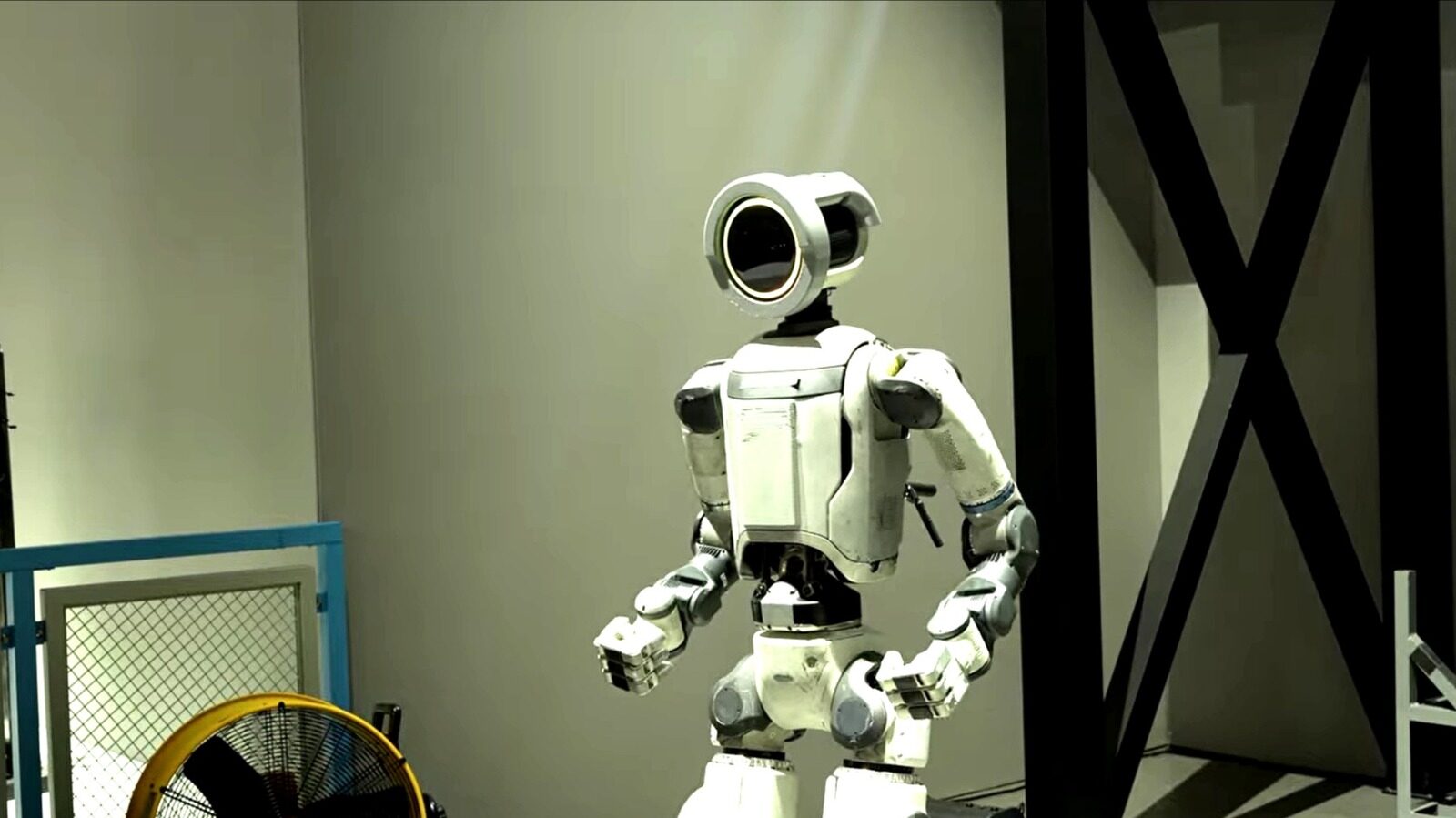
Imagine a world where robots not only assist humans but outperform them in both physical and intellectual tasks. The reality of such robots is closer than ever, particularly with the emergence of advanced humanoid robots like Atlas from Boston Dynamics. This journey into the realm of “superhuman” robotics reveals a fascinating intersection of technology and science fiction.
Understanding the evolution of humanoid robots
The concept of humanoid robots has captivated our imagination for decades, often portrayed in films and literature as the pinnacle of technological advancement. A humanoid robot is defined by its resemblance to human beings, featuring a similar body shape and the ability to interact with the world designed for humans. This definition has evolved significantly with recent advancements in robotics.
Boston Dynamics has been at the forefront of this evolution, showcasing how humanoid robots can exceed traditional expectations. The Atlas robot, one of their flagship models, not only mimics human movements but also integrates advanced capabilities that push the boundaries of what machines can achieve. The design of Atlas reflects a blend of mechanical engineering and artificial intelligence, making it a true marvel of modern technology.
Key features of the Atlas robot
The Atlas robot is not just another mechanical entity; it embodies a range of features that make it stand out in the robotics landscape. Below are some of its most notable characteristics:
- Bipedal locomotion: Atlas is designed to walk on two legs, mimicking human gait, which allows it to navigate complex environments.
- 360-degree joint rotation: Unlike humans, Atlas can rotate its joints fully, enabling a greater range of motion and flexibility.
- Autonomous learning: Through machine learning algorithms, Atlas can adapt and improve its performance based on experience.
- Tactile sensors: Equipped with sensitive hands, Atlas can adjust its grip based on the object’s texture and weight.
- Robust design: Built to withstand various conditions, Atlas is ideal for tasks in challenging environments.
These features not only enhance its operational capabilities but also open up opportunities for its application across different sectors, from manufacturing to disaster response.
How a superhuman robot may surpass humans physically and intellectually
Atlas’s superhuman skillset is primarily centered around its physical abilities. By eliminating the need for traditional wiring between joints, Boston Dynamics has created a robot capable of dynamic movements that exceed human agility. This physical prowess allows Atlas to perform tasks that are either too dangerous or too demanding for humans.
However, the innovation doesn’t stop at physical capabilities. Atlas is equipped with advanced microchips and software that function similarly to a brain, enabling a level of cognitive processing that is crucial for learning. For instance, when an operator remotely guides Atlas through a task, the robot learns the objective and, over time, can execute it independently, often with increased efficiency.
Atlas’s tactile sensors in its dexterous hands further enhance its ability to adapt to various materials. This means that whether it is lifting a delicate object or handling something more robust, Atlas can optimize its grip accordingly, showcasing a blend of strength and finesse.
The implications of advanced robotics
As robots like Atlas become more sophisticated, there are both opportunities and challenges to consider. The applications of such technology are vast and varied, including:
- Manufacturing: Automating repetitive and dangerous tasks can enhance productivity and safety.
- Healthcare: Robots could assist in surgeries or provide care for patients, improving outcomes.
- Disaster relief: In hazardous situations, robots can perform rescues or assess damage where humans cannot safely go.
- Space exploration: Humanoid robots could be deployed in environments too extreme for human astronauts.
Despite these promising applications, there is an ongoing debate about the ethical implications of deploying such advanced robotics. Concerns about job displacement, privacy, and the potential misuse of technology underscore the need for responsible development and implementation.
The current state of robotics versus artificial intelligence
While the advancements in robotics are impressive, the field is still catching up to the rapid progress seen in artificial intelligence. Dr. Robert Playter, CEO of Boston Dynamics, acknowledges this disparity, noting that while AI technologies are advancing at a breakneck pace, creating reliable robotic systems takes considerable time and resources.
This acknowledgment highlights a significant aspect of the robotics landscape today: the balance between hardware capabilities and software intelligence. Although robots like Atlas are learning and performing tasks independently, they still rely heavily on human oversight and intervention for complex decision-making.
Future prospects for humanoid robots
The future of humanoid robots like Atlas remains a topic of speculation and excitement. As technology continues to evolve, several potential developments could shape the next generation of robotics:
- Integration with AI: Future robots may incorporate advanced AI systems, enabling them to make autonomous decisions in real-time.
- Enhanced human-robot collaboration: Robots could work alongside humans, augmenting their capabilities rather than replacing them.
- Customization: Future designs may allow for modular components, enabling robots to adapt to specific tasks or environments easily.
- Ethical frameworks: Developing guidelines for the ethical use of robots will be crucial to address potential societal concerns.
As we move forward, the dialogue surrounding humanoid robots must consider not only the technological advancements but also the broader implications for society. The intersection of robotics and artificial intelligence will undoubtedly lead to a future where the line between human and machine continues to blur, posing both exciting possibilities and significant challenges.