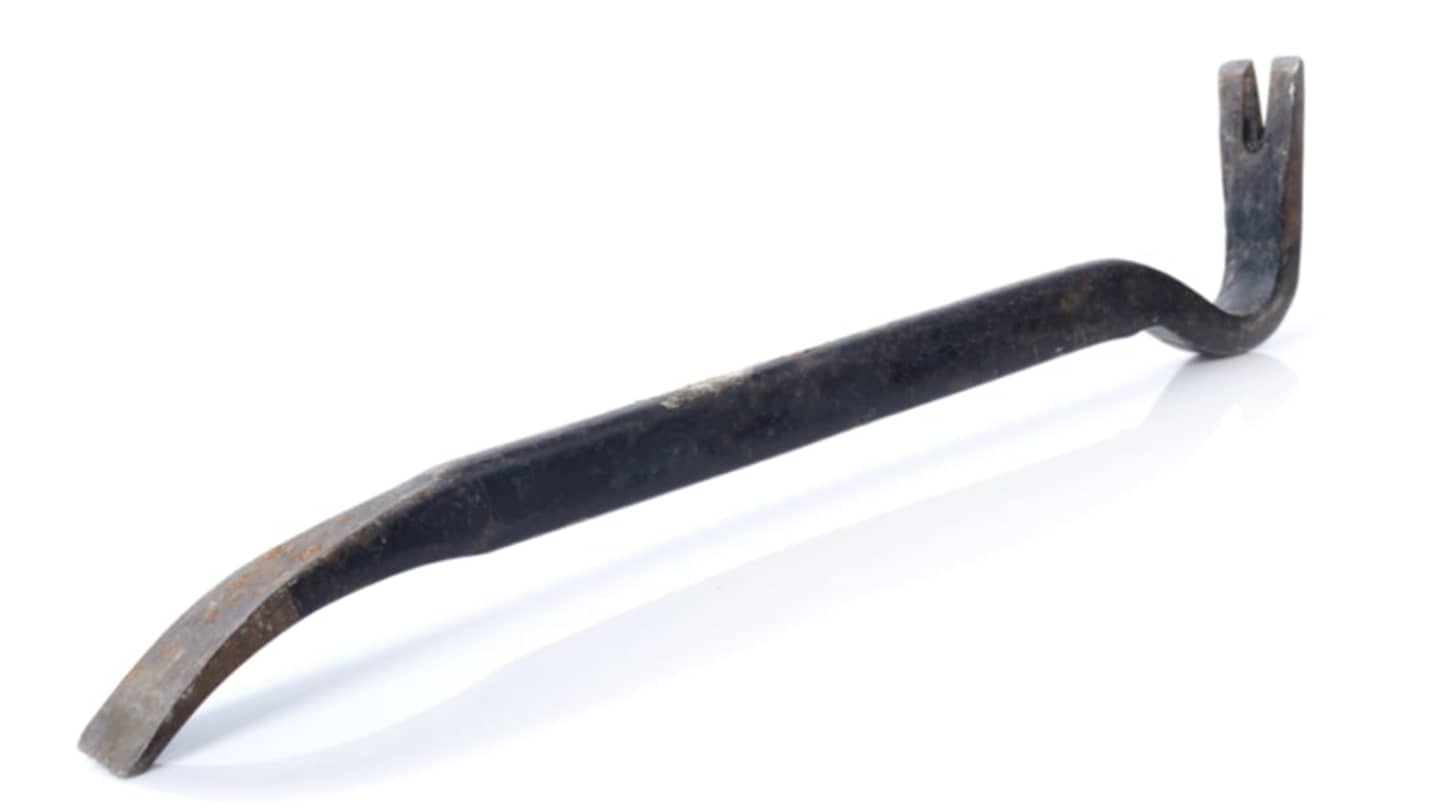
Have you ever wondered why that trusty lever tool is called a crowbar? It’s a name that seems to come straight out of a fairytale, conjuring images of crows using their Beaks To Pry Open Things. Well, the truth is even more interesting than that!
The term “crowbar” has been around for centuries, with historical records showing its use dating back to at least 1386. Back then, Workmen Used Iron “crows,” which were essentially early versions of crowbars, to open up containers and perform Other Tasks. It’s easy to see how the Name Stuck – the sharp, angled end of the tool resembles a crow’s beak, and crows are known for their clever use of their beaks as tools.
Interestingly, despite being featured in Shakespeare’s Romeo and Juliet, the term “prybar” has become more common in the Uk today. But no matter what you call it, this humble tool remains a staple in workshops and garages around the world, proving that sometimes the simplest names can hold the most fascinating stories.
The Evolution of the Crowbar
The crowbar’s design hasn’t changed drastically over the centuries, but there have been some notable refinements along the way. Early versions were often simple lengths of iron with a sharpened end. Over time, blacksmiths began to experiment with different shapes and sizes, leading to the development of specialized crowbars for specific tasks.
For instance, Demolition Crews Now Use heavy-duty crowbars with reinforced handles to Pry Apart Concrete Structures. Meanwhile, plumbers might opt for a smaller, more flexible crowbar designed to reach tight spaces under sinks or in pipes. This evolution reflects how tool design often adapts to the changing needs of various industries and trades.
The core principle of leverage remains constant, but the materials used have certainly improved. Today’s crowbars are frequently made from high-Grade Steel, ensuring greater durability and strength. Some models even incorporate modern features like non-slip grips for enhanced user comfort and safety.
Historical Origins and Usage
Beyond its name, the crowbar boasts a rich history that spans centuries and continents. While the exact origins are shrouded in the mists of time, archeological evidence suggests that lever-like tools have been used for millennia to move heavy objects and Perform Simple Pry Tasks. These early predecessors likely involved crudely shaped wood or stone, serving as essential implements for prehistoric construction and daily life.
Fast forward to the Middle Ages, and we find the crowbar taking on a more defined role. Its use spread throughout Europe, becoming indispensable in carpentry, metalworking, and even warfare. Imagine medieval blacksmiths wielding their iron Crows To Shape Metal, or soldiers using them to breach fortifications. The crowbar’s versatility proved invaluable across various trades, solidifying its place as a fundamental tool of the era.
The transition to modern times saw further refinements and widespread adoption of the crowbar in construction and repair work. Its ability to exert powerful force with relatively little effort made it a valuable asset for dismantling buildings, Laying Foundations, and tackling countless other tasks.
The Bird Connection: Why a “Crow” Bar?
The name “crowbar” seems to come straight out of a fable, conjuring images of crows using their Beaks As Tools. And indeed, that’s the very reason behind the tool’S Curious moniker!
It all boils down to observation and a touch of poetic license. The sharp, angled end of a crowbar bears a striking resemblance to a crow’s beak. Those observant early toolmakers likely noticed this similarity and decided to christen Their Invention Accordingly. After all, crows are renowned for their intelligence and dexterity, often using their beaks to pry Open Objects, Crack Nuts, and even build nests. This association with avian ingenuity stuck, giving rise to the now-Familiar Term “crowbar.”
It’s a testament to how closely intertwined human language is with nature, reflecting our tendency to find connections and inspiration in the world around us.
Modern Terminology and Adaptations
While “crowbar” remains a widely recognized term, its usage varies across different regions and industries. In some parts of the world, particularly the Uk, you might encounter the simpler term “prybar.” This shortened version reflects the tool’s Primary Function – To Pry Things Apart.
Regardless of what you call it, the crowbar has undergone numerous adaptations to meet the demands of specialized tasks. Today, you’ll find a wide range of crowbars designed for specific purposes, from demolition work to plumbing repairs. Some feature reinforced handles for added strength, while others incorporate curved or pointed ends for greater versatility.
These modern iterations demonstrate how tools evolve alongside technology and human ingenuity, continually adapting to meet the ever-changing needs of our world.
Tools for Every Task – Understanding Leverage
The crowbar’s magic lies in its clever application of leverage. This simple concept involves using a force applied at a distance to amplify the effect at another point. Think of it like a seesaw – the longer the arm you push on, the easier it is to lift Your Opponent.
A crowbar acts similarly. By placing one end under an object and applying force to the Other End (the handle), we create a mechanical advantage. This means we can move heavy objects with relatively little effort. The further apart the fulcrum (pivot point) and the load are placed, the greater the leverage.
Understanding leverage is key to effectively using a crowbar for various tasks. By adjusting your grip and positioning the crowbar’s fulcrum, you can manipulate the force applied, making it ideal for prying open Stubborn Objects, Lifting Heavy Items, or even breaking apart materials with Minimal Damage.