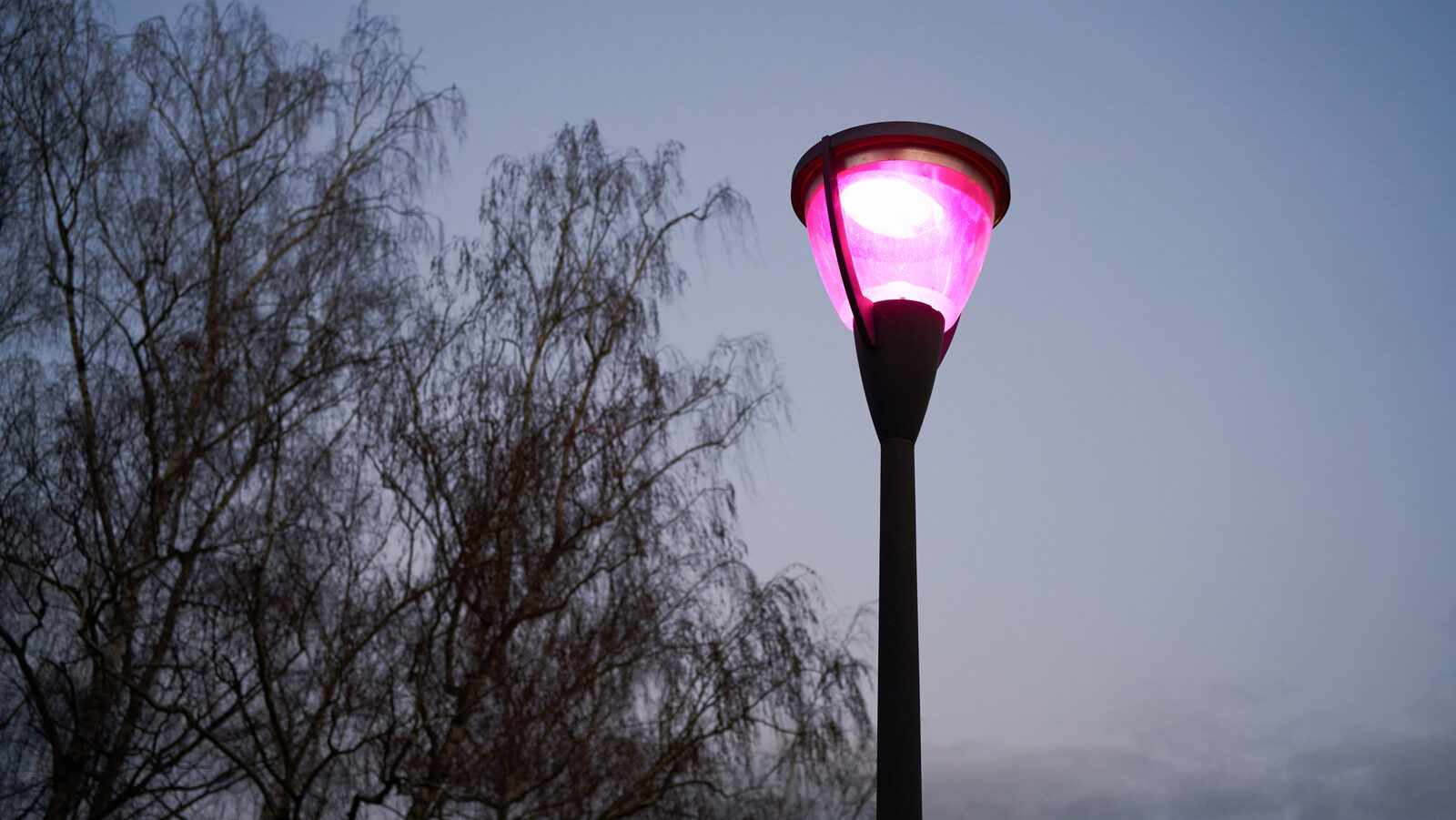
Have you noticed that some streetlights have started to emit a peculiar purple hue? This unexpected phenomenon has left many residents puzzled and has led to a flurry of speculation. However, the reasons behind the purple lights are rooted in science and technology, primarily related to the shift from traditional lighting to LED technology. Let’s explore this intriguing topic and uncover the complexities behind the colors of our streetlights.
Understanding the Transition to LED Streetlights
In recent years, municipalities across the United States have made the transition from traditional gas and filament streetlights to LED (light-emitting diode) lighting. This shift has been driven by several factors, including energy efficiency, cost-effectiveness, and improved lifespan. LEDs have revolutionized street lighting due to their ability to produce bright, long-lasting light while consuming significantly less energy.
By replacing older lighting systems, cities have not only reduced their carbon footprints but also lowered maintenance costs. However, this transition has not come without its challenges, one of which is the perplexing issue of purple streetlights.
Why is it Difficult to Produce White Light with LEDs?
The inherent challenge with LED technology lies in its inability to naturally emit white light. When LEDs were first introduced, they primarily produced a cold, blue light that many found unappealing. To create a white light that mimics the warm glow of traditional lights, manufacturers had to adopt a clever strategy.
The process of generating white light from LEDs involves a combination of materials, specifically phosphor and silicon. Here’s how it works:
- Phosphor Coating: The LED diodes are coated with a phosphor material. This synthetic substance fluoresces when exposed to radiation, converting the harsh blue light into a softer, more appealing white light.
- Silicon Adhesive: Silicon is used to help the phosphor adhere properly to the LED. It plays a vital role in the overall functionality of the light.
- Degradation Issues: Over time, the silicon can degrade, leading to cracks in the phosphor layer. When this occurs, the blue light emitted by the LED can leak through, resulting in a purple hue.
The Implications of Purple Streetlights
The emergence of purple streetlights is not merely an aesthetic concern; it has practical implications as well. The dimmer appearance of purple lights can affect visibility for drivers and pedestrians alike, potentially creating hazardous situations. Moreover, the psychological effects of dimmer lighting can contribute to feelings of insecurity in certain areas.
Fortunately, the solution is relatively straightforward. Replacing the malfunctioning bulbs is a simple fix. However, this issue raises questions about the quality control standards of LED manufacturers. To prevent future occurrences, manufacturers may need to strictly monitor their production processes and materials.
Why Are Some Streetlights Turning Purple in America?
Reports of purple streetlights have emerged from over 30 states, with notable incidents in cities like Milwaukee, Wisconsin, where around 300 streetlights began glowing in this unusual color. This phenomenon has sparked various conspiracy theories, suggesting everything from alien technology to government experiments. However, the truth is grounded in the technical issues associated with LED lights, rather than any outlandish explanations.
As the trend continues, it’s important for local governments and city planners to understand the factors contributing to this lighting issue. Addressing it effectively will require collaboration between municipal authorities and lighting manufacturers.
 Uninhabited Islands: Exploring Worlds Without People
Potential Solutions and Innovations in Street Lighting
As cities grapple with the issues surrounding LED streetlights, there are several potential solutions and innovations on the horizon:
- Improved Materials: Research into more durable phosphor materials and adhesives may help mitigate the degradation issues that lead to purple lights.
- Smart Lighting Systems: Implementing smart technologies can allow for more responsive and adaptive street lighting that can change based on traffic patterns or pedestrian needs.
- Regular Maintenance Protocols: Establishing maintenance schedules can help ensure that any issues with streetlights are identified and addressed promptly.
- Public Awareness Campaigns: Informing citizens about the reasons behind purple streetlights can reduce confusion and speculation, fostering a greater understanding of the technology.
The Future of Street Lighting: Balancing Technology and Aesthetics
As urban areas continue to evolve, the future of street lighting will likely involve a careful balance between technological advancement and aesthetic considerations. Cities must prioritize both functionality and visual appeal in their lighting designs. The integration of smart technologies, along with better materials, could pave the way for a more efficient and visually pleasing urban landscape.
Moreover, as cities explore innovative lighting solutions, it is crucial to involve community feedback to ensure that the needs and preferences of residents are met. Engaging citizens in the decision-making process can lead to better outcomes and foster a sense of ownership over public spaces.
Conclusion: Embracing Change in Urban Lighting
While the sight of purple streetlights may be alarming at first, understanding the science and technology behind this phenomenon can alleviate concerns. As cities transition to LED lighting, the focus must remain on ensuring quality, safety, and community satisfaction. By addressing the challenges posed by LED technology and fostering innovation, we can look forward to a future of urban lighting that is both efficient and appealing.