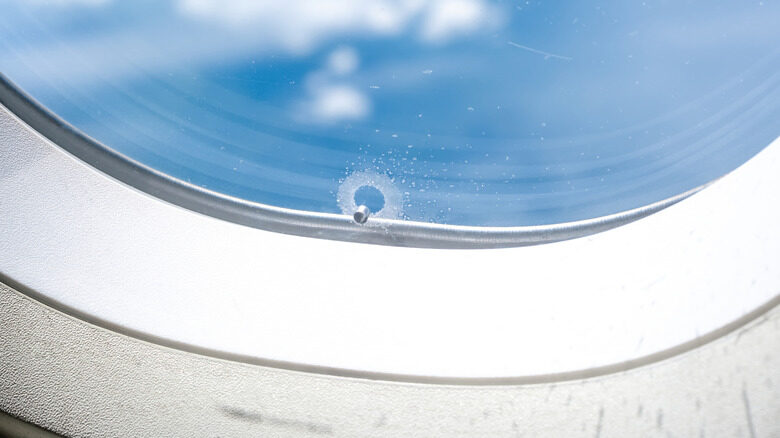
Have you ever gazed out of an airplane window and noticed the tiny hole at the bottom? While it might seem insignificant, this small feature plays a crucial role in the safety and functionality of aircraft windows. Let’s dive deeper into its purpose and why it’s essential for air travel.
Airplane windows are composed of multiple layers, each serving a specific function, and understanding how they work can enhance our appreciation for modern aviation engineering.
The design of airplane windows
In contrast to traditional glass windows, airplane windows are typically made from three layers of acrylic material. This multi-layered design is essential to maintain structural integrity while flying at high altitudes. The three layers serve distinct purposes and are designed to withstand the immense pressure differences encountered during flight.
- Outer Layer: This is the structural component that bears the brunt of cabin pressure. It provides a seal between the interior and exterior of the aircraft.
- Middle Layer: This layer is primarily a safety feature, ensuring that if the outer layer fails, the middle layer can still hold pressure and protect passengers.
- Inner Layer: Commonly referred to as the “scratch pane,” this layer serves a protective role, safeguarding the middle layer from scratches, dirt, and potential damage.
Each of these layers is separated by air gaps, with the outer layer designed to handle the pressure changes that occur when the aircraft ascends or descends. Understanding this design is vital to appreciate the importance of the tiny bleed hole found in the middle layer.
What is the purpose of the bleed hole?
The tiny bleed hole, often referred to as a “breather hole,” plays a critical role in managing the pressure differences that occur during flight. When an airplane ascends, the pressure inside the cabin is maintained at a higher level than the pressure outside. The bleed hole allows for a gradual adjustment of this pressure.
Instead of the middle layer experiencing a sudden influx of pressure, the bleed hole facilitates a controlled transfer to the outer layer. This gradual change reduces the chances of structural failure, ensuring that the outer pane can withstand the pressure without cracking or breaking.
How do bleed holes enhance safety?
The safety features provided by bleed holes become particularly evident during rapid descents. In emergency situations, pilots must descend quickly to bring the aircraft below 10,000 feet, where the atmospheric pressure allows passengers to breathe without supplemental oxygen. If the pressure change were abrupt, it could lead to catastrophic failures of the window panes.
With the presence of bleed holes, pressure changes occur more smoothly, significantly mitigating the risk of cracks or breaks. This design feature is not merely a convenience but a vital aspect of aircraft safety engineering.
Preventing moisture buildup
Beyond pressure regulation, bleed holes also help prevent moisture accumulation between the layers of the window. If the space between the panes were completely sealed, humidity could build up and result in condensation, obstructing visibility for passengers. By allowing air to circulate, bleed holes help maintain a clear view throughout the flight.
 Uninhabited Islands: Exploring Worlds Without People
This dual functionality ensures that not only are the windows structurally sound, but they also provide a pleasant viewing experience for those onboard. The engineering behind these tiny holes is a testament to the meticulous planning that goes into aircraft design.
The broader implications of window design
The design of airplane windows and the inclusion of bleed holes is just one example of how engineering innovations contribute to aviation safety. Understanding these features can help passengers appreciate the complexity of air travel. Here are some other key aspects of airplane window design:
- Material Strength: The acrylic used in airplane windows is incredibly strong yet lightweight, making it ideal for high-altitude conditions.
- Thermal Insulation: Multi-layer designs provide excellent thermal insulation, enhancing passenger comfort.
- Impact Resistance: The materials used are engineered to withstand impacts from debris, ensuring passenger safety during flights.
Conclusion: The unseen heroes of aviation engineering
Next time you fly, take a moment to appreciate the engineering marvels that go unnoticed. The tiny bleed holes in airplane windows are a crucial safety feature, demonstrating the intricate thought and design that go into modern aviation. The combination of functionality, safety, and passenger comfort ensures that air travel remains one of the safest modes of transportation available today.