The future of our solar system is a fascinating and complex subject that invites curiosity about what lies ahead. As we gaze at the sun today, it’s easy to forget that this brilliant star has a lifespan and will eventually undergo drastic changes. Understanding the ultimate fate of the sun and its impact on our solar system can provide insight into the nature of stellar evolution and cosmic cycles.
In a few billion years, the sun as we know it will undergo a transformation that will change not only its own structure but also the very fabric of the solar system. By exploring the life cycle of the sun, we can better grasp what to expect when our star reaches the end of its life span.
The life cycle of a star: a brief overview
To understand what happens when the sun dies, it’s essential to first comprehend the life cycle of a star. Stars are born from clouds of gas, primarily hydrogen, that coalesce under the force of gravity. Over millions of years, this gas compresses and heats up, initiating nuclear fusion in the core, which marks the dawn of a star’s life. This fusion process produces energy that counteracts gravitational collapse, enabling the star to shine brightly.
As stars age, they exhaust their hydrogen fuel. This depletion triggers a series of changes:
- The core contracts, and temperature rises.
- Hydrogen in the surrounding shell begins to fuse, expanding the outer layers.
- Stars like our sun enter the red giant phase, significantly altering their size and luminosity.
Eventually, the core will fuse helium into heavier elements, leading to a series of evolutionary stages that will result in the star’s eventual death and transformation.
What happens when the sun turns into a red giant?
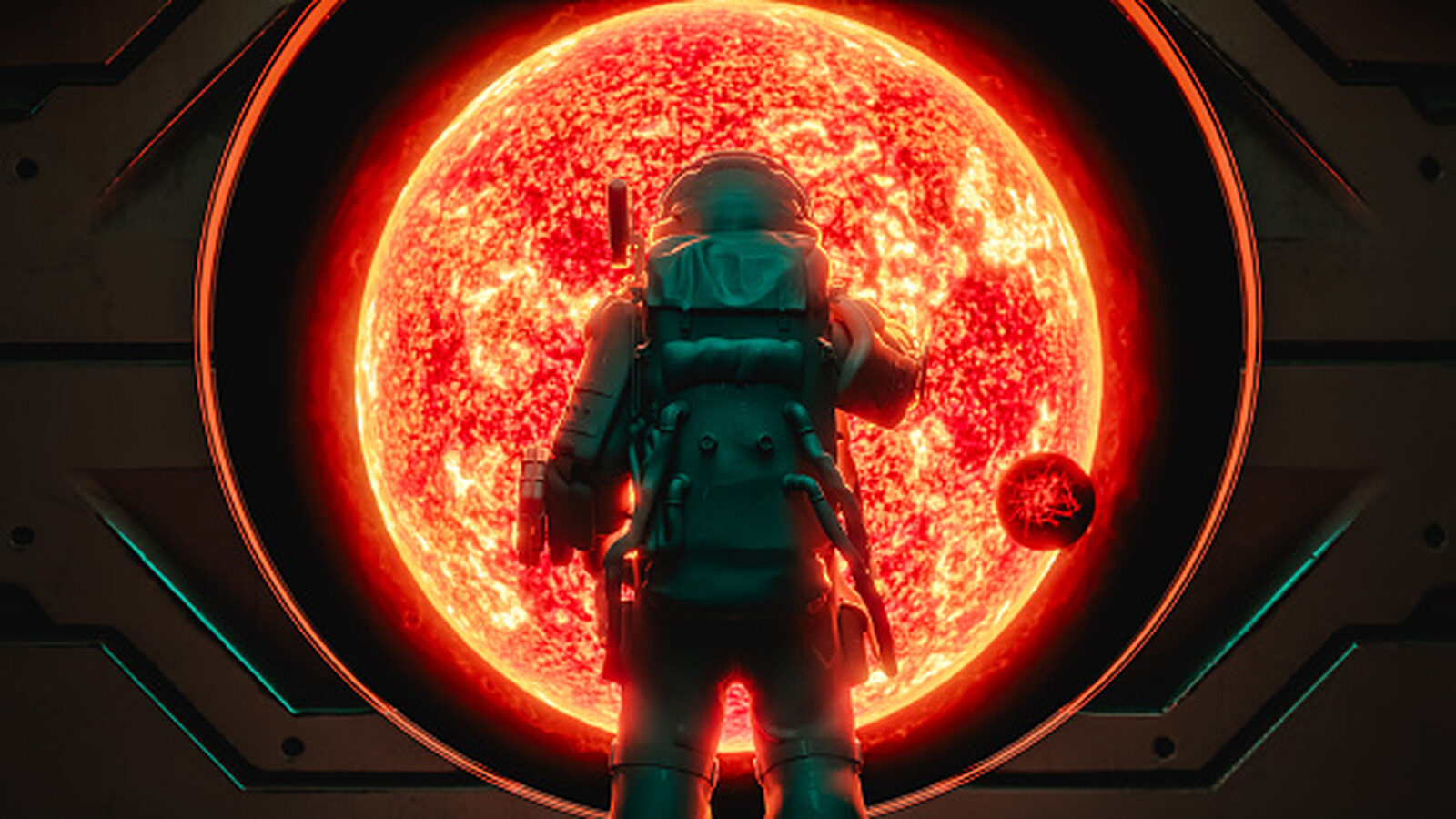
The transition to a red giant phase marks a dramatic expansion of the sun. During this phase, the sun will swell to a size that could engulf the inner planets, specifically Mercury and Venus, and potentially Earth, depending on the extent of its expansion. This process will unfold over approximately one billion years.
The core of the sun undergoes intense pressure and heat, leading to the fusion of helium into carbon. The energy from this fusion creates a helium flash, which causes the sun to expand rapidly. While it might not reach the maximum size of over 1,000 times its current diameter, it will significantly alter its appearance and structure.
Key events during the red giant phase include:
- **Expansion:** The sun will grow larger and cooler, taking on a reddish hue.
- **Helium fusion:** The core’s fusion of helium produces carbon, further energizing the star.
- **Stellar shedding:** The outer layers will be ejected, creating a glowing planetary nebula that will exist for several thousand years.
After shedding its outer layers, the sun will lose almost half of its mass, reducing its gravitational pull on the remaining planets.
Consequences for the solar system as the sun dies
As the sun transitions into a white dwarf after shedding its outer layers, the solar system will face significant changes. The planets that remain will have to adjust to a new cosmic environment.
Here’s what we can expect:
- **Inner planets destroyed:** Mercury, Venus, and likely Earth will be vaporized and rendered uninhabitable.
- **Mars remains:** Mars may survive the initial onslaught, but its atmosphere will be drastically altered.
- **Orbit alterations:** The outer planets will orbit the now white dwarf sun at greater distances due to the sun’s mass loss.
The sun, now a carbon-oxygen core, will continue to cool down over billions of years until it reaches the hypothetical phase of a black dwarf. However, no black dwarfs have been observed yet, as the universe is still too young for such stars to exist.
The fate of the remaining planets
As the solar system adapts to the loss of its vibrant sun, the remaining planets will undergo their own transformations. Mars, which may be spared from immediate destruction, will experience a dramatic change in its climate and atmosphere. The outer planets, such as Jupiter and Saturn, will continue their orbits but will feel a decrease in solar energy.
Over time, these planets will encounter several challenges:
- **Temperature drops:** With the sun no longer providing warmth, the surfaces of the outer planets will cool significantly.
- **Atmospheric changes on Mars:** Mars could lose any remaining atmosphere, leading to a barren landscape.
- **Increased isolation:** The gravitational effects of the white dwarf will alter the orbits and interactions between the planets.
Ultimately, the solar system will morph into a cold, dark expanse, with the remnants of the sun at its center, no longer capable of sustaining life.
The long-term cosmic perspective
The eventual fate of our solar system is a reminder of the vast timescales and dynamic processes at play in the universe. The life cycle of stars is a continuous narrative of creation and destruction, highlighting the fundamental principles of astrophysics and the evolution of celestial bodies.
Astrophysicists continue to study these processes to gain insights into the future of our universe. Understanding the death of stars like our sun not only informs us of cosmic events but also evokes a sense of wonder about our place in the universe.
As we await the distant future, it is worth reflecting on the beauty and transience of the cosmos, reminding us that even the sun, our steadfast companion, will one day face its own end.