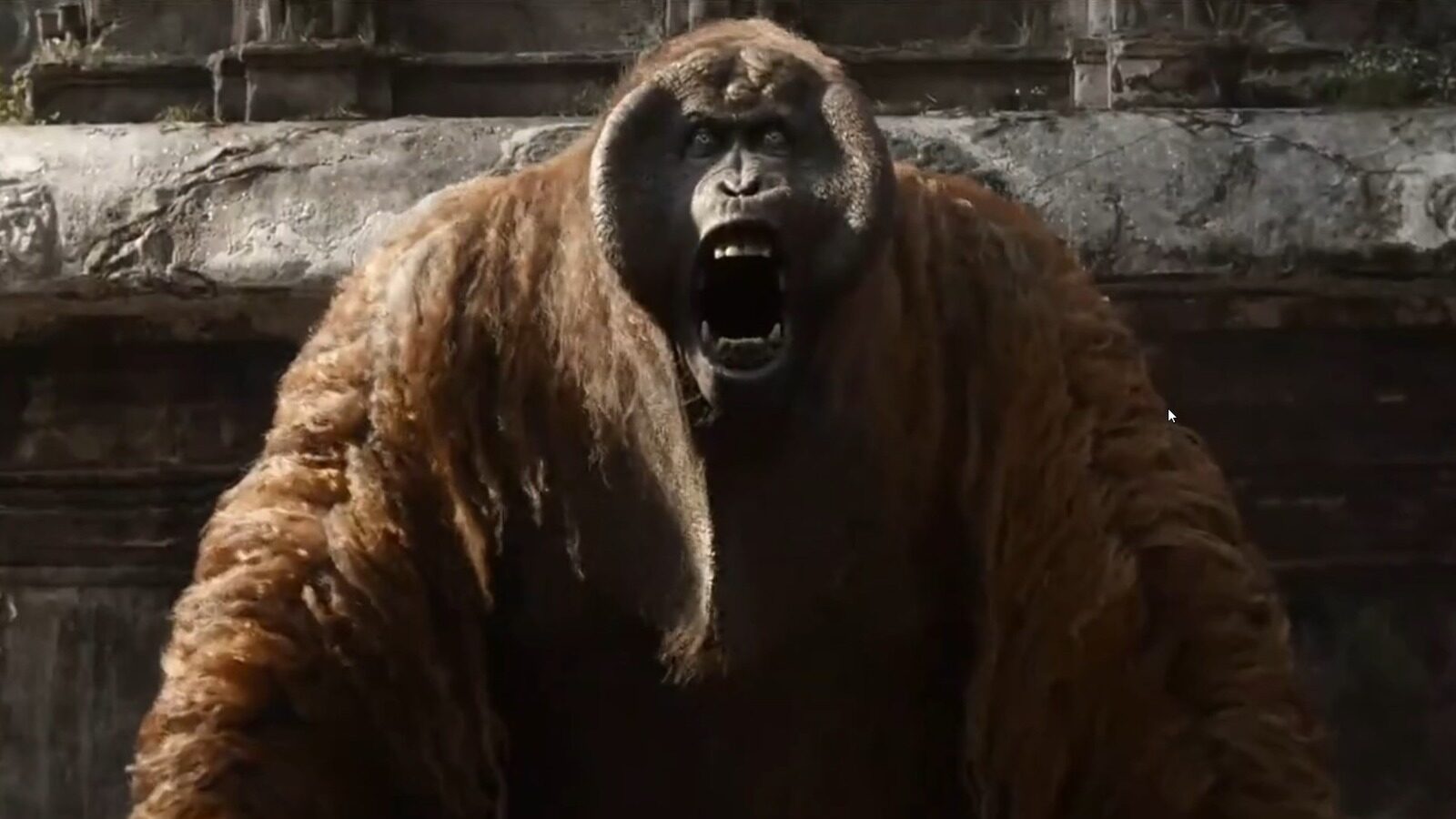
Exploring the depths of our planet’s prehistoric past can reveal astonishing creatures that once roamed the Earth, providing insights into the evolution of life as we know it today. Among these magnificent beings, one stands out for its sheer size and ecological significance: the Gigantopithecus. Imagine what it would be like if this colossal primate were still alive today, and how its presence would alter the balance of our ecosystems.
The Gigantopithecus, often referred to as the world’s largest primate, offers a captivating glimpse into the Pleistocene era. This enormous ape, which could weigh up to 660 pounds, raises intriguing questions about survival, habitat, and its interactions with other species. What would its lifestyle entail in our modern world, dominated by human constructs and altered landscapes? Let’s dive deeper into the fascinating world of Gigantopithecus.
Gigantopithecus: The giant of the primate world
Gigantopithecus, a member of the Hominidae family, lived during the Pleistocene epoch, approximately 2 million to 300,000 years ago. Fossil evidence suggests that this gigantic ape roamed the forests of what is now China, India, and Vietnam. Understanding its size and dietary habits can help us appreciate its ecological role during that era.
Research indicates that Gigantopithecus was a herbivore, primarily consuming a diet rich in fibrous plant material. A 2024 study published in Nature examined the fossilized remains and dental structure of this primate. Key findings include:
- Large molars suited for grinding tough vegetation.
- Thick enamel, indicating an adaptation to a diet of abrasive materials.
- Evidence of a varied diet including leaves, fruits, and flowers, suggesting it thrived in diverse forest ecosystems.
The regions where Gigantopithecus lived—such as the Guangxi and Hubei provinces—were rich in vegetation, which provided ample resources for this massive creature. The extinction of Gigantopithecus is thought to be linked to significant changes in its environment, including alterations in plant diversity and availability, leading to its eventual decline.
The implications of Gigantopithecus in today’s ecosystems
Considering the immense size of Gigantopithecus, its presence would undoubtedly have profound implications for the animal kingdom today. While it likely would not pose a direct threat to humans, its sheer weight and dietary needs could disrupt existing habitats. Imagine the potential consequences:
- Displacement of smaller herbivores due to competition for food sources.
- Altered foraging patterns among forest-dwelling animals.
- Impact on seed dispersal processes in forest ecosystems.
Such disruptions could lead to a cascade of ecological changes, affecting not just flora but the entire food web. The balance of life in these ecosystems relies on the intricate relationships between species, and the introduction of a giant like Gigantopithecus could threaten this stability.
Challenges for Gigantopithecus in the modern world
If Gigantopithecus somehow existed today, it would face immense challenges in adapting to a drastically different landscape. The lush forests that once provided sustenance have largely been replaced by urban developments and agricultural lands. To survive, this giant primate would require approximately 5,000 calories per day, a task made increasingly difficult by habitat loss.
Today, the closest relatives of Gigantopithecus are the orangutans, which are critically endangered. There are three species of orangutan: Bornean, Sumatran, and Tapanuli. Each faces severe threats primarily due to:
 Uninhabited Islands: Exploring Worlds Without People
- Deforestation and habitat degradation.
- Illegal hunting and poaching.
- Low reproductive rates, exacerbating their population decline.
This connection highlights the fragility of forest ecosystems and raises concerns about the survival of a creature as large as Gigantopithecus in our current climate. The plight of orangutans serves as a dire warning of what might await a similar species in today’s world.
Human impact on habitats and survival
The impact of humans on the environment cannot be overstated. As urbanization continues to encroach on natural habitats, the ability of large mammals like Gigantopithecus to thrive diminishes significantly. The following human activities contribute to the precarious situation for any large primate today:
- Expansion of agricultural land, which reduces available food sources.
- Pollution of ecosystems, affecting the health of both flora and fauna.
- Fragmentation of habitats, leading to isolated populations that struggle to survive.
Moreover, the fascination humans have for extraordinary creatures may lead to attempts to capture or study such a giant, further complicating its chances of survival. The desire to observe and interact with a living Gigantopithecus could lead to unintended consequences, such as stress and disruption of natural behaviors.
Conclusion: The legacy of Gigantopithecus
While the Gigantopithecus may no longer roam our forests, its legacy as a remarkable example of evolutionary adaptation continues to intrigue scientists and enthusiasts alike. By studying its life and the factors that led to its extinction, we can glean valuable lessons about conservation and the importance of preserving our remaining ecosystems. Understanding the needs of large mammals is crucial to ensuring that we do not repeat the mistakes of the past and protect the fragile balance of life on our planet.
As we continue to explore and learn more about our prehistoric relatives, the story of Gigantopithecus serves as a poignant reminder of the interconnectedness of all living beings and the urgency of safeguarding our natural world.