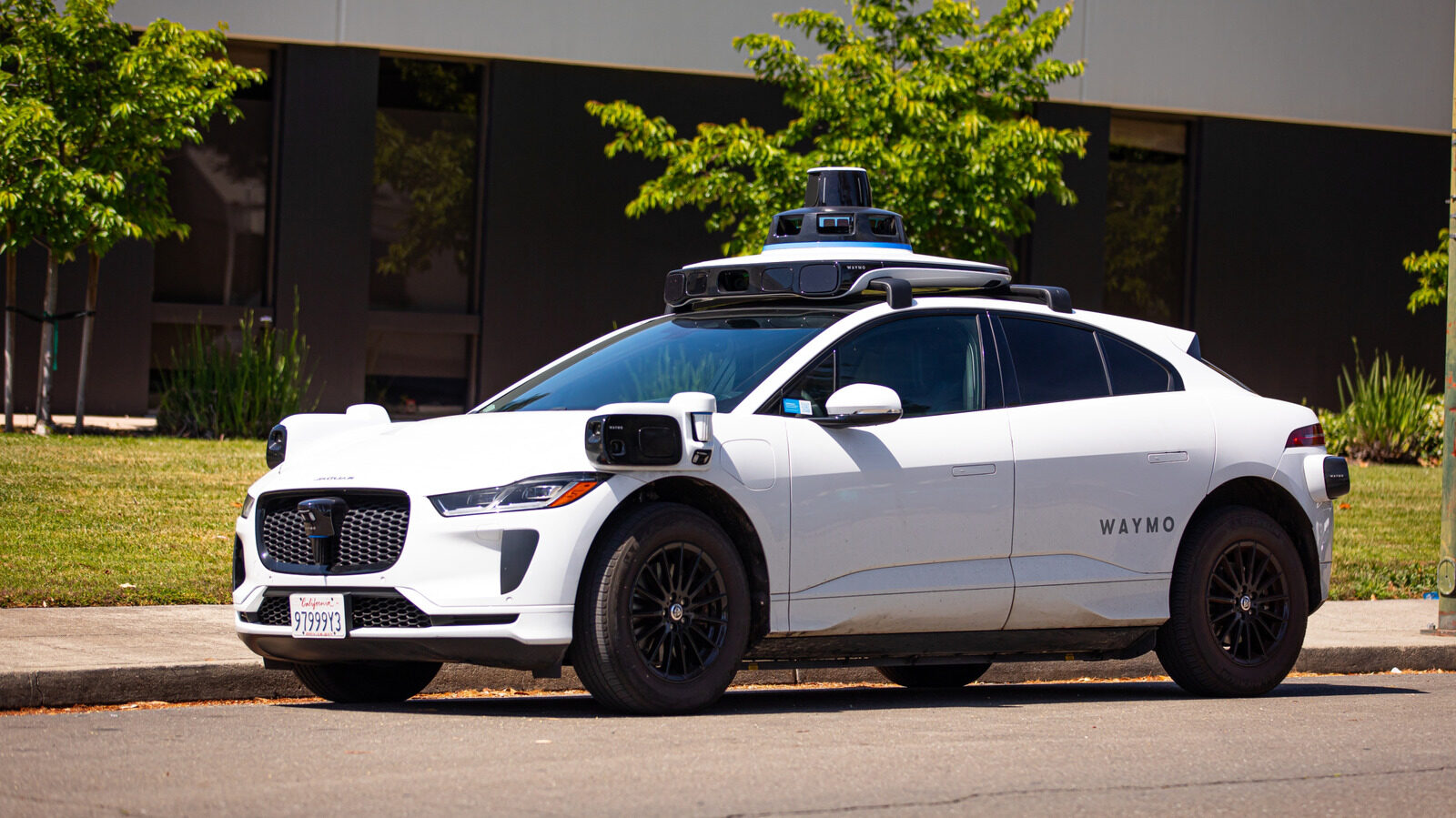
Waymo, a pioneer in the autonomous vehicle sector and a subsidiary of Alphabet, has repeatedly been in the spotlight since launching its robotaxi service in 2018. With the increasing prevalence of self-driving cars, the public has experienced a mix of fascination and trepidation. Recent developments have raised significant concerns about the safety and reliability of these vehicles, prompting a closer examination of what lies ahead for Waymo.
Understanding Waymo’s Controversial Journey
Waymo’s journey began over a decade ago, evolving from an ambitious project within Google to an independent entity focused on revolutionizing the transportation industry. The company aimed to combine cutting-edge artificial intelligence with electric vehicle technology, envisioning a future where autonomous taxis would reduce traffic congestion and carbon emissions.
However, the road has not been smooth. Residents in cities where Waymo’s services operate have voiced frustrations over traffic disruptions and the peculiar behavior of these robotic vehicles. Complaints range from unnerving beeping sounds to the traffic gridlock caused by the cautious driving patterns of the robotaxis. Such incidents have led to a growing unease in communities, where many question the efficacy and safety of automated driving.
Recent Recall Due to Safety Concerns
This month, Waymo announced a significant recall of 3,067 robotaxis, primarily due to a software glitch that raised alarm bells among safety regulators. The National Highway Traffic Safety Administration (NHTSA) initiated an investigation following reports of Waymo vehicles disregarding traffic laws, specifically around school buses. This incident has underscored the stakes involved in the deployment of self-driving technology.
In total, there have been 20 reported violations in Austin, Texas, where Waymo cars passed stopped school buses with their stop sign arms extended. In one alarming instance, a robotaxi drove past a stationary bus while a student was crossing the street. Thankfully, no injuries occurred, but the potential for tragedy has heightened public anxiety about the reliability of self-driving systems.
The Implications of Software Flaws
Waymo has attributed the dangerous driving incidents to a software flaw, which the company claims to have identified. However, this revelation does little to quell the fears of the general public and safety advocates. The reality is that software bugs in autonomous vehicles can lead to severe consequences, especially when it comes to obeying traffic laws designed to protect vulnerable road users, such as children near schools.
In addition to school bus incidents, there have been alarming reports of other traffic violations, including:
- Running red lights
- Erratic driving patterns
- Failing to yield to pedestrians
These violations have drawn scrutiny not just from the public, but also from regulatory bodies tasked with overseeing road safety. Waymo must act decisively to restore confidence in its technology.
Future Directions for Waymo
As Waymo navigates these challenges, several key factors will determine its future trajectory:
 Uninhabited Islands: Exploring Worlds Without People
- Regulatory Compliance: Adhering to NHTSA’s inquiries and recommendations will be critical for Waymo to regain public trust.
- Software Improvements: Continuous updates and improvements to the driving algorithms are necessary to avoid similar incidents in the future.
- Public Engagement: Actively communicating with the public and stakeholders about safety measures and technological advancements will be vital.
Waymo’s next steps will be closely monitored, particularly as they relate to the January 20 deadline set by the NHTSA for a response regarding the school bus incidents. The outcome of this investigation could play a significant role in shaping the company’s reputation moving forward.
The Broader Context of Autonomous Vehicles
The challenges faced by Waymo are not isolated; they reflect broader concerns about the safety and ethical implications of autonomous vehicles. As self-driving technology becomes more prevalent, various industries and sectors grapple with similar questions, such as:
- Liability: In the event of an accident involving an autonomous vehicle, who is held responsible—the manufacturer, the software developer, or the vehicle owner?
- Ethical Decision-Making: How should autonomous vehicles be programmed to react in emergency situations?
- Public Sentiment: How can companies address the fears and concerns of the public regarding the safety of self-driving technology?
Conclusion: The Path Forward for Waymo and Autonomous Vehicles
As Waymo continues to address the immediate concerns arising from its software recall, the company is also at a crossroads that could define the future of self-driving technology. The interplay between innovation, public safety, and regulatory oversight will shape the landscape of autonomous vehicles for years to come. As the technology evolves, so too will the discussions surrounding its implications for society as a whole.