The polar vortex has become a hot topic in meteorological discussions, especially as extreme weather events become more common. Understanding what it is, how it operates, and its implications for weather patterns can help us better prepare for the effects of climate change. The polar vortex isn’t merely a phenomenon of interest for scientists; it significantly impacts millions of lives, influencing weather systems across the globe.
Understanding the polar vortex and its functions
The polar vortex is a large area of low pressure and cold air surrounding the Earth’s poles. It plays a crucial role in maintaining temperature balance on our planet, particularly in the polar regions. This phenomenon occurs at both the North and South Poles, where it forms a swirling mass of cold air, typically remaining stable and contained within its boundaries.
Normally, the polar vortex hovers between 10 and 30 miles above the surface. The air currents in this region create a climate system that keeps polar temperatures extremely low. However, when disruptions occur, the polar vortex can break, allowing cold air to spill over into lower latitudes.
Key components of the polar vortex include:
- Jet streams: These high-altitude winds can reach speeds of up to 100 miles per hour and act as barriers that help maintain the polar vortex’s integrity.
- Stratospheric waves: Variations in atmospheric pressure can disrupt the polar vortex, causing it to shift and break.
- Temperature gradients: Differences in temperature between polar and temperate regions contribute to the stability of the vortex.
How the northern polar vortex is changing
Recent studies indicate that the northern polar vortex is breaking more frequently and with increased severity. This has significant implications for weather patterns, especially in the Northern Hemisphere, where a majority of the global population resides.
Several factors contribute to this increased frequency:
- Geographical disparities: The Northern Hemisphere contains over two-thirds of the planet’s landmass, leading to more atmospheric disturbances that can affect the polar vortex.
- Climate change: As global temperatures rise, the dynamics of the polar vortex may be altered, resulting in more frequent breaks.
- Human factors: Urbanization and industrial activities contribute to local weather changes that can influence atmospheric pressure systems.
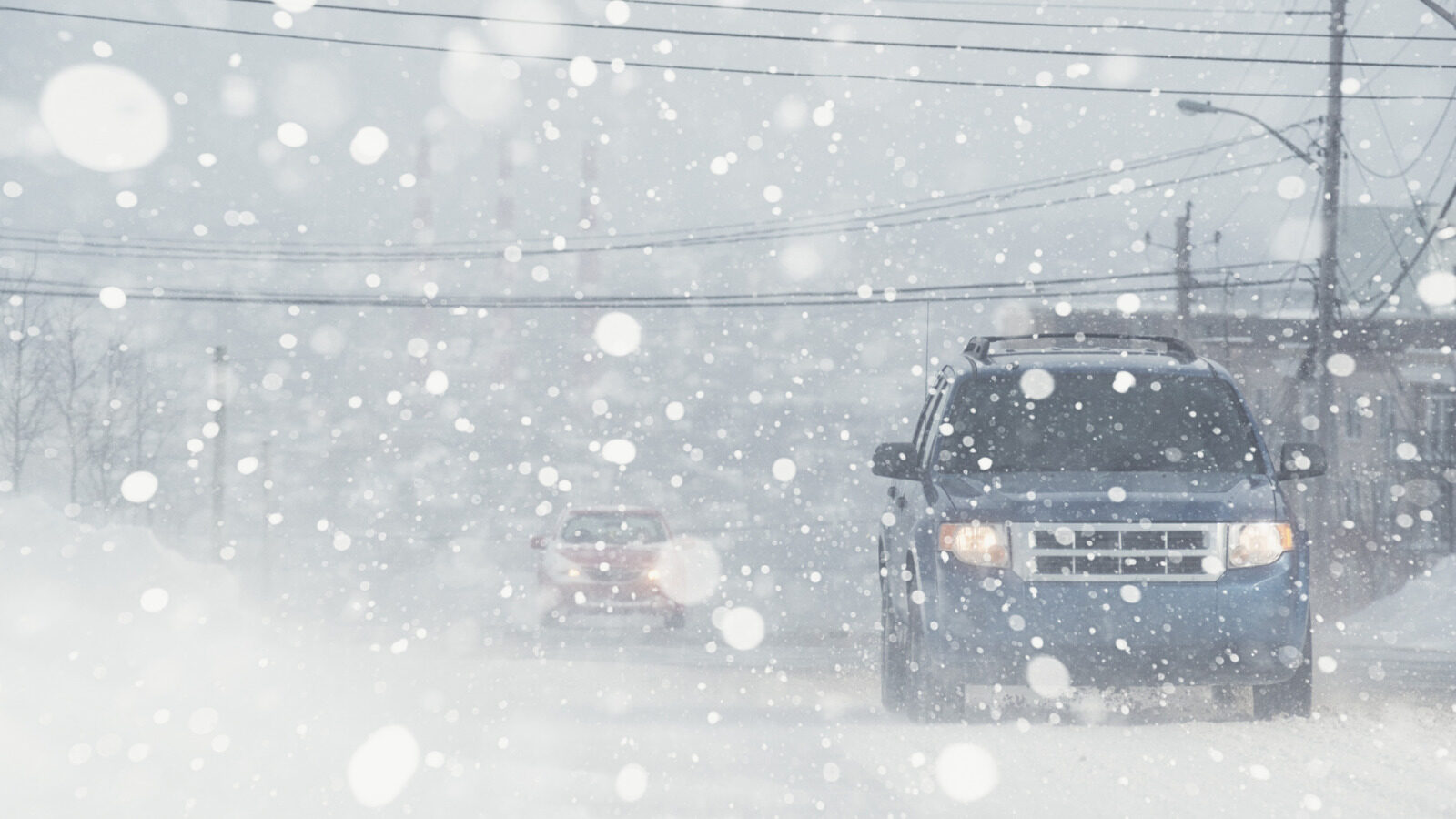
When the northern polar vortex weakens or breaks, it can lead to severe winter weather across populated areas, particularly in the Midwest and Northeast of the United States. Cities like New York, Chicago, and Washington, D.C., often bear the brunt of these extreme cold spells.
The consequences of polar vortex disruptions
The repercussions of a polar vortex break can be far-reaching, affecting not only weather patterns but also economic activities and public health. The most immediate consequences include:
- Extreme cold temperatures: Regions that typically experience milder winters can suddenly face Arctic-level freezing conditions.
- Disruption of travel: Airports and major highways may experience delays or closures due to severe weather, impacting transportation and logistics.
- Economic costs: The financial toll can be significant; for instance, the winter of 2014 cost the U.S. economy approximately $4 billion due to travel disruptions and power outages.
Moreover, these weather extremes can strain public services and emergency resources, leading to increased energy demand, higher heating costs, and risks to public safety.
 Uninhabited Islands: Exploring Worlds Without People
The polar vortex and its influence on lower latitudes
The polar vortex has shown a tendency to intrude more frequently into lower latitudes, a phenomenon that has garnered attention since the exceptionally cold winter of 2014 in the United States. This year marked a notable shift, as the polar vortex pushed southward, leading to frigid conditions across states that rarely see such extreme weather.
In 2025, this intrusion occurred due to a sudden stratospheric warming event over Antarctica, which disrupted the southern polar vortex. As a result, changes in atmospheric pressure led to the northern polar vortex being pushed further south, affecting regions like Canada and the Midwest.
Sudden stratospheric warming events generally happen every two years in the Northern Hemisphere, while they are much rarer in the Southern Hemisphere. These events can lead to:
- Increased chances of polar vortex breaks.
- Disruption in normal weather patterns, leading to unexpected cold snaps.
- Complicated forecasts due to the unpredictability of weather changes.
The ongoing debates surrounding the implications of climate change on these events suggest a future where we may face more frequent and severe weather disruptions as the climate continues to evolve.
The future of the polar vortex and global weather patterns
As we look ahead, understanding the polar vortex’s behavior will be crucial in predicting and mitigating the impacts of severe weather. Climate models indicate that as global temperatures rise, the characteristics of the polar vortex may continue to change, leading to more frequent breaks and altered weather patterns. This necessitates a closer examination of how these changes will affect:
- Agricultural productivity: Unpredictable weather can impact planting and harvest seasons.
- Public health: Increased cold spells can exacerbate health issues, particularly among vulnerable populations.
- Infrastructure resilience: Cities and regions must adapt to the increasing likelihood of extreme weather, requiring investments in resilient infrastructure.
Ultimately, the polar vortex serves as a critical lens through which we can understand broader climate dynamics. By studying its patterns and changes, we can better prepare for the challenges that lie ahead, ensuring a proactive approach to climate-related issues.