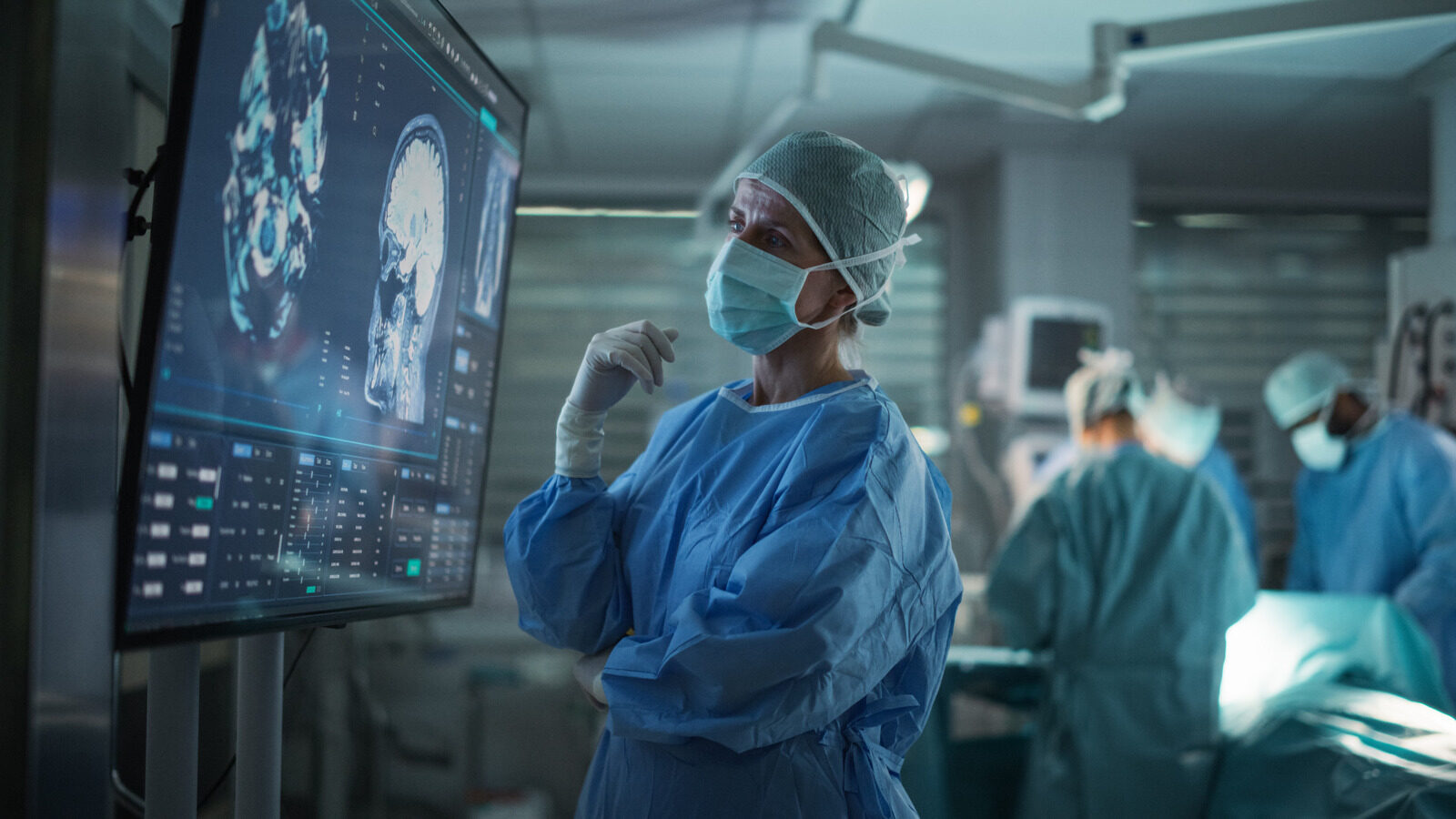
Have you ever stepped into a hospital and noticed a distinctive smell that lingers in the air? This scent often evokes feelings of discomfort or anxiety for many people. Understanding the origins of this “hospital smell” can shed light on the complex nature of cleanliness and health within these medical environments.
From disinfectants to psychological associations, the aroma of hospitals is a fascinating topic that intertwines both science and human experience. Let’s delve deeper into what causes this unique scent and its implications for patients and healthcare providers alike.
The origins of the hospital smell
When you enter a hospital, the first thing that strikes you is often the strong, sterile scent. This aroma is not merely the result of chance; it stems from a combination of disinfectants and antiseptics utilized to maintain cleanliness and prevent infections. These substances serve crucial roles in a healthcare environment, but they also contribute significantly to the distinctive smell we associate with hospitals.
Disinfectants are used extensively throughout hospitals to clean various surfaces, including:
- Walls and floors
- Medical instruments
- Furniture
- Equipment
On the other hand, antiseptics are employed to sterilize wounds and can also contribute to the hospital’s overall scent. Although the odors produced by antiseptics are generally less potent than those emitted by disinfectants, they still add to the olfactory experience in medical facilities. Common antiseptics include:
- Isopropyl alcohol
- Hydrogen peroxide
- Povidone-iodine
- Benzalkonium chloride
Interestingly, while some people may believe that hospitals use chemicals to mask unpleasant odors from infections or bodily fluids, this notion is largely a myth. Staff members may employ essential oils or Vicks Vaporub to cope with offensive smells, but these “natural” odors are typically confined to individual patient rooms. The pervasive scent of disinfectants, however, is what primarily defines a hospital’s aroma.
The chemistry behind hospital odors
While the smell of a hospital is primarily a product of chemical reactions, it’s essential to understand which specific substances are involved. Common disinfectants that contribute to the hospital smell include:
- Chlorine
- Hydrogen peroxide
- Peracetic acid
- Ammonia
Ammonia, in particular, is associated with household cleaners like Windex, leading some individuals to link the scent of glass-cleaning sprays with the “hospital smell.” These disinfectants emit acrid vapors that are characteristic of medical facilities, creating an unmistakable olfactory identity for hospitals.
The psychological component of hospital smells
The role of psychology in our perception of smells cannot be overlooked. The “hospital smell” is not solely a chemical phenomenon; it is also tied to our personal experiences and memories associated with medical environments. According to research, smell is the sense most closely linked to memory, which explains why certain odors can evoke strong emotional responses.
A 2000 study from Austria illustrated this connection by introducing a pleasant orange fragrance into a dental waiting room. The result was a notable decrease in patient anxiety and an improvement in mood. This indicates that the aromas present in a medical facility can significantly impact the psychological well-being of patients.
To enhance the atmosphere in hospitals, many facilities have begun incorporating elements such as:
- Plants and flowers in waiting areas
- Aromatherapy, including lavender, to alleviate stress
- Colorful decor to create a more welcoming environment
Historical context of hospital smells
Interestingly, the distinct smell of hospitals has evolved over time. Before the 19th century, medical professionals adhered to the miasma theory, which suggested that foul odors caused diseases. This belief, although incorrect, led to improved sanitary conditions, as hospitals were kept cleaner and waste was disposed of more responsibly.
With the advent of germ theory in the late 19th century, the focus shifted to the use of disinfectants and antiseptics to combat infections. Consequently, hospitals began to take on the characteristic smell we recognize today—an aroma that speaks to both the advancements in medical science and the ongoing battle against infectious diseases.
Modern implications of the hospital smell
Today, the hospital smell continues to evoke mixed feelings among patients, staff, and visitors. While it symbolizes cleanliness and care, it can also trigger anxiety and discomfort. Understanding this dual nature can guide hospital administrators in creating a more pleasant environment.
Some strategies that hospitals can implement to mitigate the negative psychological effects of their distinct smell include:
- Regularly updating air filtration systems to reduce the concentration of disinfectant odors
- Incorporating pleasant scents through scent marketing techniques
- Training staff to be mindful of the sensory experiences of patients
Ultimately, while the “hospital smell” may never be completely eradicated, a conscious effort can be made to improve the overall experience of patients and visitors. By balancing the need for cleanliness with the psychological impact of odors, hospitals can foster a more comforting atmosphere.