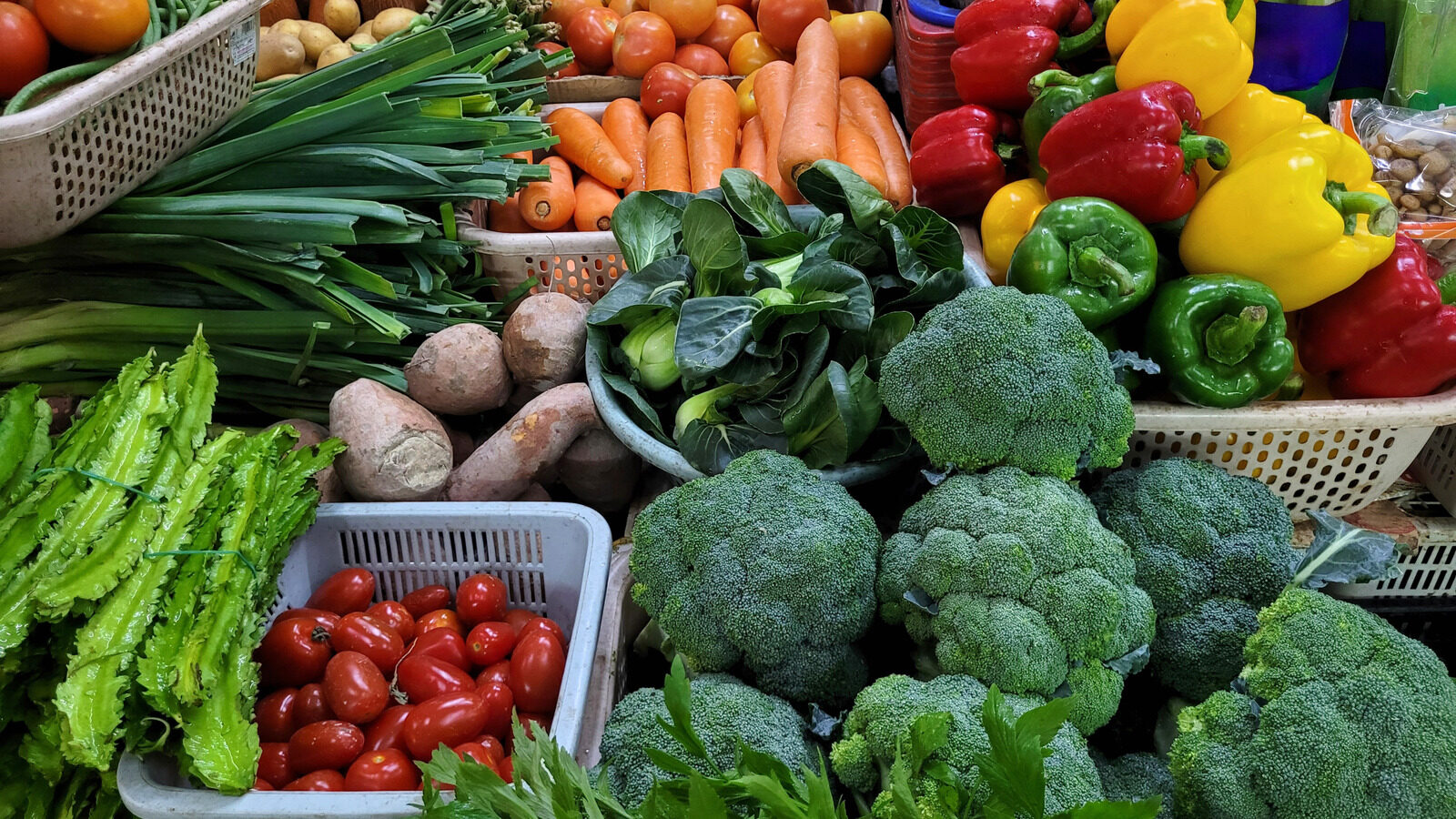
Watercress is often overlooked in our diets, but this remarkable vegetable is gaining attention for its impressive health benefits. As research continues to highlight its nutritional power, it’s becoming clear that watercress is more than just a salad garnish; it could play a significant role in preventing chronic diseases, particularly cancer.
Packed with nutrients, this leafy green is not only delicious but also supports overall health. Let’s explore the reasons why watercress deserves a prominent place on your plate.
Understanding the Nutritional Power of Watercress
Watercress (Nasturtium officinale) is a nutrient-dense vegetable that belongs to the cruciferous family, which includes other well-known vegetables such as broccoli, kale, and cabbage. Nutrient density refers to the amount of essential nutrients a food contains relative to its calorie count. In a study published in the CDC-supported journal Preventing Chronic Disease, watercress topped the list of the most nutrient-dense foods, showcasing its remarkable health benefits.
Watercress is low in calories yet rich in a variety of vitamins and minerals, including:
- Vitamin K: Essential for blood clotting and bone health.
- Vitamin C: A potent antioxidant that supports the immune system.
- Vitamin A: Important for vision and skin health.
- Calcium: Crucial for bone health and muscle function.
- Iron: Necessary for blood production and oxygen transport.
- Folate: Vital for DNA synthesis and repair.
How does watercress fight cancer?
The cancer-fighting properties of watercress can be attributed to a group of chemicals known as glucosinolates. These compounds are prevalent in cruciferous vegetables and are believed to help the plant defend itself against pests and diseases. When the plant’s cells are damaged, glucosinolates are converted into isothiocyanates (ITCs) through a reaction with another enzyme called myrosinase. These ITCs are the active compounds that exhibit anti-cancer properties.
One of the most significant ITCs found in watercress is phenethyl isothiocyanate (PEITC). Research suggests that PEITC can:
- Induce natural cell death in cancerous cells, preventing their proliferation.
- Inhibit metastasis, the process by which cancer spreads to other parts of the body.
- Enhance the effectiveness of chemotherapy drugs by reversing drug resistance.
- Activate tumor-suppressing genes like tp53, which play a role in regulating cell growth.
A 2007 study highlighted that incorporating 85 grams of watercress into the daily diet led to a significant reduction in DNA damage, particularly among smokers, indicating its protective effects against cancer.
The broader health benefits of watercress
While watercress is celebrated for its cancer-fighting properties, its health benefits extend far beyond oncology. Numerous studies have documented its positive effects on various aspects of health:
- Anti-inflammatory properties: Watercress contains compounds that reduce inflammation, which is linked to numerous chronic diseases.
- Cardiovascular health: It helps to manage cholesterol levels, specifically lowering LDL cholesterol, which is beneficial for heart health.
- Blood sugar regulation: Watercress has shown potential in improving insulin sensitivity and regulating glucose levels, making it a valuable addition for those with diabetes.
- Respiratory health: Its extracts have been studied for their ability to alleviate symptoms of chronic respiratory diseases.
Best ways to incorporate watercress into your diet
If you’re eager to experience the health benefits of watercress, consider these tips for incorporating it into your meals:
- Fresh salads: Add raw watercress to salads for a peppery flavor and a nutrient boost.
- Smoothies: Blend it into your morning smoothie for an easy way to consume this powerhouse vegetable.
- Soups: Watercress can be a fantastic ingredient in soups; add it at the end of cooking to retain its nutrients.
- Wraps and sandwiches: Use it as a filling in wraps or sandwiches instead of lettuce for added flavor and nutrition.
It’s important to note that the way you prepare watercress can significantly impact its health benefits. Boiling can destroy many of the beneficial compounds, whereas steaming or eating it fresh retains its nutritional value.
Conclusion: A small vegetable with significant health impacts
Watercress stands out as one of the most nutritious vegetables, offering a range of health benefits that extend beyond cancer prevention. Its rich nutrient profile and bioactive compounds make it a valuable addition to any diet. Whether you enjoy it fresh in salads, blended into smoothies, or cooked in soups, incorporating watercress can contribute positively to overall health.
So, the next time you’re at the grocery store or farmers’ market, consider picking up some watercress. Your body will thank you!