Have you ever wondered how certain mushrooms can cause vivid and unusual hallucinations? Among the various types of hallucinogenic fungi, one stands out due to its unique effects and the perplexity it brings to scientists. This article delves into the fascinating world of the Lanmaoa asiatica mushroom, a species that induces visions of tiny people and has intrigued both locals and researchers alike.
The intricate relationship between mushrooms and their hallucinogenic properties has been a topic of interest for centuries. While many mushrooms are known for their psychoactive effects, L. asiatica presents a mystery that challenges traditional understandings of how these substances work. Let’s explore this unusual fungus and its striking characteristics.
Understanding L. asiatica and its Unique Effects
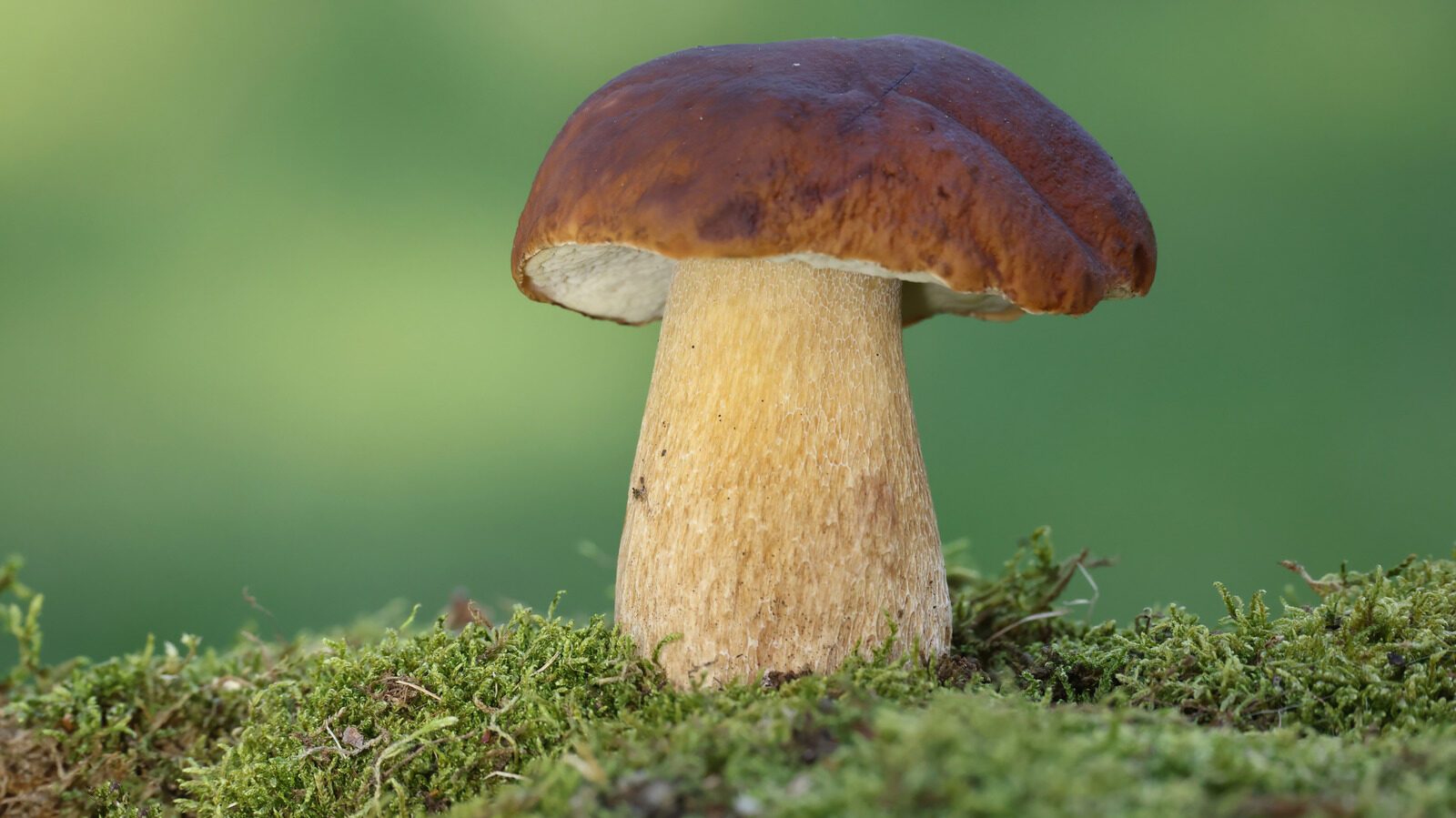
In the lush landscapes of China’s Yunnan Province, L. asiatica, commonly referred to as “Jian shou qing,” has been part of local culture for generations. This mushroom, which changes from yellow to blue when picked due to oxidation, has a significant culinary role but also a dark side: it can cause intense hallucinations of small human figures.
Reports of these hallucinations, known colloquially as “xiao ren ren,” have persisted for decades. Patients often flock to hospitals in the summer months, complaining of visions of tiny people scuttling across surfaces. But what exactly triggers such vivid and consistent hallucinations?
- Over 200 types of mushrooms are known for their psychoactive effects.
- L. asiatica was scientifically identified only in 2015.
- The name “Jian shou qing” reflects its color-changing properties.
- Local cuisine often incorporates L. asiatica, but it must be cooked thoroughly to avoid hallucinations.
The Mystery of Lilliputian Hallucinations
Hallucinations featuring miniature beings, or Lilliputian hallucinations, draw their name from Jonathan Swift’s “Gulliver’s Travels,” where the protagonist encounters tiny inhabitants of the fictional island of Lilliput. These hallucinations typically manifest as clusters of diminutive figures, often numbering in the thousands.
The characteristics of Lilliputian hallucinations are fascinating:
- Figures are generally a few inches tall.
- They are often observed interacting with real-world objects.
- These experiences can occur in large groups, enhancing the surreal aspect of the hallucination.
While such hallucinations can be linked to various health conditions, including brain injuries and psychiatric disorders, they are not commonly associated with traditional hallucinogenic mushrooms, which primarily contain psilocybin. This discrepancy raises questions about the unique biochemical properties of L. asiatica.
The Scientific Journey to Understand L. asiatica
Colin Domnauer, a Ph.D. student at the University of Utah, has undertaken a comprehensive study of L. asiatica. His travels to regions where the mushroom thrives, such as China, the Philippines, and Papua New Guinea, have allowed him to gather firsthand accounts and samples from those who consume it.
Despite extensive chemical analyses, no known psychoactive compounds have been identified in L. asiatica. This has led Domnauer to hypothesize the existence of an undiscovered compound responsible for the mushroom’s hallucinogenic effects.
In his research, Domnauer has achieved significant milestones:
- Identified four new varieties of Lanmoa mushrooms.
- Developed a database to catalog all species within the genus.
- Gathered qualitative data from local populations regarding their experiences with L. asiatica.
Cultural Significance and Culinary Use of L. asiatica
The dual role of L. asiatica in both cuisine and potential psychotropic experiences reflects its complex relationship with the local culture. In Yunnan, this mushroom is a delicacy that locals enjoy in various dishes, but preparation is key to avoiding its hallucinogenic effects.
When cooked properly, L. asiatica can be a flavorful addition to meals, yet even slight undercooking can lead diners to experience the surreal visions associated with it. This cultural approach to the mushroom underscores a broader understanding of food safety and the interplay between culinary practices and consciousness.
Comparing L. asiatica with Other Hallucinogenic Mushrooms
Unlike L. asiatica, many other hallucinogenic mushrooms, often referred to as “magic mushrooms,” contain psilocybin, which is the primary compound responsible for their psychoactive properties. Here’s how L. asiatica differs from these traditional varieties:
| Mushroom Type | Active Compound | Common Effects |
|---|---|---|
| Lanmaoa asiatica | Unknown | Visions of tiny people |
| Psilocybe cubensis | Psilocybin | Visual distortions, euphoria |
| Psilocybe semilanceata | Psilocybin | Altered perception, increased creativity |
The differences in active compounds lead to varied experiences, making L. asiatica a unique case in the study of hallucinogenic fungi.
Future Research Directions
The quest to uncover the secrets of L. asiatica continues, with researchers like Domnauer pushing the boundaries of our understanding of fungi and their effects on human perception. Discovering the unknown compound responsible for the mushroom’s hallucinogenic properties could open new avenues for both scientific inquiry and potential therapeutic applications.
As the research unfolds, L. asiatica stands as a testament to the intricate relationship between nature and human experience, challenging our perspectives on the boundaries of reality and perception. The combination of cultural significance, culinary application, and the allure of its mysterious effects makes this mushroom a focal point in the ongoing exploration of psychoactive substances.