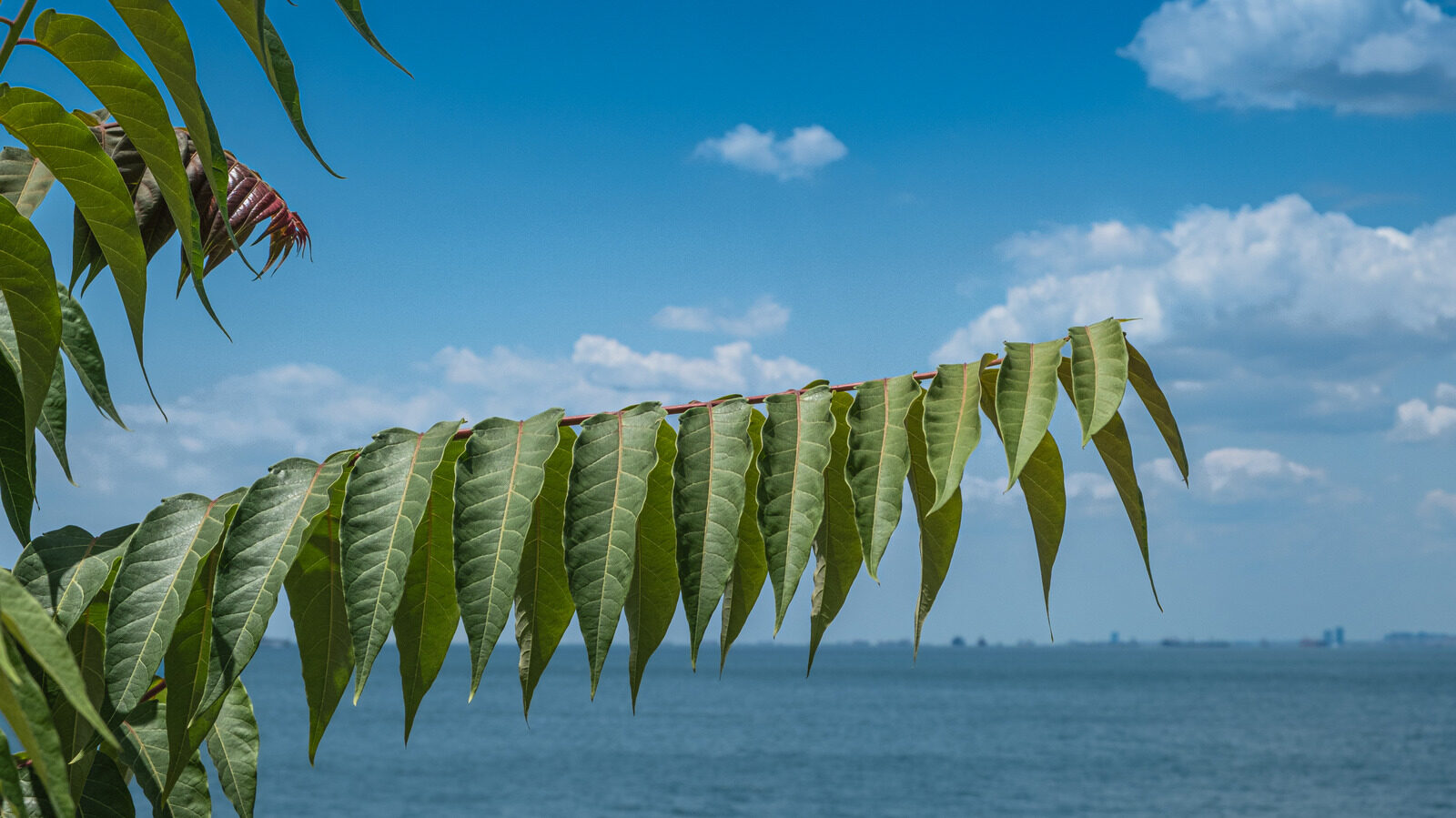
Have you ever considered planting a tree in your backyard to enhance its beauty and provide shade? While many trees can be excellent additions to residential landscapes, some species carry hidden dangers. One such species is the notorious tree of heaven, a plant whose beauty is overshadowed by its invasive nature. Understanding why this tree should be avoided is essential for any homeowner.
This article explores the tree of heaven, its destructive impact, and the alarming alliance it forms with other invasive species. Let’s delve deeper into this topic to uncover the reasons behind the urgency of addressing this issue.
The invasive nature of the tree of heaven
The tree of heaven (Ailanthus altissima), often mistakenly considered an ornamental tree, has a deceptive beauty. Its lush green leaves and rapid growth can initially attract homeowners; however, this tree is among the most invasive species in the United States. Originally from northeastern China, it was introduced to North America in the late 18th century.
The tree can grow astonishingly fast, reaching heights of up to 75 feet and spreading its roots over a vast area. Its prolific reproduction is alarming; a single tree can produce hundreds of thousands of seeds annually. These seeds are designed to disperse widely, enabling the tree to colonize large areas quickly. Additionally, its root system releases allelopathic chemicals that inhibit the growth of surrounding plants, ensuring that it outcompetes them for resources.
Here are some key characteristics of the tree of heaven that contribute to its invasive status:
- Rapid Growth: Can grow over 15 feet per year.
- High Reproductive Rate: Produces hundreds of thousands of seeds each season.
- Aggressive Root System: Roots can extend into sewer systems and cause infrastructure damage.
- Chemical Warfare: Roots release toxins that suppress other plant species.
Compounding the problem: the relationship with the spotted lanternfly
The tree of heaven has become a significant problem not only for its invasive nature but also for its role as a host for the spotted lanternfly (Lycorma delicatula). This insect, native to Asia, has rapidly invaded North America since its introduction in 2014 and has been wreaking havoc on local ecosystems.
The spotted lanternfly thrives on the sap of the tree of heaven, which provides an ideal breeding ground. The overlap in their habitats means that areas where the tree of heaven grows are also prime targets for the lanternfly. This relationship accelerates the spread of both species, leading to cascading ecological consequences.
Key points about the interaction between these two invasive species include:
- Mutual Benefit: The tree of heaven offers abundant sap for the lanternfly, encouraging its reproduction.
- Increased Infestation: More lanternflies mean a heightened threat to local flora, as they feed on various native tree species.
- Widespread Damage: Forest ecosystems suffer as both species disrupt the balance, leading to the decline of native plants.
The ecological impact of invasive species
The introduction of invasive species like the tree of heaven and the spotted lanternfly poses a severe threat to native ecosystems. These species create imbalances that can lead to long-term environmental changes, affecting biodiversity, soil health, and overall ecosystem stability.
 Average Lifespan of Bowhead Whales May Surprise You
Invasive species can cause:
- Biodiversity Loss: Native plants and animals struggle to compete, leading to reduced populations or extinctions.
- Altered Ecosystems: Changes in soil composition and nutrient availability can harm native species.
- Economic Consequences: Agriculture and forestry industries may face significant losses due to infestation by these pests.
Effective strategies for prevention and management
Preventing the spread of the tree of heaven is crucial for protecting local ecosystems. Homeowners and communities can take several proactive steps to manage this invasive species:
- Educate Yourself: Understand the characteristics of the tree of heaven and its impact on the environment.
- Avoid Planting: Refrain from planting tree of heaven in gardens or yards, opting for native alternatives instead.
- Report Infestations: Notify local environmental agencies if you suspect the presence of this species.
- Control Measures: If already present, consider employing professional services for effective removal, as manual removal is often ineffective.
Understanding the challenges in eradication
Eradicating the tree of heaven once it has established itself is a significant challenge. Simple cutting does not suffice, as the roots can send out new shoots. Moreover, the tree’s extensive root system often extends into underground utilities, complicating removal efforts.
Here are some difficulties associated with its eradication:
- Resilience: The tree’s ability to regenerate from roots makes complete removal challenging.
- Herbicide Use: While herbicides can effectively kill the tree, they may also harm surrounding vegetation and soil health.
- Long-term Commitment: Regular monitoring and repeated treatment may be necessary to manage the problem effectively.
Promoting native species as alternatives
One of the most effective strategies for combating invasive species is to promote the planting of native trees and plants. Native species are adapted to local ecosystems and provide essential services such as food and habitat for wildlife, improved soil health, and better water retention.
Some benefits of planting native species include:
- Support for Local Wildlife: Native plants provide shelter and food for local fauna.
- Improved Resilience: Native species are more resilient to local pests and diseases.
- Biodiversity Enhancement: Planting diverse native species can help restore ecological balance.