The ocean, often seen as a vast and mysterious expanse, is on the verge of witnessing a historical transformation. The SS United States, an iconic maritime vessel, is set to become the world’s largest artificial reef. This initiative not only pays homage to the ship’s storied past but also contributes to vital environmental restoration efforts. In this article, we will explore the remarkable journey of the SS United States, its legacy as a technical marvel, and the ambitious plans that will ensure it serves a new purpose beneath the waves.
The SS United States: A Historic Engineering Marvel
The SS United States, launched in the early 1950s, stands as a pinnacle of American naval engineering. Built during a time marked by technological innovation, the ship was crafted to be both functional and breathtaking. Measuring an impressive 990 feet in length and 101 feet at its widest point, it holds the record as the largest passenger ship ever constructed in the United States.
What makes the SS United States particularly notable is its unparalleled speed. Designed with a lightweight aluminum frame, the ship could reach astonishing speeds of up to 44 miles per hour. This characteristic allowed it to make history by completing the fastest transatlantic crossing in just three and a half days—an achievement that still stands today.
Beyond speed, the ship was engineered with safety in mind. Its design eliminated the need for expansion joints, which could compromise structural integrity upon collision. Additionally, the SS United States was constructed to be fire-resistant, with only minimal wooden components. This level of engineering foresight was particularly essential in the context of its time, as the ship was developed during the Cold War and served a dual purpose of luxury and potential military utility.
- Launched: 1952
- Length: 990 feet
- Speed: Up to 44 miles per hour
- Record: Fastest transatlantic crossing
- Fireproof construction
The Decline of a Maritime Icon
Despite its remarkable capabilities, the SS United States faced an unpredictable fate. The ship was taken out of service in 1969 as air travel surged in popularity, making ocean liners like the SS United States financially unfeasible to operate. The vessel changed hands several times and spent nearly three decades docked in Philadelphia, often without a clear future.
In the 1990s, efforts to preserve the ship gained traction, but it was not until 2024 that a significant turning point occurred. Okaloosa County in Florida acquired the vessel with the ambitious plan to transform it into an artificial reef. This transition represents not only a new chapter for the ship but also an innovative solution to pressing environmental challenges.
The Environmental Impact of Artificial Reefs
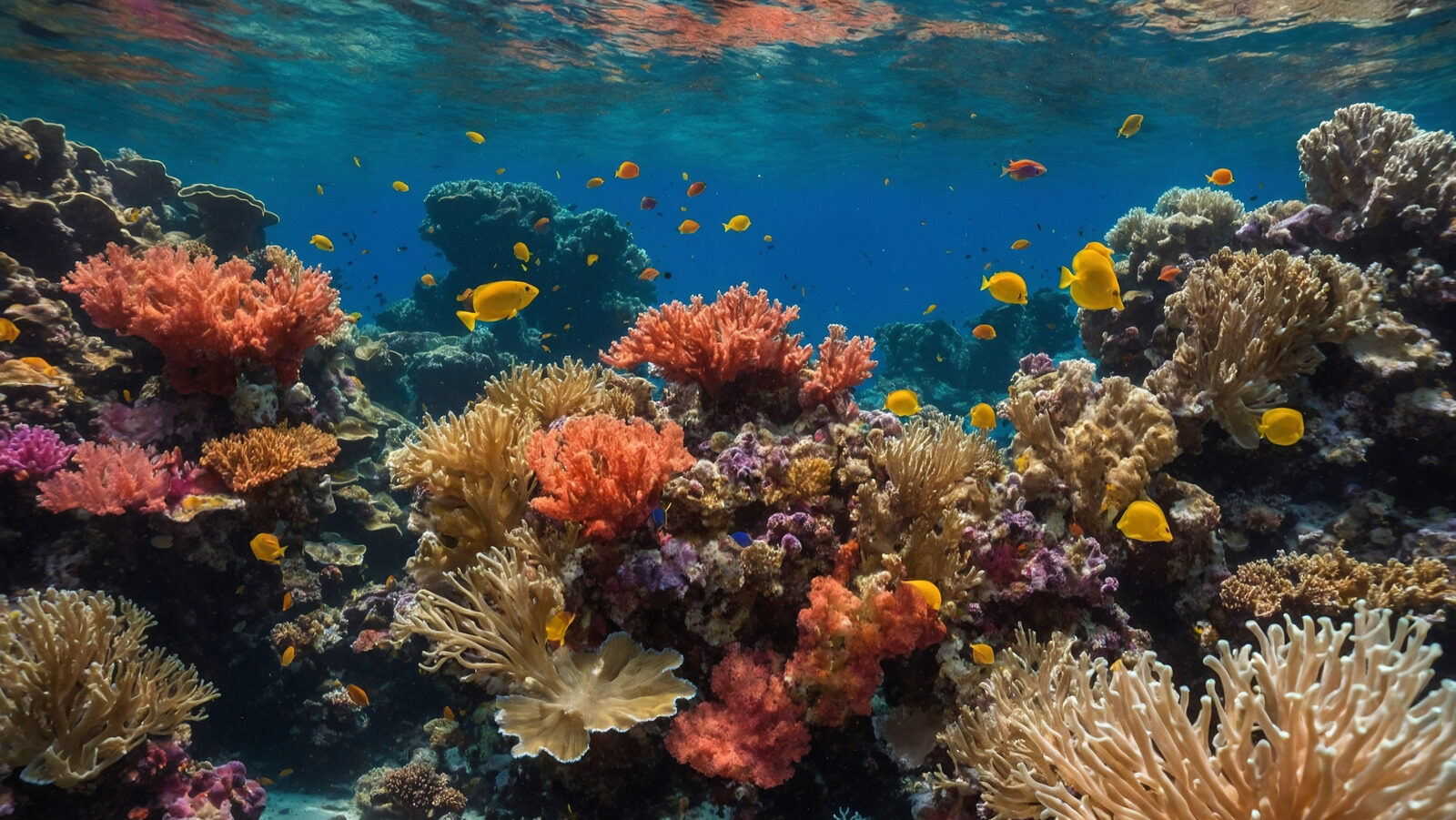
The creation of artificial reefs is increasingly recognized as a powerful strategy for marine restoration. As natural coral reefs face devastating threats from climate change, pollution, and overfishing, artificial reefs offer a lifeline for marine biodiversity. By providing a substrate for coral and other marine life, these man-made structures can help to rejuvenate ecosystems that have been significantly depleted.
- Combatting coral reef degradation
- Providing habitats for marine species
- Encouraging biodiversity
- Supporting local fisheries
- Boosting ecotourism
The Plan for the SS United States as an Artificial Reef
The transformation of the SS United States into an artificial reef is no small endeavor. Before the sinking can occur, extensive preparations are necessary to ensure environmental safety. The ship was relocated to Mobile, Alabama, for thorough cleaning, which includes removing hazardous materials such as plastics, glass, and chemicals that could harm marine life.
Once ready, the SS United States will be towed to a designated site approximately 32 nautical miles southeast of Pensacola. The plan is to sink the ship to a depth of 180 feet, with the upper decks resting about 60 feet below the water’s surface. This strategic placement aims to maximize the potential for coral growth and marine habitation.
The sinking is scheduled for early 2026 and is anticipated to create a significant new habitat for various marine species. However, there are also concerns regarding the potential impact of increased tourism, as the area could attract divers and marine enthusiasts. Balancing the benefits of ecotourism with the need for environmental protection will be critical as this project unfolds.
The Future of the SS United States: A Legacy Beneath the Waves
As the SS United States prepares to take on its new role beneath the waves, its legacy will endure in various forms. The ship’s story resonates with themes of innovation, resilience, and the intersection of human activity with nature. By transitioning from a vessel of luxury to a habitat for marine life, the SS United States exemplifies a profound shift in how we view and utilize our maritime heritage.
In addition to serving as an artificial reef, the project highlights the urgent need for sustainable practices in marine environments. It serves as a testament to the importance of preserving and restoring our oceans, ensuring that future generations can appreciate the beauty and diversity of marine ecosystems.
The Broader Implications for Marine Conservation
The sinking of the SS United States as an artificial reef is emblematic of broader efforts aimed at marine conservation. As global awareness of environmental issues continues to grow, innovative projects like this demonstrate the potential for repurposing human-made structures to support ecological recovery.
Various organizations and governments are increasingly investing in similar initiatives, recognizing that artificial reefs can play a vital role in enhancing marine habitats and supporting biodiversity. These efforts align with global conservation goals and underscore the importance of collaborative approaches to environmental stewardship.
Conclusion
The journey of the SS United States from a remarkable ocean liner to the world’s largest artificial reef is a powerful narrative of transformation. It encapsulates the intertwined fates of human innovation and environmental restoration. As we look forward to its sinking in 2026, we are reminded of our responsibility to protect and nurture the natural world, ensuring that the seas remain vibrant and full of life.