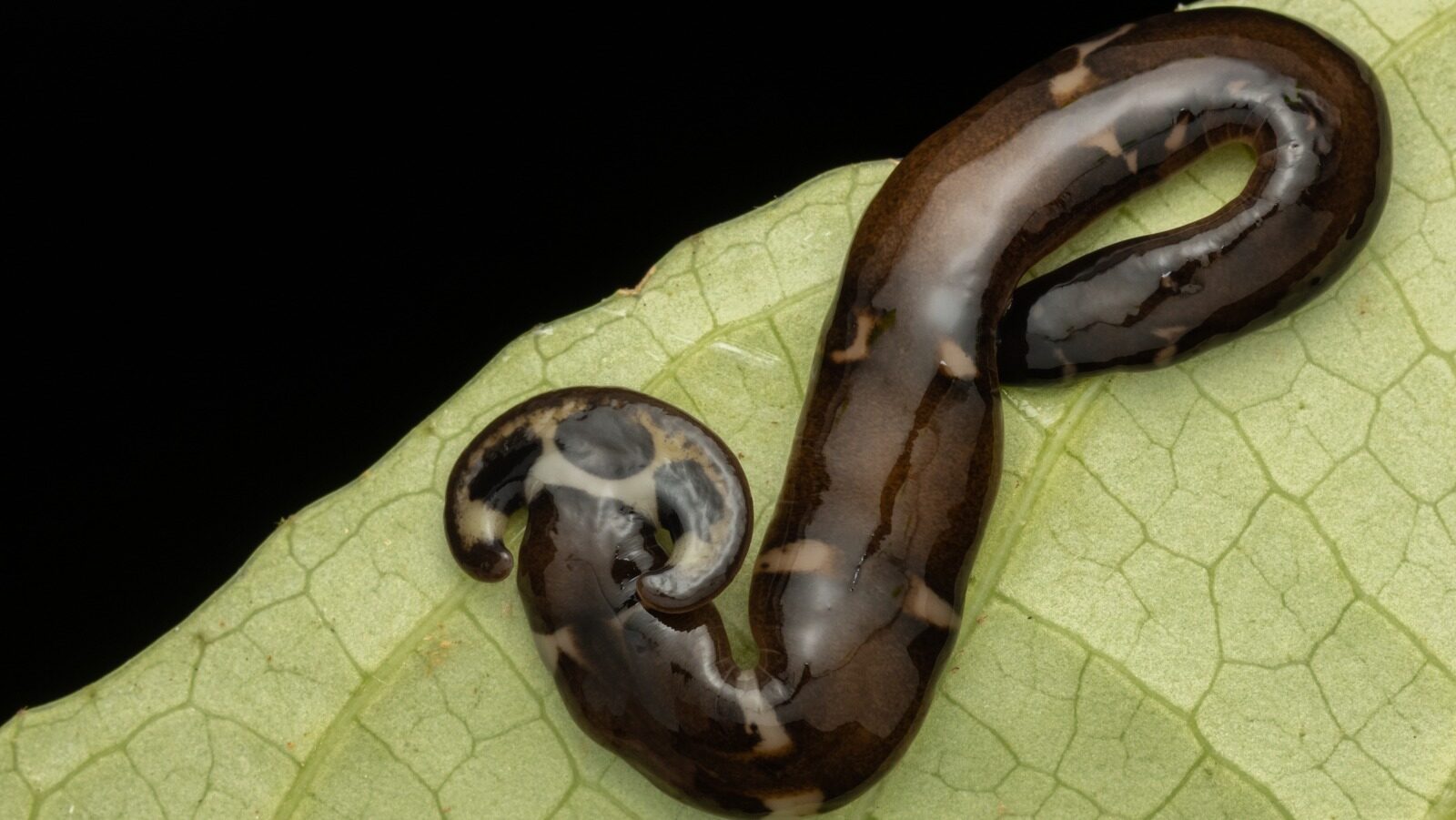
Have you ever encountered a worm that resembles a shark? The hammerhead worm, with its distinctive shape and unsettling ability to regenerate, certainly challenges our understanding of these creatures. Discover why you should think twice before squishing one of these intriguing yet potentially harmful worms.
While we typically associate worms with earthworms, the hammerhead worm stands out due to its unique appearance and unsettling biological traits. Not only do they look different, but they are also toxic and capable of multiplying in a way that seems almost like science fiction. Let’s dive deeper into the world of hammerhead worms, their characteristics, and the best practices for dealing with them.
Understanding the hammerhead worm’s characteristics and habitats
The hammerhead worm, belonging to the land planarian family (Geoplanidae), is notable for its distinctive head shape, which resembles that of a hammerhead shark. These worms are typically found in tropical regions but have also established populations in North America, with at least 15 known species in the U.S. Some species, like Bipalium kewense (the shovel-headed garden worm), are considered invasive and can pose a threat to local ecosystems.
The hammerhead worm is often yellow-brown, adorned with dark stripes running along its body, and can grow over a foot in length. This length, combined with their unique shape, makes them a striking sight in gardens and soil. Their diet primarily consists of various invertebrates, such as:
- Earthworms
- Slugs
- Snails
These creatures are not only predatory but also resilient, making them a formidable presence in any habitat they invade.
Regeneration: A remarkable and unsettling ability
One of the most fascinating and concerning aspects of hammerhead worms is their ability to regenerate from body fragments. This process, known as asexual fissioning, allows them to create new worms from broken pieces of their bodies. Unlike earthworms, which can reproduce through parthenogenesis but cannot regenerate like hammerheads, these worms turn injury into a means of propagation.
When hammerhead worms move through the soil, it’s not uncommon for parts of their tails to break off. Within days, these fragments can develop into new worms, contributing to their rapidly growing populations. This regenerative capability poses a significant challenge for controlling their numbers, especially as they predate on essential soil organisms.
The dangers of squishing hammerhead worms
Given their unique regenerative abilities, squishing or cutting hammerhead worms is not advisable. When harmed, these worms can multiply, making squishing them counterproductive. Moreover, they secrete a potent toxin similar to that found in pufferfish, which can incapacitate their prey and potentially irritate human skin. Though no serious injuries have been documented, it’s wise to exercise caution when handling them.
Those who come into contact with hammerhead worms may experience skin irritation, and pets that consume them can suffer from gastrointestinal distress. Therefore, using gloves is strongly recommended when handling these creatures, as their toxin can have adverse effects on both humans and animals.
 Uninhabited Islands: Exploring Worlds Without People
Effective methods for disposing of hammerhead worms
So, if squishing them isn’t an option, how should you deal with hammerhead worms? Various methods are suggested for safely disposing of these invasive pests:
- Place them in a sealed bag and freeze for up to 48 hours.
- Submerge them in soapy water.
- Use a mixture of water and bleach (1:1 ratio).
- Apply salt, vinegar, or citrus oil to shrivel them up.
These methods ensure that the hammerhead worms are effectively eliminated without contributing to their reproduction.
The ecological impact of hammerhead worms
The ecological implications of hammerhead worms are still being studied. With their introduction to ecosystems in the U.S. dating back over a century, their long-term effects on native species and soil health are not fully understood. Some experts maintain that while they pose a threat, the immediate impact may be relatively minimal.
However, a 2022 study published in the journal Diversity and Distributions raises concerns about their expanding range in non-native habitats. As they prey on earthworms—critical organisms for soil health—the potential consequences of their continued spread can disrupt local ecosystems.
Current distribution and awareness efforts
The presence of hammerhead worms has been noted across various states, particularly in the southeastern U.S., California, and Washington. Maine has also reported sightings of these worms, prompting the Maine Department of Inland Fisheries & Wildlife to warn residents against squishing them, as doing so promotes their multiplication. This initiative is vital for protecting the state’s natural resources.
In light of their invasive nature and potential to disrupt ecosystems, residents are encouraged to remain vigilant. Awareness campaigns and educational resources are crucial to informing the public about the proper handling and disposal of hammerhead worms, ensuring that they do not become a significant ecological concern.