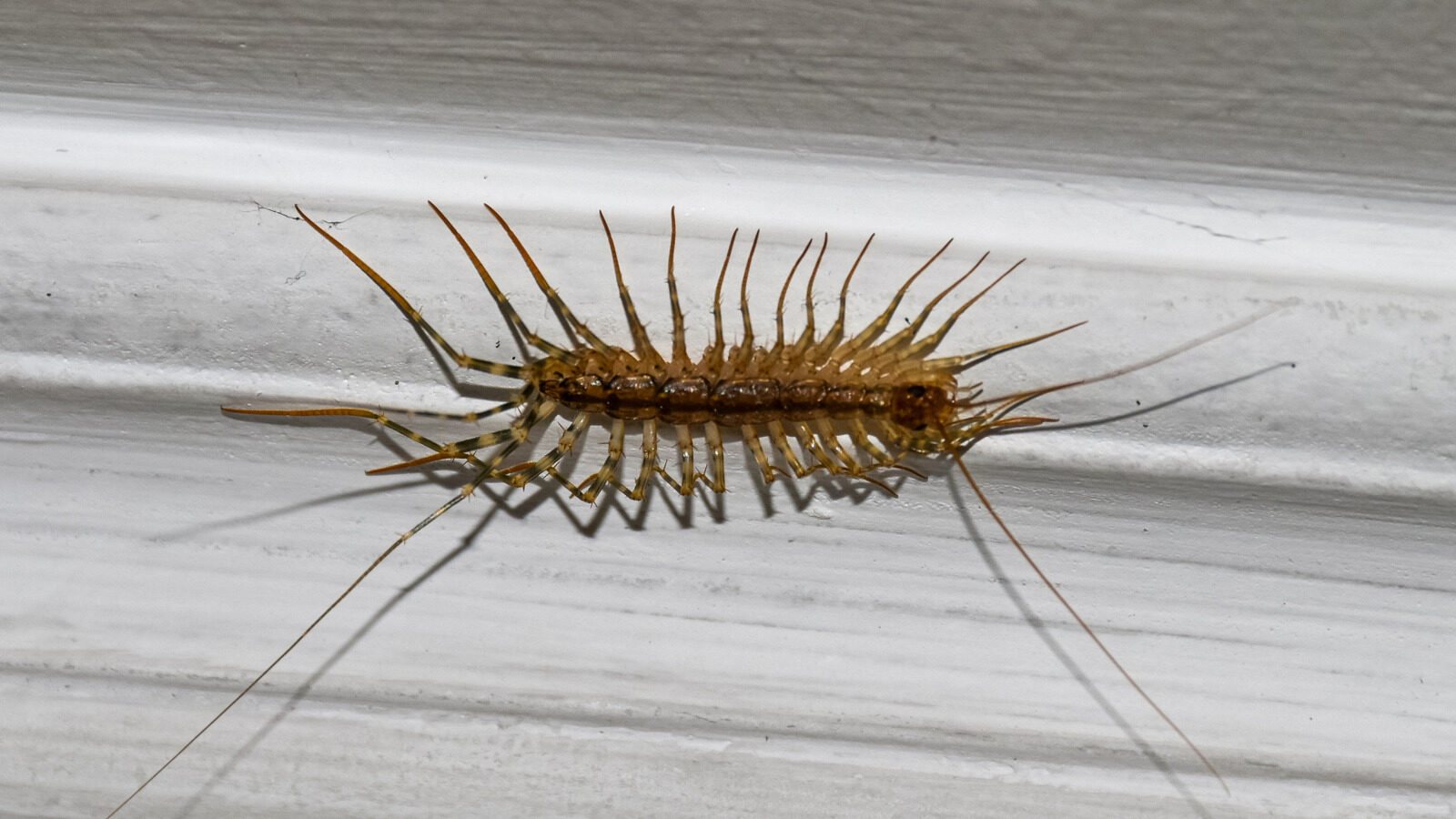
Encountering a centipede in your home can be startling, to say the least. With their many legs and slithery movements, they can evoke a sense of discomfort. However, instead of reaching for a shoe or some other item to crush them, consider the unexpected benefits they offer and how to handle their presence more effectively.
Centipedes play a vital role in controlling pest populations, making them more beneficial than they seem. Understanding their ecology and behavior can help you manage them in your home without resorting to lethal measures.
Why centipedes are more beneficial than you think
Centipedes, often perceived as creepy crawlies, are actually quite beneficial to have around the house. They primarily feed on a variety of common household pests that can cause more significant issues. Their diet includes:
- Ants
- Cockroaches
- Termites
- Silverfish
- Carpet beetle larvae
- Spiders
By consuming these pests, centipedes can help reduce the population of insects that may damage your home or invade your personal space. Unlike many other household pests, centipedes do not consume human food, meaning their presence is less likely to lead to contamination or other health concerns.
Understanding centipede behavior and habitat
Centipedes thrive in environments that provide moisture and shelter, making homes an attractive habitat for them. They prefer dark and damp areas, such as:
- Basements
- Bathrooms
- Under sinks
- Cracks in walls
- Near plumbing fixtures
Understanding where centipedes live can help mitigate their presence in your home. By targeting these areas for moisture control and sealing potential entry points, you can create a less welcoming environment for them.
How to remove centipedes safely
If you find a centipede in your home and want to relocate it, it’s essential to do so without harming it. Here’s a simple method to safely capture and release a centipede:
- Gather a clear container, such as a glass or plastic cup, that is large enough to fit over the centipede.
- Gently place the container over the centipede, being careful not to crush its legs.
- Slide a thin piece of cardboard or stiff paper underneath the container to trap the centipede inside.
- Once captured, take it outside—ideally about 10 feet from your home—preferably in a shaded area with brush or bushes.
This method allows you to maintain a pest-free environment without resorting to lethal measures, thus preserving the natural balance in your ecosystem.
Preventing centipedes from returning
After successfully removing centipedes from your home, it’s essential to implement strategies to prevent their return. Here are several effective steps:
- Eliminate food sources: Keep your home free of other pests, as centipedes will follow the food.
- Reduce humidity: Use dehumidifiers in damp areas, such as basements and bathrooms, to create an inhospitable environment for centipedes.
- Seal entry points: Inspect your home for cracks and crevices where centipedes could enter and seal these openings with caulk or weatherstripping.
- Maintain cleanliness: Regularly vacuum and dust to remove potential food sources and hiding spots.
By taking these preventative measures, you can keep both centipedes and other household pests at bay.
When to consider professional pest control
While centipedes are generally harmless and beneficial, an overpopulation can indicate a more significant pest issue. If you frequently see centipedes in your home despite taking preventive measures, it might be time to consider professional pest control options. Signs that you may need professional help include:
- Frequent sightings of multiple centipedes in a short period
- Presence of other pests, such as cockroaches or ants
- Signs of damage to your home, such as chewed wood or droppings
Professional pest control services can assess your situation, identify underlying issues, and help implement a comprehensive pest management plan tailored to your home.
The ecological perspective on centipedes
From an ecological standpoint, centipedes play a crucial role in maintaining the balance of the ecosystems they inhabit. They are natural predators of many pests, which helps regulate their populations. This role is particularly important in urban environments, where traditional predators may be less prevalent.
Moreover, centipedes contribute to the overall health of gardens and ecosystems by controlling pest populations naturally, reducing the need for chemical pesticides that can harm beneficial insects and plants.
Conclusion: Embracing the role of centipedes in your home
Understanding the benefits of centipedes can change your perspective on these often-misunderstood arthropods. Rather than viewing them as unwanted intruders, recognizing their role in pest control can lead to a more harmonious coexistence. By implementing safe removal techniques and preventative measures, you can effectively manage their presence in your home while appreciating the ecological balance they contribute to.