As we navigate through the complexities of environmental preservation, we often focus on the more visible threats like climate change and pollution. However, beneath the surface, there are insidious invaders that silently wreak havoc on our ecosystems. Among them is the hemlock woolly adelgid, a tiny pest that poses a significant risk to our national parks and forests. Understanding its impact and the efforts to control it is crucial for the future health of these vital natural spaces.
The hemlock woolly adelgid: a tiny yet formidable threat
The hemlock woolly adelgid (Adelges tsugae) is an invasive insect that has emerged as a major threat to hemlock trees across the eastern United States. This minuscule pest, often compared to an aphid, has a life cycle and feeding habits that allow it to destabilize entire ecosystems. Once it infests a tree, the consequences can be dire.
Hatching from tiny eggs, the first stage of the hemlock woolly adelgid’s life cycle produces nymphs known as crawlers, measuring only about 0.2 millimeters in diameter. These nymphs are identifiable by their distinctive white, cottony ovisacs, which can be seen on the undersides of hemlock needles. The adults, which grow to about 1 to 1.5 millimeters long, have an oval shape and can vary in color from brown to red.
The hemlock woolly adelgid has a unique reproductive cycle, with different generations emerging at various times of the year. Summer-hatching individuals enter dormancy, only to emerge in winter to lay eggs, while spring-hatching generations can reach adulthood in just three months. This rapid lifecycle allows them to propagate quickly, inflicting extensive damage on hemlock trees, particularly those in national parks.
Impact on national parks and forest ecosystems
One of the primary reasons the hemlock woolly adelgid is such a significant threat is its diet. Using specialized mouthparts, they penetrate the tree’s tissues to feed on nutrient-rich sap, primarily targeting the starch reserves stored in the trees. Eastern hemlocks, particularly the Canadian and Carolina varieties, are especially susceptible, often succumbing to infestation within four years.
Originating from Asia, the hemlock woolly adelgid was first recorded in North America in 1924. While it has caused minimal damage to hemlocks in the Pacific Northwest, where native predators have kept its population in check, the same cannot be said for the eastern United States. Here, the absence of natural enemies means that the adelgid population can grow unchecked.
- First sighting in Richmond, Virginia, around 1951
- Spread to Shenandoah National Park in the 1980s
- Infests hemlocks along the East Coast, affecting roughly 50% of their range
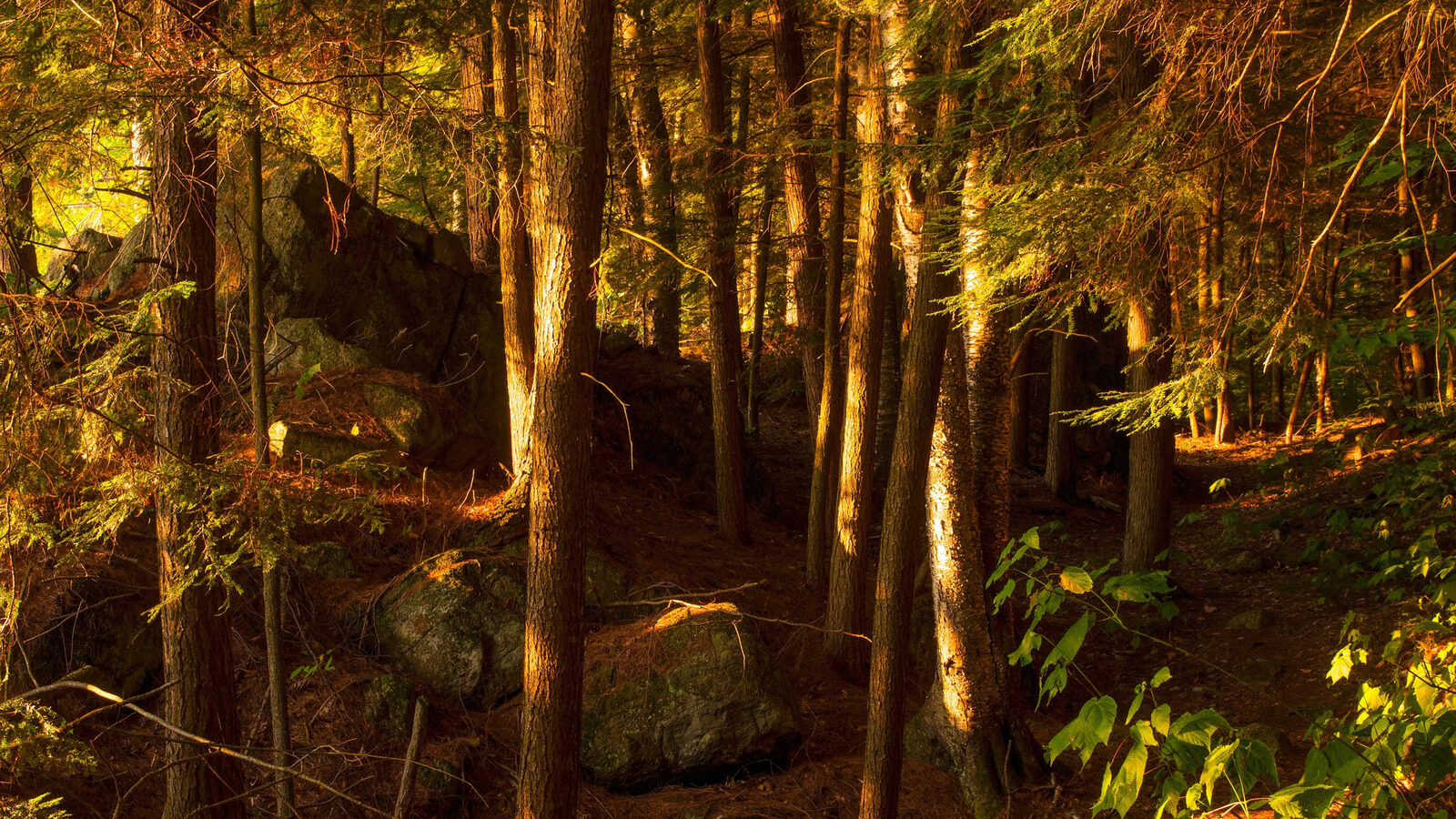
By the early 2000s, the devastation had escalated, with reports of widespread tree mortality. The hemlock trees play a critical role in these ecosystems, providing shade and habitat for various species. Their loss can lead to altered soil chemistry, increased erosion, and disruption of local wildlife populations that depend on them.
Current control measures for the hemlock woolly adelgid
Addressing the infestation of the hemlock woolly adelgid requires a multifaceted approach. Various strategies are being implemented by researchers and conservationists to mitigate the damage and protect the remaining hemlock populations.
- Pesticide treatments: These include soil and stem injections, soil tablets, and foliar sprays. While effective, they are labor-intensive and costly, making them unsuitable as a long-term solution.
- Biological control: This method introduces natural predators of the adelgid, such as certain beetles and silver flies, which have shown promise in reducing adelgid populations.
- Cultural practices: These practices involve creating healthier environments for hemlocks to thrive. This includes reducing environmental stressors and breeding hemlocks for greater resistance to the adelgid.
While chemical treatments may provide short-term relief, the focus is increasingly shifting toward biological control and sustainable management practices. This approach not only helps in controlling the adelgid but also fosters a more resilient forest ecosystem.
The role of public awareness and community involvement
Effective management of the hemlock woolly adelgid also hinges on public awareness and community involvement. Educating park visitors and local communities about the significance of hemlock trees and the threats posed by the adelgid is vital.
- Conducting workshops and informational sessions to inform the public
- Encouraging responsible outdoor practices to prevent the spread of adelgids
- Engaging volunteers in monitoring and treatment efforts
By fostering a sense of stewardship among visitors and residents, we can collectively contribute to the preservation of these trees and the ecosystems they support. Community-driven initiatives may also enhance the effectiveness of management strategies, ensuring that they are practical and tailored to local conditions.
Continued research and the quest for solutions
The fight against the hemlock woolly adelgid is ongoing, with researchers continually seeking innovative solutions. Studies are being conducted to better understand the insect’s biology and the impact of various control measures.
Collaborative efforts among scientists, land managers, and conservation organizations are essential. By pooling resources and knowledge, these groups aim to develop comprehensive strategies that can be applied across the affected regions.
In addition, research into the genetic diversity of hemlock trees may reveal opportunities for breeding programs aimed at producing more resilient tree varieties. Such initiatives could prove critical in the long-term survival of hemlock populations.
Conclusion: the importance of hemlocks in our ecosystems
The hemlock woolly adelgid’s impact on national parks and forest ecosystems underscores the fragile balance of nature. Hemlock trees are not just beautiful; they are essential for maintaining biodiversity and ecological health. As we confront the challenges posed by invasive species, it is imperative to remain vigilant and proactive in our conservation efforts.
By recognizing the threats these tiny invaders pose, investing in research, and engaging communities, we can safeguard the future of our national parks and the rich ecosystems they support. The battle against the hemlock woolly adelgid is a testament to the resilience of nature and our commitment to preserving it for generations to come.