Flying insects can be a nuisance, but few are as notorious for their unpleasant odor as the stink bug. These insects have a unique way of making their presence known, and understanding the science behind their smell can help you manage their intrusions more effectively. In this article, we will explore the reasons behind the stink bug’s foul odor, as well as practical methods for keeping them out of your home.
The science behind the stink bug’s odor
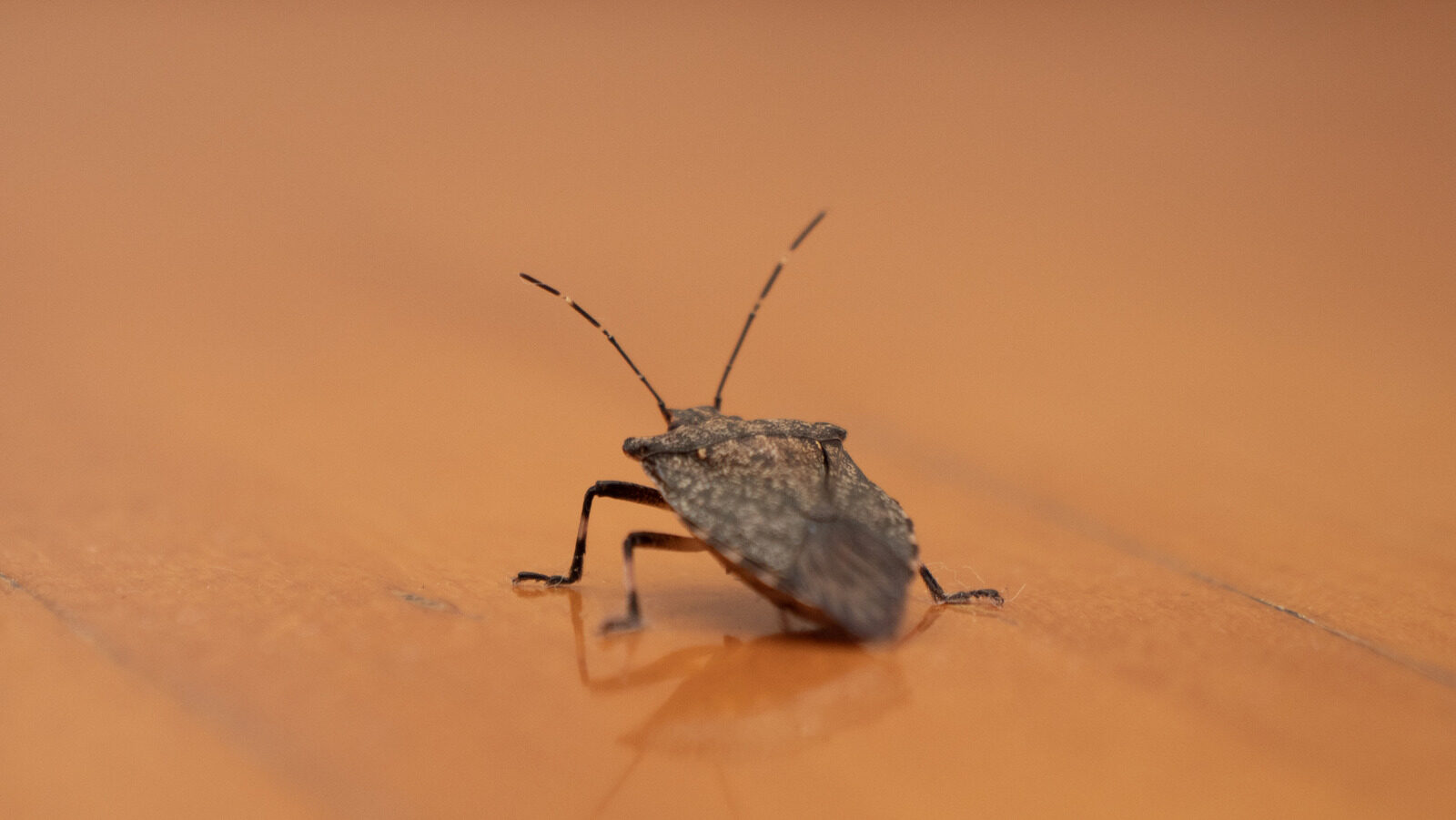
Stink bugs, particularly the brown marmorated stink bug (Halyomorpha halys), are infamous for the pungent smell they emit when threatened. This odor is not just a random occurrence; it serves a specific purpose in the insect’s survival. When a stink bug feels threatened, it releases a chemical secretion from its metathoracic glands (MTGs) located in the abdomen.
Research shows that these secretions can contain various compounds, with the main component being tridecane, an oily substance that has a hydrocarbon-like aroma. Approximately 67% of the secretion consists of tridecane, which can irritate the skin upon contact. Additionally, about 12% of the secretion includes decenal, a compound that can be found in cilantro, giving rise to its distinctive smell.
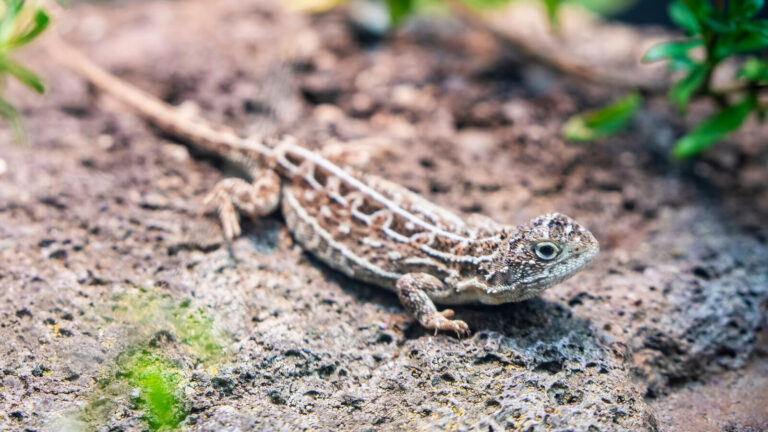
The foul odor acts as a defense mechanism, deterring predators such as lizards, birds, and other insects. When a stink bug is squashed, the chemical release can permeate an entire area, resulting in an unpleasant environment for both humans and pets. Understanding these mechanisms highlights the importance of handling stink bugs carefully.
Why do stink bugs invade your home?
As the seasons change, stink bugs often seek shelter in homes to escape the cold. Here are some common reasons why these insects invade:
- Seasonal migration: Stink bugs look for warm places to hibernate during fall and winter.
- Attractive hiding spots: They often settle in hidden areas such as behind walls, inside the attic, or under furniture.
- Light attraction: Stink bugs are attracted to light, which can lead them inside through open windows and doors.
To mitigate their presence, it is essential to understand their behavior and the conditions that attract them.
How to prevent stink bugs from entering your home
Preventing stink bugs from invading your living space requires a combination of sealing entry points and altering behaviors that attract them. Here are some effective strategies:
- Seal entry points: Inspect the exterior of your home for cracks and gaps around windows, doors, and utility pipes. Use caulk or weather stripping to seal these openings.
- Limit outdoor lighting: Use yellow bug lights outdoors, which are less attractive to stink bugs compared to traditional white lights.
- Keep windows and doors closed: Ensure that all windows and doors are closed or fitted with screens, especially during peak stink bug seasons.
These preventive measures can significantly reduce the likelihood of stink bugs making your home their refuge.
Effective methods to remove stink bugs from your home
If stink bugs have already infiltrated your home, there are several methods to remove them without creating an unpleasant odor. Here are some recommended approaches:
- Manual removal: If only a few stink bugs are present, gently capture them using a jar or container. Release them outdoors away from your home.
- Sticky traps: Commercial sticky traps can help capture stink bugs effectively when placed strategically around your home.
- Soapy water trap: A DIY method involves mixing dish soap with water in a shallow pan. The soap prevents stink bugs from escaping, effectively drowning them.
By employing these methods, you can keep your home stink-bug-free while mitigating the foul odor associated with squashing them.
The role of research in understanding stink bugs
Scientific studies play a vital role in comprehending the behavior and chemical composition of stink bugs. Research conducted on the species Cosmopepla bimaculata reveals intricacies of their chemical defense mechanisms. Here are some key findings:
- Controlled secretion: Stink bugs can choose which metathoracic gland to use when releasing their foul-smelling secretion.
- Fluid management: They can control the amount of liquid released and even resorb it back into their bodies.
- Predator deterrence: The specific compounds in their secretion are designed to repel potential predators.
This understanding not only enhances our knowledge of stink bugs but also aids in developing more effective pest control methods.
When to seek professional help for stink bug infestations
In some cases, stink bug invasions can become overwhelming. If you find yourself facing a significant infestation, it may be time to consider professional pest control services. Here are a few signs indicating that professional help might be necessary:
- Persistent presence: If stink bugs keep returning despite your efforts to remove them.
- Significant damage: If they are causing damage to your home or garden plants.
- Health concerns: If allergies or respiratory issues arise due to the presence of stink bugs.
Professional pest control experts have access to advanced techniques and treatments that can effectively manage infestations while ensuring your home remains safe and comfortable.
In summary, understanding the science behind stink bugs and their odors provides insight into why they invade our homes and how to deal with them effectively. By implementing preventive measures, employing removal techniques, and recognizing when to seek help, you can manage stink bugs and keep your home free from their unpleasant presence.