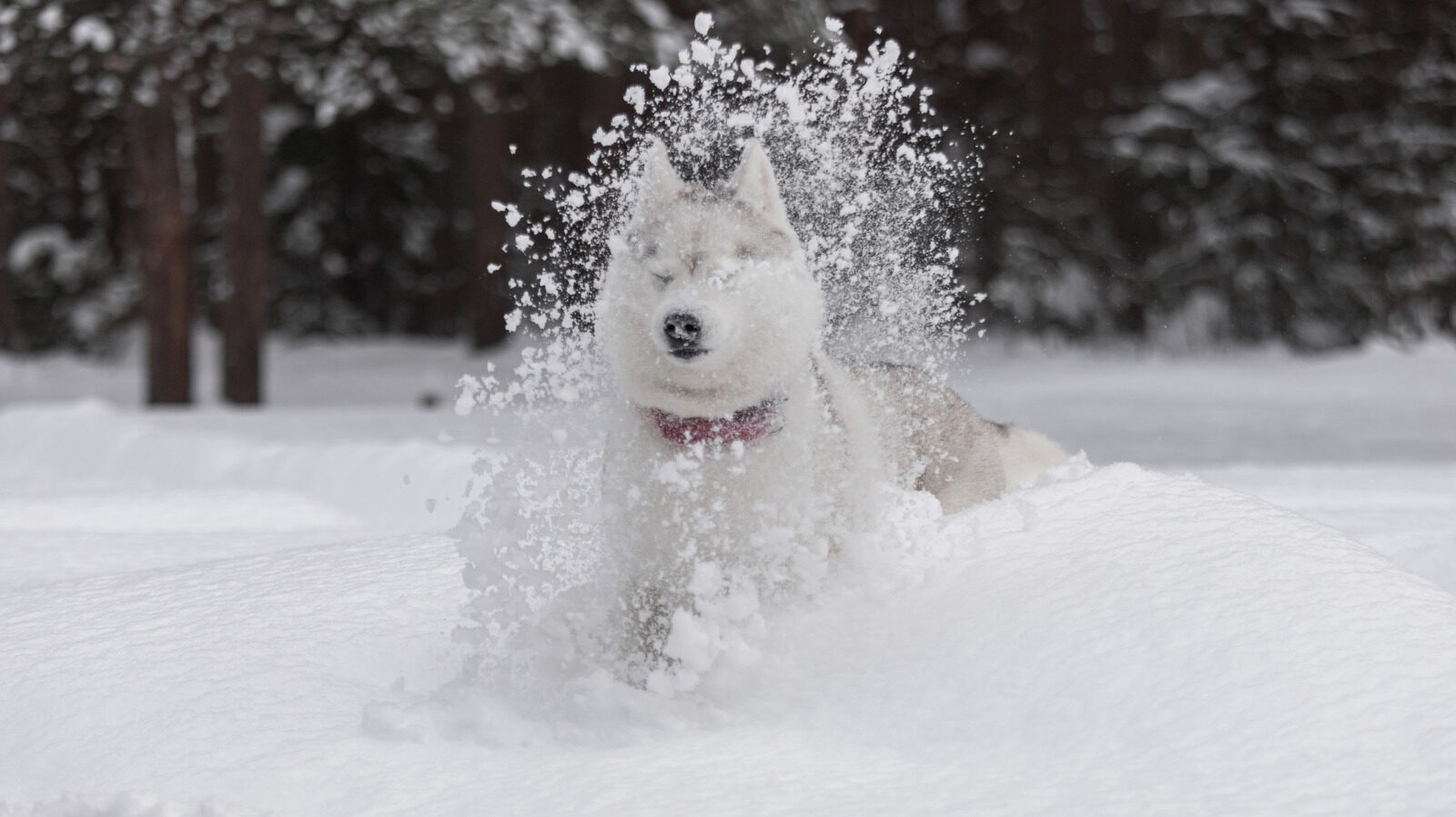
As winter blankets the world with its icy touch, the snow that falls can vary dramatically from one region to another. The type of snow you encounter can range from light, fluffy powder perfect for winter sports to dense, slushy accumulations that make travel treacherous. Understanding the science behind these variations can help you better appreciate the beauty of snow while also recognizing its hidden dangers.
Snow is not just frozen water; it is a complex phenomenon influenced by various environmental factors. Learning about how snow forms and the conditions that lead to different types can enhance your winter experiences, whether you’re skiing, snowboarding, or simply enjoying the seasonal landscape.
Understanding the factors that influence snow formation
The formation of snow is a delicate process that depends on a multitude of climatic conditions. While temperature is a primary factor, it is essential to understand that the temperature reported in weather forecasts is typically measured at ground level, which may not accurately reflect conditions in the atmosphere where snow clouds form.
Several key elements contribute to the formation of snow:
- Temperature Variance: The air temperature at different altitudes can vary significantly. For fluffy snow to form, the entire air column between the clouds and the ground needs to be below freezing.
- Humidity Levels: Higher humidity levels in the atmosphere support the formation of more ice crystals, which are crucial for creating fluffy snow.
- Wind Conditions: Winds can either benefit or hinder snow formation. While gentle winds help retain the structure of snowflakes, strong gusts can break them apart, leading to denser snow types.
- Cloud Composition: The presence of ice nuclei in clouds plays a critical role in the snow formation process. More ice crystals lead to fluffier snow.
Measuring the fluffiness of snow
Behind the scenes of snow forecasts lies a fascinating metric known as the snow ratio. This measurement quantifies the relationship between the volume of snow and the liquid water content it holds. Understanding snow ratios can provide insight into the fluffiness of the snow you’re experiencing.
The average snow ratio is traditionally accepted as 10:1, meaning that 10 inches of snow corresponds to 1 inch of liquid water. However, fluffy snow often achieves a ratio of:
- 20:1: for dry, powdery snow that has lots of air trapped between the snowflakes.
- 5:1: for wet, slushy snow which has a denser composition.
Factors contributing to the optimal snow ratio include:
- Uniform Sub-Freezing Air: A consistent layer of freezing air is crucial for maintaining the fluffy texture of the snow.
- High Initial Ice Crystal Concentration: A cloud rich in ice crystals is necessary for producing fluffy snowflakes.
- Moderate Winds: Winds that are not too strong help maintain the integrity of the snowflakes as they fall.
The dangers hidden in fluffy snow
While fluffy snow may appear inviting and picturesque, it harbors dangers that can be particularly concerning for regions that experience heavy snowfall. In places such as the Great Lakes, residents are familiar with the phenomenon known as lake-effect snow, which can lead to hazardous conditions.
Lake-effect snow occurs when cold air moves across warmer lake waters, resulting in significant evaporation and subsequent snow formation. This process can lead to:
- Heavy Accumulations: Fluffy snow can pile up quickly, sometimes reaching snow ratios of 40:1 in the Great Lakes area.
- Buried Vehicles and Structures: The sheer volume of fluffy snow can lead to cars and homes being buried, creating dangerous situations.
- Increased Risk of Heart Strain: The physical demands of shoveling heavy snow can pose serious health risks, particularly for individuals with underlying health conditions.
Conversely, slushy snow presents its own set of challenges, including slippery conditions that can make driving and walking perilous. Understanding the type of snow and its implications is vital for ensuring safety during winter weather.
Fluffy snow and its impact on winter sports
For winter sports enthusiasts, the type of snow can dramatically affect the quality of the experience. Fluffy snow is highly sought after for skiing and snowboarding due to its lightweight nature and ability to cushion falls.
Benefits of fluffy snow for winter sports include:
- Enhanced Floatation: Fluffy snow allows skiers and snowboarders to glide over the surface with ease, reducing fatigue.
- Softer Landings: The cushioning effect of powder snow can lessen the impact during falls, making it safer for recreational activities.
- Improved Maneuverability: The light texture of fluffy snow can offer better control and responsiveness for athletes.
However, it is essential for winter sports enthusiasts to remain vigilant about changing weather conditions, as the transition from fluffy to slushy snow can occur rapidly, impacting safety and performance.
Conclusion: Appreciating the complexity of snow
As winter brings a variety of snow types, understanding the science behind these phenomena can enhance our appreciation for this beautiful yet potentially dangerous element of nature. By recognizing the factors that influence snow formation, measuring snow ratios, and being aware of the associated risks, we can enjoy winter’s offerings while prioritizing safety and sustainability in our outdoor activities.