Space exploration has always captivated humanity’s imagination, and recent findings on Mars have reignited our curiosity about the potential for life beyond Earth. NASA’s Curiosity rover has made a groundbreaking discovery that could reshape our understanding of the Red Planet’s history and its potential to harbor life. Let’s delve into this exciting revelation.
The significance of Curiosity’s sulfur discovery on Mars
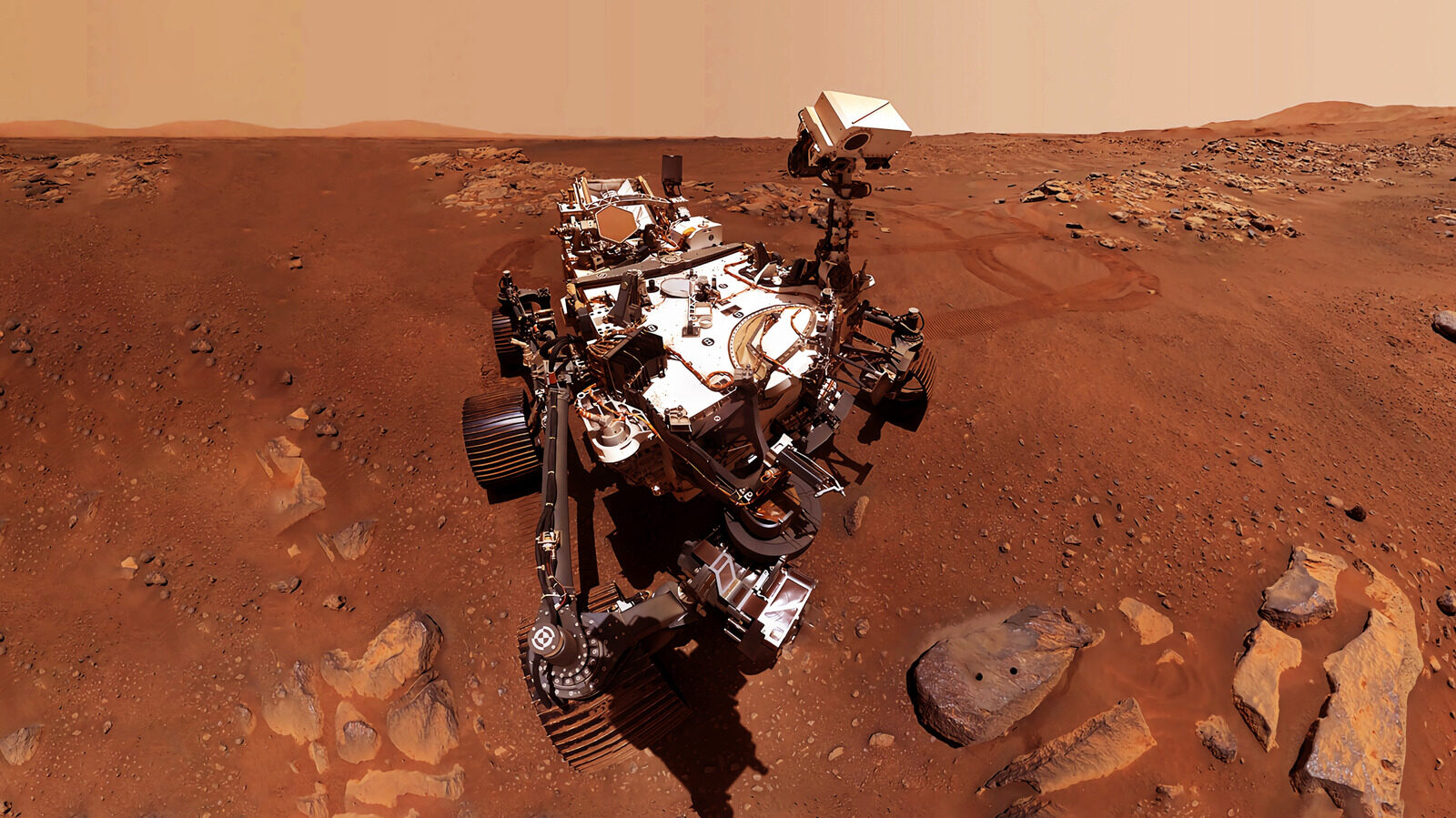
In what appears to be a serendipitous moment for science, NASA’s Curiosity rover unearthed pure sulfur on Mars on May 30, 2024. This remarkable finding occurred when the rover, weighing nearly 2,000 pounds, rolled over a rock that crumbled to reveal a cluster of yellowish-green crystals. For scientists, this is not just another geological oddity; it is a monumental breakthrough.
This discovery is significant because it’s the first time pure elemental sulfur has been identified on Mars. Previously, sulfur had only been detected in the form of sulfates, which are compounds that require the presence of water to form. The presence of sulfates indicated to researchers that Mars may have once had water, but the discovery of pure sulfur suggests an even more complex geological history.
On Earth, pure sulfur often forms through volcanic and hydrothermal processes. These formations can provide vital clues about the geological activity of a planet. NASA scientists are now meticulously analyzing the data gathered by Curiosity to understand the formation process of these sulfur crystals. This could help answer pivotal questions about Mars’ geological past and the potential for past volcanic activity.
Curiosity’s location: The Gediz Vallis channel
The Curiosity rover encountered the sulfur-rich rock while exploring the Gediz Vallis channel, a significant geological feature located on the slope of Mount Sharp. This channel is pivotal for scientific exploration due to its accessibility and the array of rocks it contains, which originated from the upper layers of Mount Sharp.
Mount Sharp itself is a towering 3.4 miles high, located within the Gale Crater, which was chosen as the landing site for Curiosity due to its unique geological characteristics. The stratification of Mount Sharp resembles that of sedimentary rocks on Earth, each layer revealing a different chapter of Martian history. The significance of Gediz Vallis lies in:
- Providing access to higher geological layers without the need for the rover to climb.
- Containing rocks that have tumbled down from the mountain, which represent various geological eras.
- Offering clues about past environmental conditions on Mars.
While the origin of the sulfur crystals is still uncertain due to the rocks’ journey from above, the implications of this find for our understanding of Mars are profound. It opens doors to new hypotheses regarding the planet’s volcanic history and the processes that shaped its surface.
Implications for the potential of life on Mars
The ongoing exploration of Mars continually raises the pivotal question: Did life ever exist on this planet? The discovery of pure sulfur contributes to a growing body of evidence suggesting that Mars had conditions suitable for life. The presence of the Gediz Vallis channel, believed to be formed by ancient water flow, reinforces the idea that water once existed on Mars, a critical ingredient for life.
Sulfur plays an essential role in biological processes. It is a fundamental element found in amino acids, which are the building blocks of proteins. This means that:
 Tree Species That Can Grow Gold
- Sulfur is crucial for cellular functions.
- It plays a role in protecting cells from oxidative stress.
- Every known life form studied has been found to contain sulfur.
As researchers dig deeper into the implications of the sulfur discovery, they are reminded of its significance in the quest for extraterrestrial life. NASA is focusing on understanding the formation of these sulfur crystals, as this knowledge could provide a clearer picture of the environmental conditions that prevailed on ancient Mars.
Future investigations and their importance
The discovery of pure sulfur is just the beginning. The Gediz Vallis channel is littered with numerous rocks that resemble the one Curiosity encountered. Each of these rocks may hold valuable information about Mars’ history and its ability to support life.
The ongoing analysis will likely involve:
- Detailed mineralogical studies to understand the composition of the rocks.
- Geochemical analyses to determine the conditions under which sulfur formed.
- Comparative studies with Earth’s geological processes to identify similarities and differences.
Understanding the geological history of Mars is crucial for future missions, especially those aimed at returning samples to Earth. Such missions could provide further insights into whether life existed on Mars and how the planet evolved.
The broader context of Mars exploration
The findings from Curiosity are part of a larger narrative about Mars exploration. As missions continue to unfold, including plans for human landings in the coming decades, each discovery builds upon the last, creating a mosaic of knowledge about our neighboring planet. The quest to understand Martian geology, climate, and potential for life continues to inspire scientists and the public alike.
Furthermore, these discoveries have implications beyond Mars, as they inform our understanding of planetary evolution and the conditions necessary for life in the universe. The sulfur discovery is a thrilling chapter in the ongoing exploration of Mars, and it reinforces the idea that we are only beginning to scratch the surface of what this enigmatic planet has to offer.