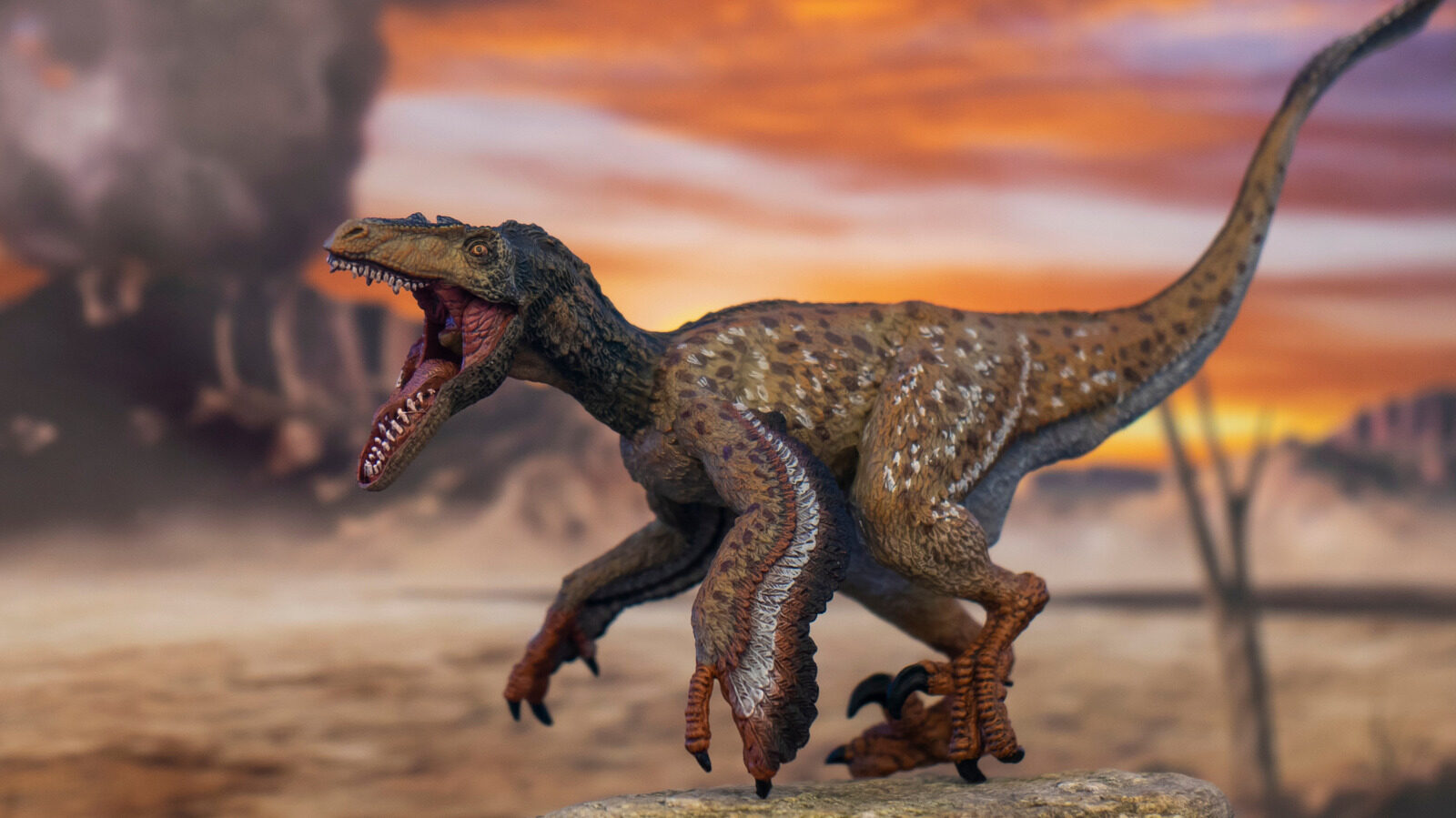
Imagine stepping into a world where dinosaurs roamed, and the landscape was filled with vibrant colors and diverse creatures. Recent discoveries have turned our understanding of these ancient giants on its head, revealing surprising truths about their appearance, particularly regarding the feathers that adorned some species. As we delve into the fascinating world of dinosaur feathers, prepare to see these creatures in a whole new light.
The evolution of our understanding of dinosaurs has come a long way since the simple depictions of the past. Many of us grew up envisioning them as reptilian monsters, but the reality is far more complex and intriguing. Let’s explore the remarkable findings about dinosaur feathers and how they compare to the feathers of modern birds.
The discovery of dinosaur feathers reshapes our understanding
The notion that dinosaurs were exclusively scaly, lizard-like creatures has been shattered in recent decades. Notably, paleontologists made groundbreaking discoveries in the 1990s when they unearthed extraordinarily well-preserved fossils in China. These fossils, dating back to the early Cretaceous period, revealed a treasure trove of information about feathered dinosaurs, fundamentally altering our perception of their evolution.
These findings indicated that feathers predate the appearance of birds and flight, suggesting that feathers evolved for various purposes beyond mere flight. However, many questions remain:
- How prevalent were feathers among different groups of dinosaurs?
- Did feather-like structures appear in other reptile species?
- Did feathers originate exclusively within theropods or were they part of a broader evolutionary trend among reptiles?
Despite the ongoing research, we have gained invaluable insights into the nature of dinosaur feathers. For instance, while modern bird feathers are primarily composed of beta-keratin and exhibit complex structures, the feathers of many dinosaurs were simpler in form. This understanding opens the door to new questions about the role and evolution of these structures across different dinosaur lineages.
Comparing dinosaur feathers with modern bird feathers
Modern bird feathers are marvels of evolution, featuring a sophisticated design that includes a central shaft (the calamus) and a series of barbs and barbules that create a lightweight yet strong structure. This complex design allows for insulation, waterproofing, and aerodynamic capabilities. In contrast, the feathers of dinosaurs were much simpler:
- Many were filamentous or thread-like.
- They lacked the branching structures seen in modern feathers.
- Early feathers were likely anchored in the skin without the intricate arrangements we observe today.
Research, such as a 2012 study that described the Sciurumimus fossil, showcases these primitive feather structures. This particular dinosaur, which lived approximately 150 million years ago, displayed long, fine filaments on its tail, indicating that even the earliest feathers were quite different from those of contemporary birds.
How did dinosaur feathers evolve over time?
The evolution of dinosaur feathers appears to follow a fascinating trajectory, moving from simple filamentous structures to more complex forms. Some of the pivotal moments in this evolutionary journey include:
- The emergence of monofilament feathers seen in early theropods like Sciurumimus.
- The appearance of branched feathers in species such as Dilong and Sinosauropteryx.
- The development of pennaceous feathers, which resemble the feathers of modern birds and feature small interlocking barbules.
This gradual evolution showcases how feathers adapted for various functions, possibly including thermal regulation and display, before culminating in the elaborate structures we see in birds today. The discovery of such feather types across different dinosaur clades suggests a complex evolutionary history, hinting at the multifunctional role feathers played in the lives of these ancient creatures.
Insights from fossil evidence about feathered dinosaurs
Fossil evidence has dramatically expanded our understanding of feathered dinosaurs. Not only do these findings reveal physical characteristics, but they also offer insights into the behaviors and environments of these creatures. For instance, the presence of feathers in certain theropods suggests that they may have been warm-blooded, using feathers for insulation much like modern birds do.
Additionally, the diversity of feather types observed in fossils indicates that feathers may have also served as visual signals in mating displays or social interactions. This variety raises intriguing questions about the social behavior of these dinosaurs. Researchers are now examining how feather patterns and colors might have influenced their visibility and attractiveness to potential mates.
Implications for our understanding of dinosaur biology
The revelation that some dinosaurs had feathers not only alters the way we visualize these ancient animals but also informs our understanding of their biology and behavior. The implications include:
- Feathers may indicate a closer evolutionary relationship between dinosaurs and modern birds.
- The presence of feathers suggests adaptations to specific ecological niches.
- Feathers could have played crucial roles in thermoregulation and social signaling.
As paleontologists continue to uncover new fossils and refine our understanding of dinosaur biology, the narrative of these ancient creatures will undoubtedly evolve further. The study of dinosaur feathers serves as a prime example of how scientific inquiry can reshape our perspective on the past, revealing a vibrant world that challenges our preconceived notions.