Safety pins are ubiquitous tools that serve a myriad of functions, from fastening clothing to facilitating creative fashion statements. Yet, many users may not fully grasp the intricacies of their design, particularly the importance of the tiny holes found in these handy devices. Let’s delve deeper into the mechanics, history, and various applications of safety pins, shedding light on why these small tools are essential in our daily lives.
Understanding the design and function of safety pins
Safety pins are more than just simple fasteners; they exemplify a clever blend of engineering and practicality. The design of a safety pin is both straightforward and ingenious, allowing it to serve multiple purposes effectively.
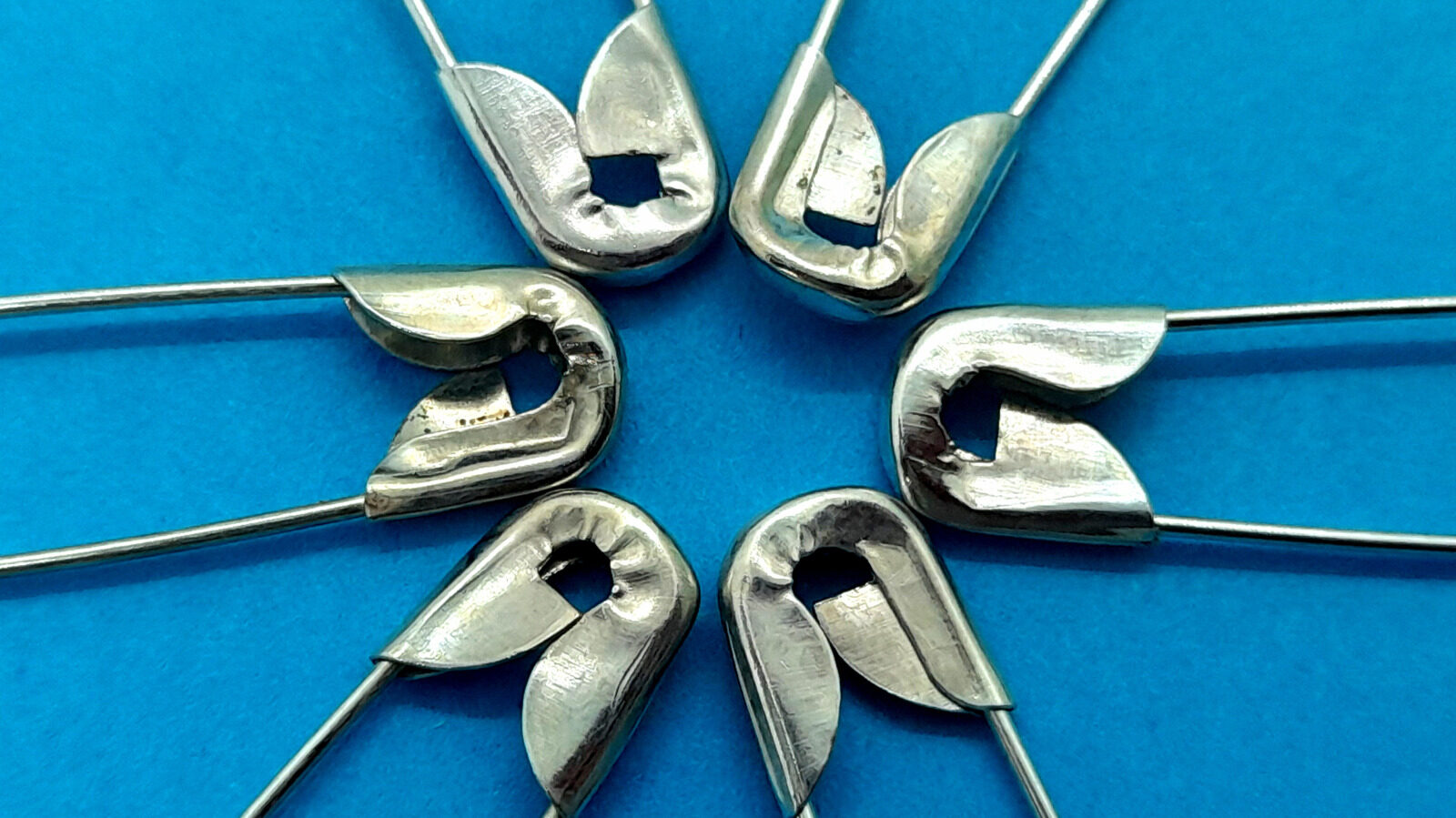
At the heart of its functionality are two critical holes. The first hole, located at the bottom, is vital for maintaining the spring tension, which ensures that the sharp end of the pin remains securely in place. This tension prevents the pin from accidentally opening, which could lead to injury. The second hole, situated near the top, facilitates the insertion and removal of the pin’s sharp point into its clasp or guard, reinforcing the “safety” aspect of the pin.
The innovative design allows the safety pin to be used in various applications, including:
- Fastening clothing or fabric.
- Securing bandages in first aid scenarios.
- Creating unique fashion accessories and decorations.
- Facilitating science projects for educational purposes.
The historical evolution of safety pins
The modern safety pin, patented by Walter Hunt in 1849, has roots that trace back to ancient civilizations. These early iterations were often referred to as “fibulae,” and they showcased significant differences in design and functionality.
Two main forms of fibulae can be identified in history:
- Two-pin fibulae: Found primarily in Northern Europe, this design consisted of two straight pins. One pin had a hole and a catch, while the other fit through this hole, allowing for movement without a spring mechanism.
- Single-pin fibulae: More akin to modern safety pins, these were prevalent in central Europe, Greece, and Italy. They featured a bent pin that created a spring loop, with one end sharp and the other designed to hold it securely.
Despite these early designs lacking the modern spring mechanism, they effectively served their purpose of fastening garments and other items, showcasing the enduring utility of the concept.
How mechanical principles enhance safety pin functionality
The functionality of safety pins is rooted in fundamental mechanical principles such as elasticity and tension. Walter Hunt’s original patent not only introduced the spring mechanism but also revolutionized how these tools could be produced and utilized.
In today’s manufacturing processes, machines create safety pins from high-carbon steel wire. Here’s how the mechanism works:
- The wire is cut and one end is wrapped tightly around a mandrel.
- This coil generates the necessary tension, allowing the pointed end to snap securely into the guard.
- The tight coil ensures that the pin does not overextend, allowing users to open and close it repeatedly without losing functionality.
Hunt’s innovative design not only improved safety pins but also established a standard that has remained largely unchanged for over a century.
Safety pins in contemporary applications
In modern contexts, safety pins are widely recognized for their versatility and practicality. Their applications extend beyond mere clothing fasteners, making them invaluable tools in various fields:
- Fashion: Safety pins are often used in contemporary fashion to create edgy looks, accentuate designs, or as part of artistic expressions.
- First Aid: In emergencies, safety pins can be used to secure dressings or bandages, providing immediate support until professional help is available.
- Crafts and DIY Projects: They are popular in arts and crafts, serving as connectors or decorative elements in various projects.
- Everyday Fixes: From repairing torn clothing to securing loose items, safety pins are a go-to solution for quick fixes.
Additionally, safety pins are sometimes incorporated into practical jokes or funny memes, illustrating how they have permeated popular culture in unexpected ways.
Why safety pins remain a staple tool
The enduring popularity of safety pins can be attributed to their simple yet effective design. They are lightweight, portable, and easy to use. Here are a few reasons why safety pins have maintained their status as essential tools:
- Accessibility: They are inexpensive and widely available, making them accessible to anyone.
- Multi-functionality: Their diverse uses span across fashion, first aid, and everyday repairs.
- Historical significance: Safety pins have a rich history that connects people across cultures and eras.
- Ease of use: The design allows for quick and straightforward use, which is particularly beneficial in emergencies.
Exploring innovative uses of safety pins
As creativity knows no bounds, safety pins have found their way into various innovative applications. Here are some interesting uses that go beyond traditional functions:
- Jewelry Making: Crafters often use safety pins to create unique pieces of jewelry, such as earrings and necklaces.
- Art Projects: Artists incorporate safety pins into mixed media art, using them to add texture or structural support.
- Home Décor: Safety pins can be used in DIY home projects, such as creating wall art or decorative items.
- Educational Tools: Teachers use safety pins in science experiments to demonstrate principles of physics and mechanics.
Whether you are an artist, a fashion enthusiast, or simply someone who needs a reliable fastener, safety pins continue to prove their worth in countless scenarios. Understanding their design and history enhances our appreciation of this simple yet profoundly useful tool.