

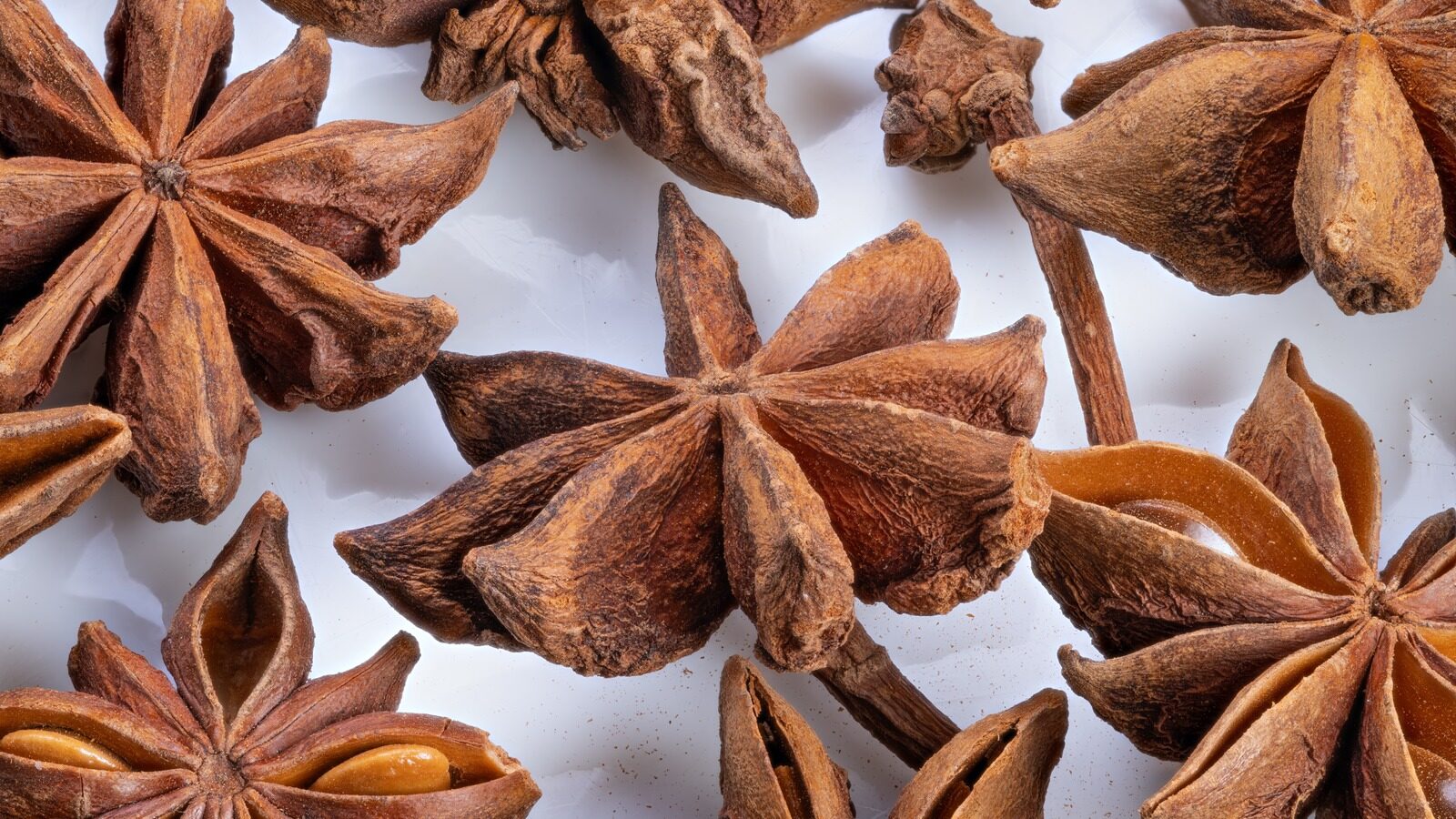
As we explore the fascinating world of culinary herbs and their hidden benefits, we often overlook the potential of common spices to boost our well-being. One such underrated ingredient is anise seed, a spice known for its sweet, licorice-like flavor. But beyond its culinary appeal, recent research suggests that anise seed may hold the key to alleviating symptoms of depression. Let’s delve deeper into this remarkable spice and uncover its potential health benefits.
The surprising origins and uses of anise seed
Anise seed, also known as aniseed, originates from the Mediterranean region and is a member of the parsley family. Its distinct flavor profile makes it a popular choice for flavoring a variety of dishes, particularly in holiday desserts and beverages like mulled wine. While anise and licorice share a similar taste, they are distinct plants: licorice has its roots in Asia, whereas anise is native to Northern Africa and parts of Europe.
Historically, anise seed has been valued not only for its flavor but also for its medicinal properties. Ancient civilizations utilized it to treat various ailments, and today, it’s still embraced in natural remedies. Some notable uses of anise seed include:
- Digestive aid to alleviate bloating and gas.
- Antimicrobial properties that can help combat infections.
- Natural expectorant to relieve coughs and respiratory issues.
Research linking anise seed oil and mental health
Recent studies have revealed a significant connection between anise seed oil and mental health improvements. A pivotal study conducted in Cairo, Egypt, provided compelling evidence of anise oil’s potential effectiveness in combating depression. The research involved testing the oil on rats, using chronic mild stress (CMS) as a model for depression in humans. The findings indicated that the application of anise oil led to a noticeable reduction in symptoms associated with depression.
In conjunction with anise oil, geranium oil was also tested, and both were found to have similar positive effects. This research aligns with the growing body of evidence suggesting that certain natural compounds can influence mood and emotional well-being. A few key takeaways from the study include:
- Anise oil may help regulate neurotransmitters, which play a crucial role in mood stability.
- The oil’s anti-inflammatory properties could mitigate inflammation linked to depression.
- Further research is needed to identify the exact mechanisms at play in humans.
Health benefits of anise seed beyond mood enhancement
The health benefits of anise seed extend beyond its potential effects on depression. A comprehensive review by Thailand’s Vinmec Healthcare System highlighted various advantages of incorporating anise into one’s diet. Some of these benefits include:
- High mineral content: Anise seeds are rich in essential minerals like calcium, iron, and magnesium, which are vital for cellular function and bone health.
- Menopausal relief: Research suggests that anise may help alleviate symptoms associated with menopause, such as hot flashes.
- Antioxidant properties: Anise seeds are packed with antioxidants, which combat oxidative stress and support overall health.
Understanding the controversy surrounding seed oils
Seed oils have faced scrutiny in recent years, with concerns raised about their potential health risks. Many studies have suggested that some seed oils may contribute to various health issues, including obesity and inflammation. The debate primarily centers on oils that undergo extensive processing, such as soybean, sunflower, and corn oils, which are prevalent in many processed foods.
However, it’s crucial to differentiate between heavily processed seed oils and minimally processed options like anise seed oil. While the former may have adverse effects, anise seed oil, when unrefined, may offer health benefits, including:
- Decreased inflammation, potentially alleviating symptoms of depression.
- Support for digestive health due to its natural composition.
- Enhanced nutrient absorption due to the presence of healthy fats.
How to incorporate anise seed into your diet
Incorporating anise seed into your daily routine can be both easy and enjoyable. Here are some simple ways to add this flavorful spice to your meals:
- In baking: Use ground anise seed in cookies, cakes, or muffins for a sweet, aromatic flavor.
- In beverages: Add whole or crushed anise seeds to your teas or warm drinks for a comforting touch.
- In savory dishes: Sprinkle anise seed in stews, soups, or marinades to enhance the flavor profile.
Additionally, anise seed oil can be used in aromatherapy or diluted with carrier oils for topical applications, providing a multi-faceted approach to wellness.
The future of research on anise seed and mental health
While the current research on anise seed’s potential to alleviate depression is promising, more studies are necessary to fully understand its effects on human mental health. Scientists are particularly interested in:
- Exploring the biochemical pathways involved in the antidepressant effects of anise oil.
- Conducting clinical trials to evaluate the efficacy of anise oil in human subjects.
- Investigating the optimal doses and forms of anise for therapeutic use.
As interest in natural remedies grows, anise seed may become a more prominent player in the conversation about alternative treatments for depression and other mental health issues.
A spice with potential
The humble anise seed, often relegated to a supporting role in culinary creations, emerges as a potential ally in the fight against depression. Its unique properties and historical significance in traditional medicine underscore its value as more than just a flavoring agent. By embracing this spice, we could not only elevate our dishes but also enhance our overall well-being.