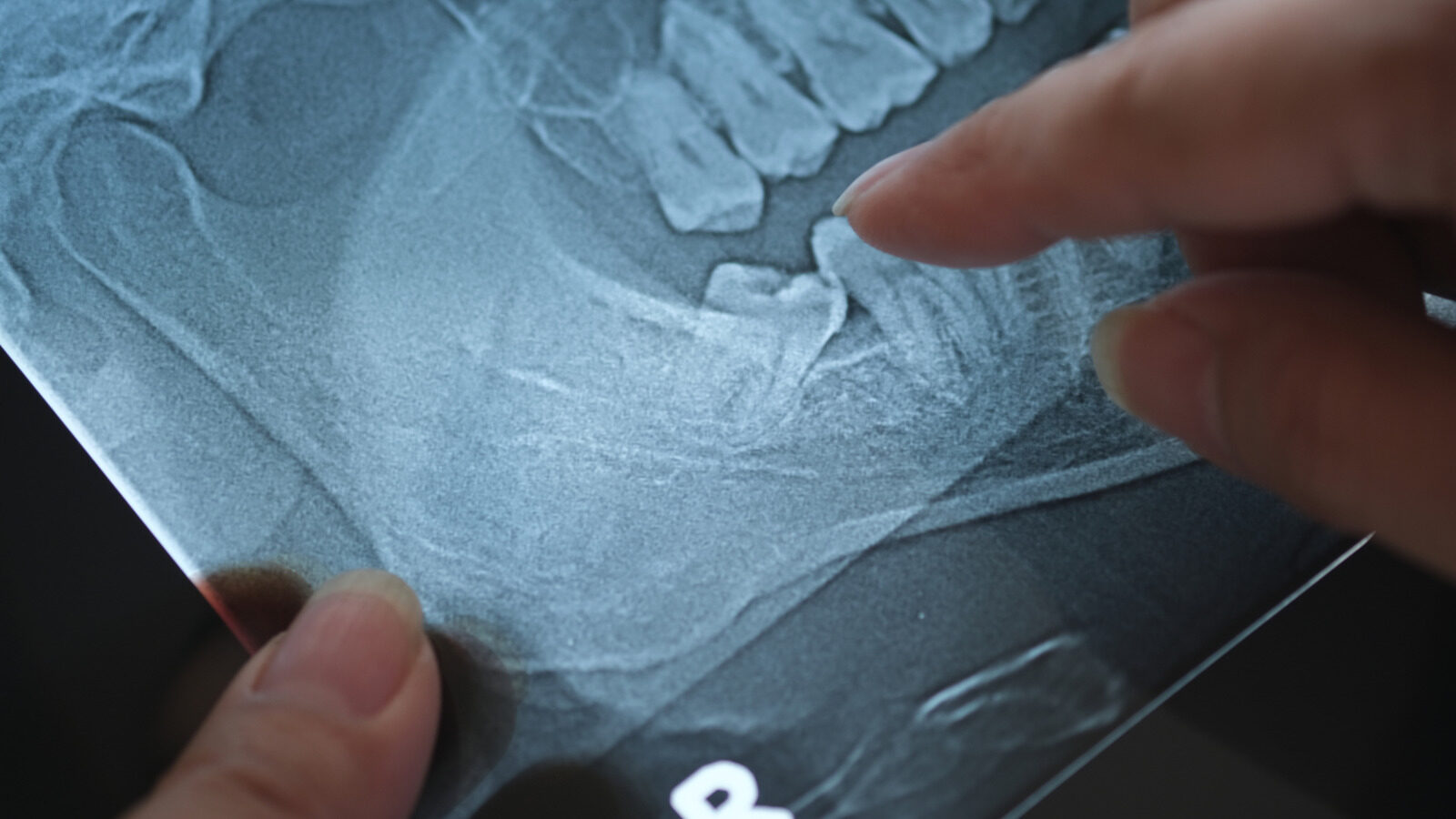
Wisdom teeth have puzzled many, often dismissed as mere vestiges of our evolutionary past. However, these seemingly insignificant molars can lead to substantial health issues. Understanding the role of wisdom teeth in our anatomy and society reveals much about human adaptation and health.
The vestigial organ that can cause more harm than good
Evolution is a fascinating but often unpredictable process. As species evolve, certain body parts that were once essential for survival may become redundant. This phenomenon can be observed in many animals. For example, whales, which descended from land-dwelling ancestors, retain small pelvic bones that no longer serve a purpose. Similarly, some snakes have remnants of leg bones hidden within their muscles. Such organs, known as vestigial organs, are remnants of an evolutionary past.
In humans, wisdom teeth are categorized as vestigial organs. Despite still being present in many of us, their utility has diminished significantly. While some individuals use their wisdom teeth for chewing, the additional chewing surface they provide is largely unnecessary for modern survival. In fact, wisdom teeth often cause more issues than they solve. As they emerge, they can push against adjacent teeth, leading to painful conditions known as impaction. Furthermore, once they settle, wisdom teeth can contribute to overcrowding, resulting in tooth decay, chewing difficulties, and infections.
Interestingly, the classification of vestigial organs is not static. Many once thought to be useless have been reevaluated. The appendix, for instance, has been recognized for its role as a reservoir for beneficial gut bacteria, prompting scientists to reconsider its status. Another example is the thymus gland, once deemed unnecessary in adults, but now understood to support the immune system well into adulthood. Unfortunately, wisdom teeth do not share this redemptive narrative; they remain largely detrimental.
How our modern diet eliminated the need for wisdom teeth
Historically, wisdom teeth played a crucial role in our ancestors’ diets. Before the advent of cooking and agriculture, humans primarily scavenged and hunted for food. Their diets comprised tough, fibrous substances like tubers and nuts. In this context, the additional molars offered by wisdom teeth were invaluable for grinding and processing these hard foods.
However, significant dietary shifts began during the Paleolithic Era, marked by the discovery of fire. Cooking not only made food easier to chew but also reduced the wear and tear on teeth. The rise of agriculture approximately 12,000 years ago further transformed our diets, introducing softer foods like cereals, grains, and domesticated plants that required less chewing.
The shift to a more refined diet had profound implications for jaw development. As food became easier to chew, the demands on our jaws decreased. Recent studies suggest that lifestyle factors, including the use of soft sleeping surfaces such as mattresses, have also contributed to less robust jaw structures. This combination of reduced chewing activity and environmental changes has led to smaller jaws in modern humans, leaving inadequate space for wisdom teeth.
How wisdom teeth can cause serious harm
For some individuals, wisdom teeth may not erupt at all; research indicates that about 35% of the population has only one, two, or even no wisdom teeth. However, for those who do develop them, the risks can be significant, leading to pain, inflammation, and in rare instances, severe infections.
Typically, humans have 20 primary teeth, replaced by 32 adult teeth. Wisdom teeth are the last to emerge, usually making their appearance around the age of 17 when the jaw is nearly fully developed. Consequently, space often becomes a critical issue. When wisdom teeth attempt to erupt, they can become impacted, pressing against adjacent molars. This impaction not only causes pain but can also lead to infections, requiring surgical intervention to remove the problematic teeth.
Even when wisdom teeth emerge successfully, they can disrupt dental alignment. The late arrival of these additional molars can lead to overcrowding, creating conditions that make proper oral hygiene challenging. Overcrowded teeth increase susceptibility to tooth decay and gum disease, necessitating treatments like fillings. Maintaining cleanliness becomes difficult when teeth are tightly packed, complicating flossing and brushing efforts.
Signs you might need to remove your wisdom teeth
Recognizing the symptoms that may indicate the need for wisdom tooth removal is crucial for maintaining oral health. Here are key signs to watch for:
- Pain or discomfort: Persistent pain in the back of your mouth can signal an issue with wisdom teeth.
- Swelling and inflammation: Red or swollen gums around the area may indicate infection or impaction.
- Overcrowding: If your teeth feel crowded or misaligned, wisdom teeth could be the culprit.
- Headaches: Recurrent headaches may stem from dental issues related to wisdom teeth pressure.
- Difficulties with oral hygiene: If flossing or brushing becomes more challenging, overcrowding may be affecting your dental routine.
The historical perspective on wisdom teeth removal
The practice of removing wisdom teeth has evolved over time. Initially, extractions were performed only when severe pain or dental issues arose. However, as dental health awareness improved, dentists began recommending proactive removal to prevent future complications.
In the mid-20th century, the extraction of wisdom teeth became a routine procedure, particularly in Western societies. The idea was to remove them before they could lead to problems, especially during the teenage years when dental care is crucial. This shift was prompted by increased understanding of dental health, alongside advancements in surgical techniques that made extractions safer and more efficient.
Alternative approaches to wisdom teeth management
While removal remains the standard approach, there are alternative management strategies that some dental professionals advocate. These include:
- Monitoring: Regular dental check-ups can help monitor the development of wisdom teeth and assess their impact.
- Preventive care: Maintaining good oral hygiene can mitigate some issues that arise with wisdom teeth.
- Minimally invasive procedures: In certain cases, less invasive interventions may alleviate discomfort without full extraction.
In summary, while wisdom teeth are often labeled as vestigial, their implications on oral health are significant. Understanding their evolutionary background and the factors leading to their problematic nature can help individuals make informed decisions regarding their dental health.