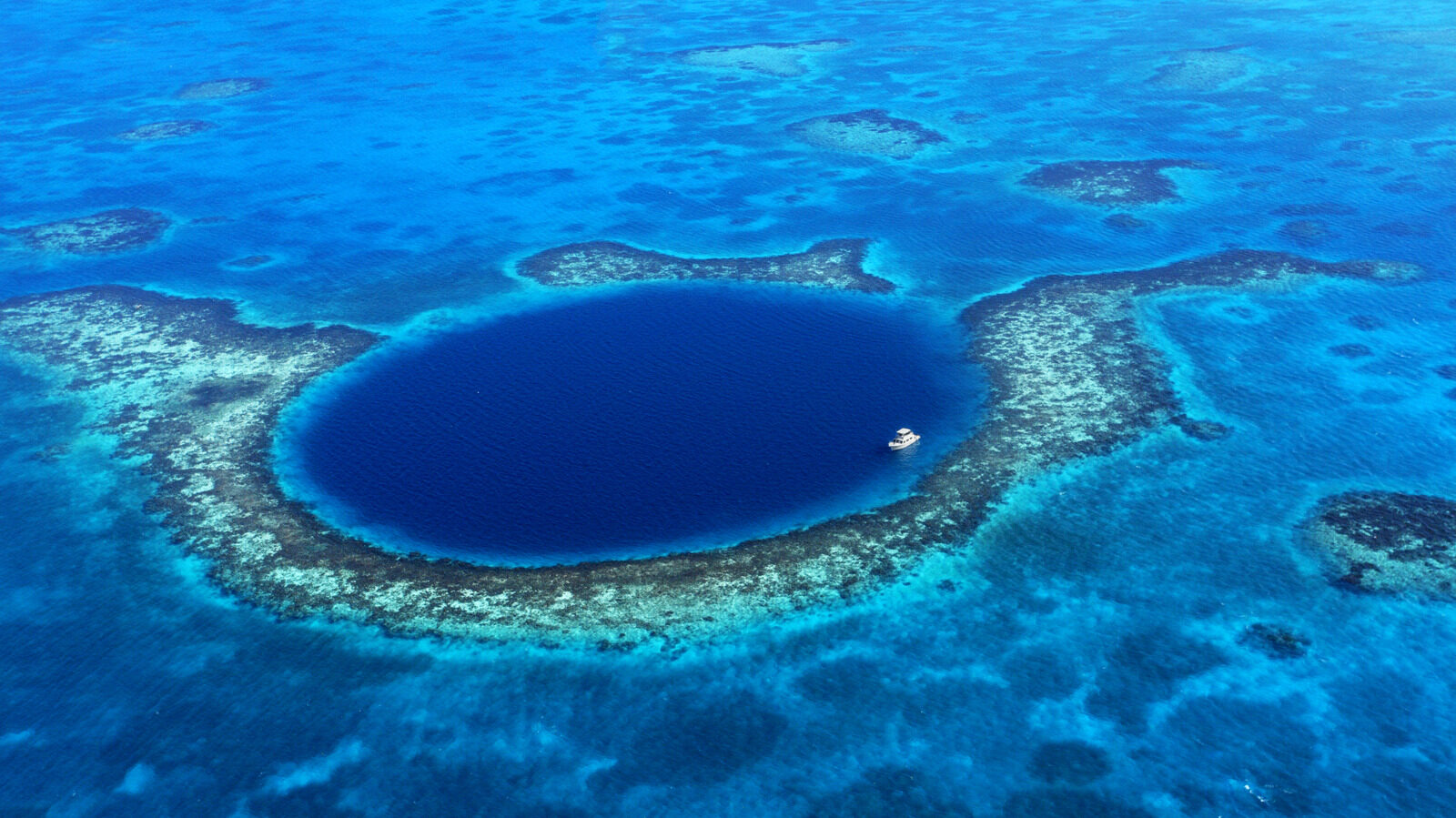
Deep within our oceans lies a mysterious phenomenon that has both fascinated and terrified humanity for centuries: blue holes. These underwater sinkholes challenge our understanding of marine ecosystems and geological processes. Recent discoveries, particularly regarding the Taam Ja’ blue hole, have ignited a wave of excitement among scientists worldwide, offering a glimpse into the unknown depths of our planet.
From their formation to the unique life forms they harbor, blue holes are more than just geographical curiosities; they are portals into Earth’s past and potential harbingers of life beyond our planet. Join us as we dive deeper into the enigmatic world of blue holes and uncover what lies beneath their alluring surfaces.
Understanding the formation of blue holes and their geological significance
Blue holes are not merely random depressions in the ocean; they are geological formations with a rich history. These underwater caverns formed during periods of low sea levels, particularly during ice ages when vast amounts of water were locked in glacial sheets. As the ocean levels fell, areas of soluble rock, primarily limestone, were exposed to erosion by rainwater, leading to the creation of intricate cave systems.
As sea levels began to rise again, these caves were submerged, resulting in what we now recognize as blue holes. The formation process can be summarized as follows:
- Ice Age Conditions: During ice ages, ocean levels dropped significantly, exposing coastal regions.
- Erosion of Rock: Rainwater eroded soluble rock, creating extensive cave systems.
- Flooding: Rising sea levels submerged these caves, forming blue holes.
Today, researchers are actively studying these formations to understand their significance in the context of climate change and geological history. For instance, the ongoing rise in sea levels, exacerbated by global warming, continues to shape marine landscapes and could lead to the discovery of new blue holes in previously uncharted regions.
The ecological importance of blue holes
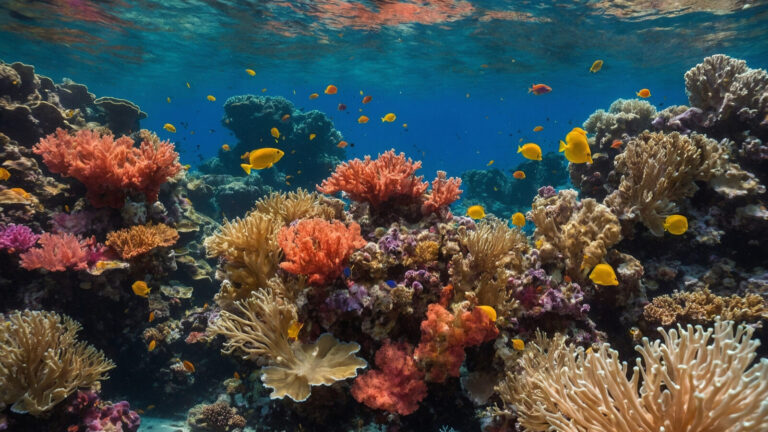
Despite their seemingly inhospitable environments, blue holes are teeming with life. These unique ecosystems provide a habitat for various marine species, some of which have adapted specifically to the conditions of deep water. Here are some key aspects of their ecological significance:
- Unique Biodiversity: Blue holes host specialized species that thrive in depths where sunlight cannot reach.
- Predatory Behavior: Many predators, including sharks, venture into blue holes, attracted by the abundance of prey.
- Novel Organisms: Research has uncovered new microbial life forms that can survive in extreme environments, further highlighting the adaptability of life.
In recent years, scientists have discovered colonies of previously unknown microbes that feed on sulfur compounds in the dark depths of blue holes. These organisms challenge our understanding of life and its capabilities, as they thrive in conditions typically considered lethal for most forms of life.
Recent discoveries at Taam Ja’ blue hole
This blue hole, located in Chetumal Bay, has recently captured the attention of the scientific community for its astonishing depths. Initially measured at 900 feet in 2021, subsequent explorations in December 2023 revealed a staggering depth of 1,380 feet, positioning Taam Ja’ as the deepest known blue hole.
The findings from Taam Ja’ have sparked various scientific inquiries:
- Potential for Deeper Depths: Scientists have yet to reach the bottom, suggesting the possibility of even greater depths.
- Astrobiological Interest: The unique conditions within the blue hole make it a prime candidate for studies related to extremophiles and potential extraterrestrial life.
- Impact on Marine Research: The discoveries at Taam Ja’ could reshape our understanding of deep-sea ecosystems.
This blue hole’s discovery is not merely a geographical record; it opens up new avenues for scientific exploration and ecological understanding.
Life thrives in extreme conditions
The adaptability of organisms found in blue holes raises intriguing questions about the potential for life beyond Earth. Astrobiologists are particularly interested in extremophiles—organisms that thrive in conditions previously thought to be uninhabitable. The discovery of sulfur-consuming microbes in Taam Ja’ reinforces the idea that life can persist in extreme environments.
Key characteristics of extremophiles include:
- High-Pressure Tolerance: Many extremophiles can survive the immense pressures found at great depths.
- Anoxic Conditions: Some microbes can breathe hydrogen sulfide instead of oxygen, allowing them to thrive in oxygen-free environments.
- Energy Source Independence: These organisms do not rely on sunlight for energy, using alternative chemical processes instead.
Such findings suggest that similar life forms could exist in the subsurface oceans of celestial bodies like Europa, one of Jupiter’s moons, or Enceladus, a moon of Saturn. The hostile conditions in these environments parallel those found in deep blue holes, making them prime candidates for astrobiological research.
The future of exploration in blue holes
The ongoing exploration of blue holes, particularly the Taam Ja’, promises to yield significant insights into both marine biology and the potential for life beyond our planet. Challenges remain, including the need for advanced technology to reach extreme depths and study these environments effectively. Future endeavors might include:
- Advanced Submersibles: Developing new technologies to explore the depths safely.
- Microbial Studies: Conducting detailed research on the microbial life forms inhabiting these depths.
- Climate Impact Research: Studying how changing ocean conditions affect blue hole ecosystems.
As we enhance our understanding of these underwater wonders, blue holes will continue to intrigue scientists and inspire questions about the limits of life on Earth and beyond.