In the dairy industry, much more is at stake than simply milk production; the emotional well-being of cows plays a critical role in their health and productivity. Recent studies have shed light on the complex emotional lives of these animals, revealing that they can exhibit traits similar to what we might label as pessimism. Understanding these psychological nuances is vital not only for improving animal welfare but also for enhancing dairy farming practices. This article delves into the fascinating intersection of psychology and animal behavior, particularly focusing on the implications of pessimism in dairy cows.
Understanding the emotional landscape of dairy cows
Dairy cows are often perceived through a purely utilitarian lens; however, they possess a rich emotional landscape that can significantly impact their health and productivity. Research indicates that cows are capable of experiencing a range of emotions similar to those of humans, including joy, stress, and even pessimism.
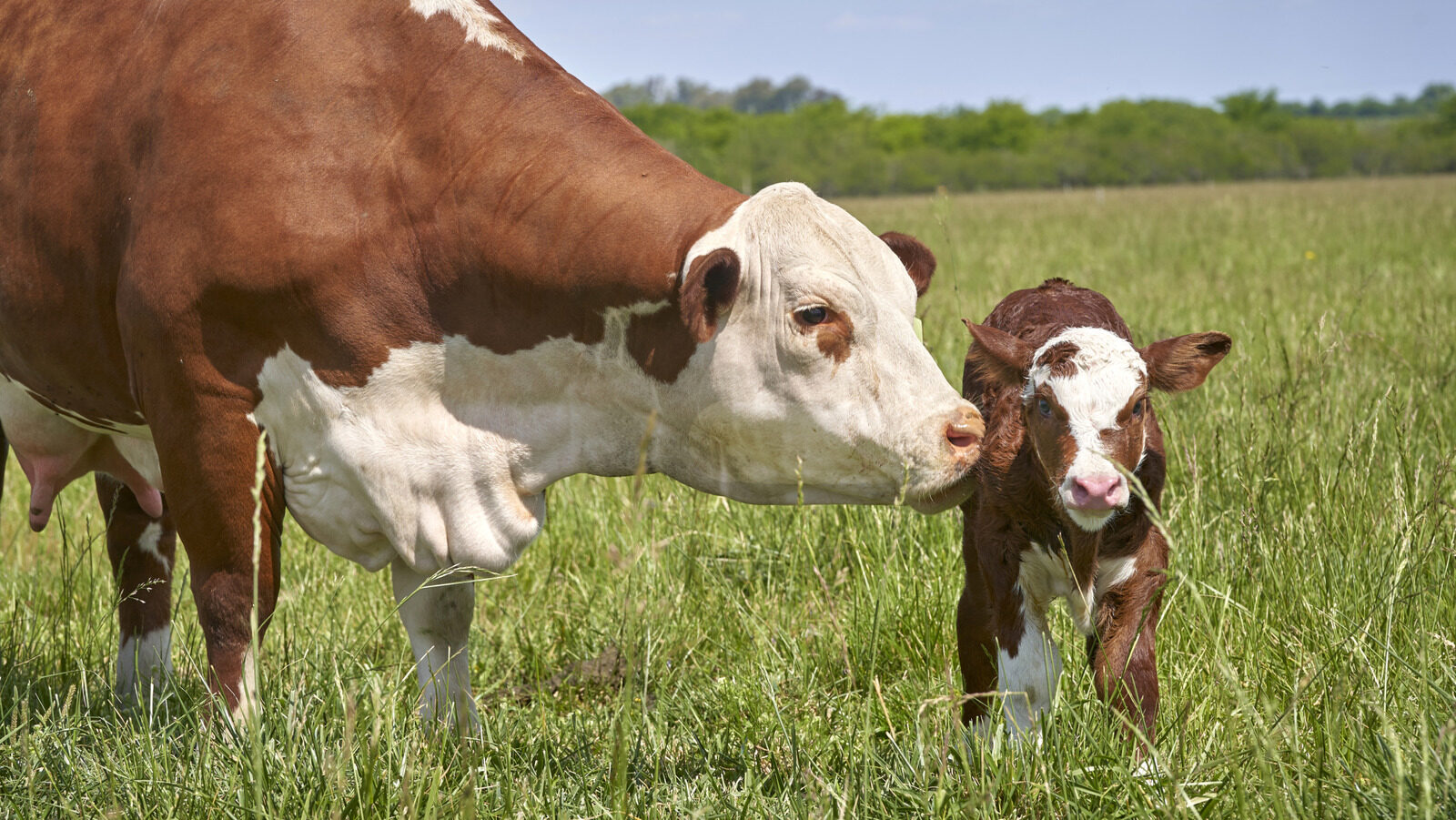
Dr. Daniel Weary and his team from the University of British Columbia have been at the forefront of this research, demonstrating that cows can exhibit complex emotional responses. For instance, the emotional bond between mother cows and their calves is profound, forming almost immediately after birth. This relationship is crucial for the calves’ psychological development.
- Cows possess long-term memory capabilities.
- They form social bonds and can recognize individual herd members.
- Calves demonstrate attachment behaviors similar to human infants.
The impact of early separation on emotional behavior
One of the most troubling practices in the dairy industry is the early separation of calves from their mothers, often occurring just days after birth. This practice can have significant emotional repercussions, leading to behaviors that may be classified as pessimistic.
In a pivotal study, Weary’s research team trained calves to associate various colored screens with treats. After separating some calves from their mothers, they noted a marked change in behavior: calves that had suffered this trauma were less willing to explore new stimuli compared to those that remained with their mothers.
The findings suggest that:
- Calves separated from their mothers exhibited signs of anxiety.
- They were less likely to approach ambiguous stimuli, indicating a negative judgment bias.
- Such experiences can lead to long-term behavioral changes, impacting their overall quality of life.
The role of judgment bias in animal behavior
The concept of judgment bias is central to understanding pessimism in dairy cows. Essentially, it refers to how animals interpret ambiguous situations based on their past experiences. In the case of the calves studied by Weary, those who had been traumatized by separation and dehorning exhibited a tendency to expect negative outcomes.
This shift in behavior is critical for understanding how trauma affects decision-making. For example, when faced with mixed shades of color, calves that remained with their mothers were willing to take risks for potential rewards, while those that had been separated were significantly more cautious. This aversion to risk-taking is a hallmark of pessimism, demonstrating a clear link between emotional trauma and behavioral outcomes.
Innovative research shaping our understanding of bovine psychology
The 21st century has ushered in a new era of research focused on the psychology of cows. Several studies have provided groundbreaking insights into their cognitive and emotional capabilities. For instance:
- A 2009 study from the University of Paris showed that cattle could recognize and distinguish individual members of their herd.
- A 2019 study from the University of Sydney revealed that vocalizations among cattle are influenced by their emotional states, suggesting a form of communication regarding their feelings.
- Researchers have also documented the presence of social hierarchies within herds, indicating that cows are capable of complex social interactions.
These findings not only enhance our understanding of bovine behavior but also highlight the importance of improving welfare standards in the dairy industry.
Improving dairy cow welfare through informed practices
Recognizing the psychological needs of dairy cows is essential for implementing better welfare practices. By understanding their emotional lives, farmers can make informed decisions that enhance the cows’ quality of life. Some recommended practices include:
- Minimizing separation time between mothers and calves.
- Implementing pain management protocols during procedures like dehorning.
- Encouraging social interactions among cows to promote emotional health.
These strategies can mitigate the impacts of trauma and foster a more humane environment for dairy cows, ultimately leading to improved productivity and healthier animals.
The broader implications of understanding bovine emotions
The study of cow emotions extends beyond just improving welfare; it also has implications for the dairy industry as a whole. Understanding that cows are capable of complex emotional responses can lead to more ethical farming practices and a shift in consumer attitudes. As awareness grows, consumers are increasingly demanding transparency and humane treatment within the food industry.
Ultimately, integrating knowledge about bovine psychology into farming practices could result in a more sustainable industry. By prioritizing animal welfare, farmers could not only enhance the quality of life for their cows but also improve the quality of milk and dairy products, aligning with consumer demands for ethical sourcing.
Future directions in bovine behavior research
As research continues to evolve, many opportunities lie ahead for advancing our understanding of bovine behavior and psychology. Future studies could explore:
- The long-term effects of emotional trauma on dairy cow productivity.
- Innovative methods for reducing stress in dairy farming environments.
- The impact of positive reinforcement training on cow behavior and welfare.
By addressing these questions, researchers and farmers alike can contribute to a more humane and productive dairy industry, ensuring that the emotional well-being of cows is prioritized alongside their physical needs.