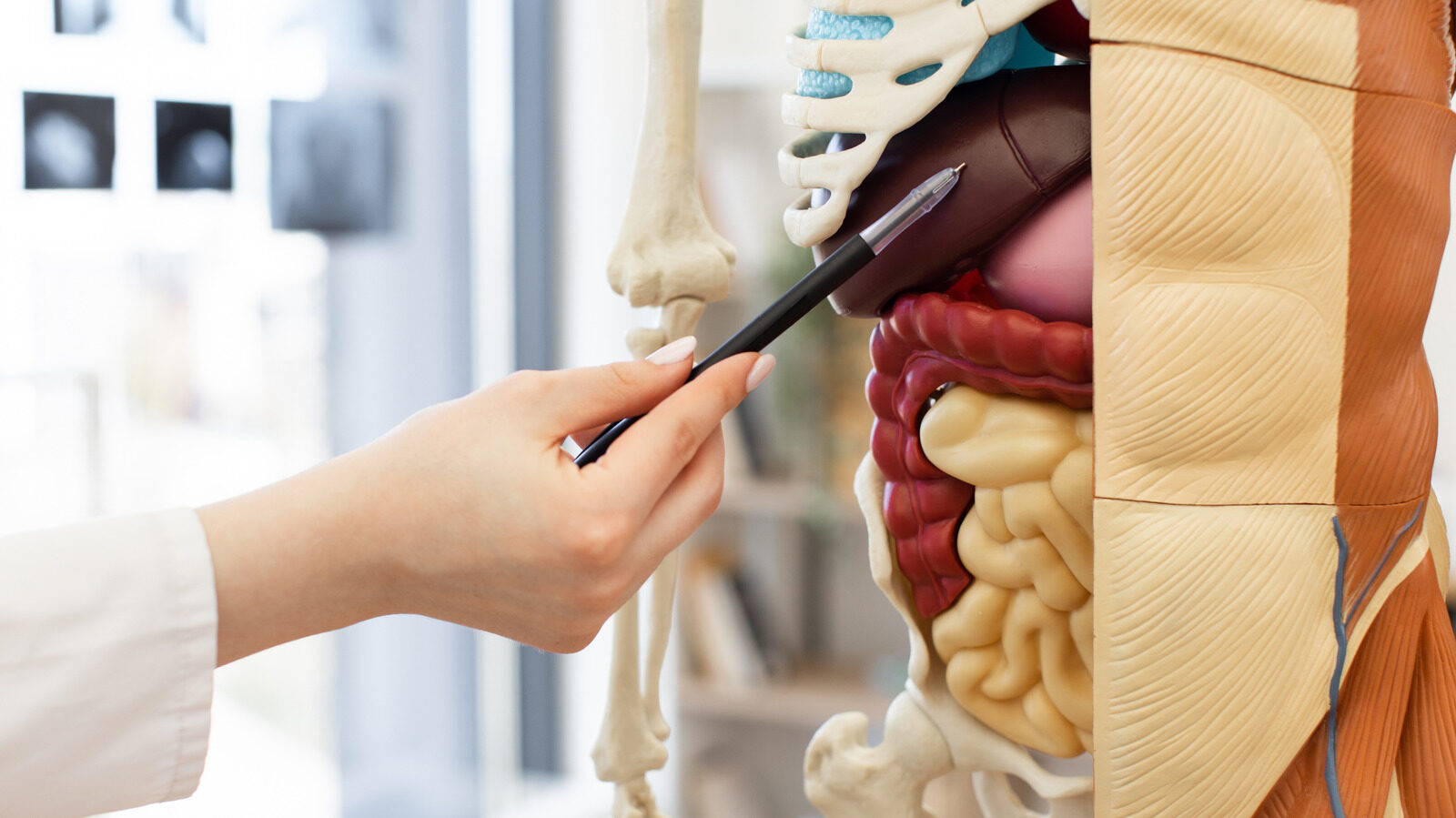
The liver is an extraordinary organ that plays a vital role in maintaining our overall health. Its unique ability to regenerate makes it stand out among human organs. Understanding this remarkable function can shed light on how we can protect our liver and promote its healing potential. This article will explore the mechanics of liver regeneration, its limits, and the implications for our health.
Understanding the liver’s regenerative capabilities
The liver is not only one of the largest organs in the human body but also one of the most crucial. Its primary functions include filtering toxins from the blood, producing essential proteins, and aiding in digestion through bile production. The liver is primarily composed of hepatocytes, which make up about 80% of its mass. These cells are responsible for many of the liver’s functions, especially in detoxification.
Unlike other organs, the liver has a remarkable ability to regenerate itself after injury or damage. This regenerative process allows the liver to recover from various conditions, such as fatty liver disease or damage due to excessive alcohol consumption. In fact, studies suggest that the liver can regenerate up to 90% of its mass after surgical removal or injury.
The liver’s ability to regenerate is primarily due to the replication of hepatocytes. When liver cells are damaged, they release specific protein signals that alert surrounding cells to begin the regeneration process. This response enables the liver to quickly replace lost or damaged cells, ensuring that its vital functions continue unabated.
- The liver can regenerate itself by duplicating its hepatocytes.
- It can recover from significant damage, such as surgical removal of a portion.
- Protein signals released by damaged cells initiate the healing process.
- Rapid replication of liver cells ensures the liver’s functions remain intact.
The cellular mechanics behind liver regeneration
Recent breakthroughs in scientific research have revealed the intricate cellular mechanisms responsible for liver regeneration. Studies published in renowned journals have shown that hepatocytes are primarily responsible for creating new liver cells, debunking previous theories that suggested stem cells played a more significant role.
The regeneration process occurs mainly in a specific region of the liver known as “zone 2,” which is situated between the enzyme-producing zone 1 and the waste-disposing zone 3. This area is crucial for maintaining the liver’s health, as it is here that damaged cells are replaced with healthy new ones.
During the regeneration process, several factors come into play:
- Cell signaling: Damaged hepatocytes release signals to inform neighboring cells of the injury.
- Replication: Healthy hepatocytes begin to replicate quickly to replace lost cells.
- Inflammatory response: The liver’s immune response helps clean up damaged tissue.
- Zone-specific activity: Zone 2 hepatocytes are most active in regeneration due to their positioning.
This understanding is vital, as it highlights the liver’s self-healing capabilities while also revealing potential vulnerabilities in the regenerative process.
Exploring the limits of liver regeneration
Despite the liver’s extraordinary regenerative abilities, there are limits to how much it can recover. Chronic exposure to toxins, such as alcohol, certain medications, and a poor diet, can overwhelm the liver’s regenerative capacity. Over time, this can lead to a condition called fibrosis, where scar tissue replaces healthy liver tissue.
When the liver is damaged repeatedly or severely, it struggles to regenerate effectively. This prolonged damage can result in:
- Inflammation: Chronic liver inflammation can hinder the regeneration process.
- Scarring: The formation of scar tissue compromises liver function.
- Cirrhosis: Advanced scarring can lead to cirrhosis, a potentially life-threatening condition.
- Liver cancer: Chronic liver damage increases the risk of liver neoplasia and cancer.
A critical point is that while hepatocytes can regenerate, they require adequate time and conditions to do so. Continuous damage can outpace the liver’s ability to heal, leading to irreversible consequences.
Factors affecting liver health and regeneration
Maintaining liver health is essential for ensuring its regenerative capabilities remain intact. Several factors can influence the liver’s ability to recover, including:
- Diet: A balanced diet rich in antioxidants, vitamins, and minerals supports liver function.
- Alcohol consumption: Excessive intake can lead to liver damage and hinder regeneration.
- Exercise: Regular physical activity helps maintain a healthy weight and reduces liver fat.
- Medications: Some drugs can be toxic to the liver; always consult a healthcare professional.
Being aware of these factors can empower individuals to make informed choices that promote liver health and enhance its regenerative abilities.
The future of liver health research
As research into liver regeneration continues to evolve, scientists are exploring innovative therapies aimed at enhancing the liver’s healing process. These include potential treatments that harness the power of stem cells or genetic engineering to boost liver function.
Current studies are focusing on:
- Stem cell therapies: Investigating the potential of stem cells to assist in liver regeneration.
- Gene editing: Exploring genetic modifications to enhance liver cell replication.
- Pharmaceuticals: Developing drugs that can bolster liver repair mechanisms.
This research holds promise for addressing liver diseases and improving outcomes for patients with chronic liver conditions.