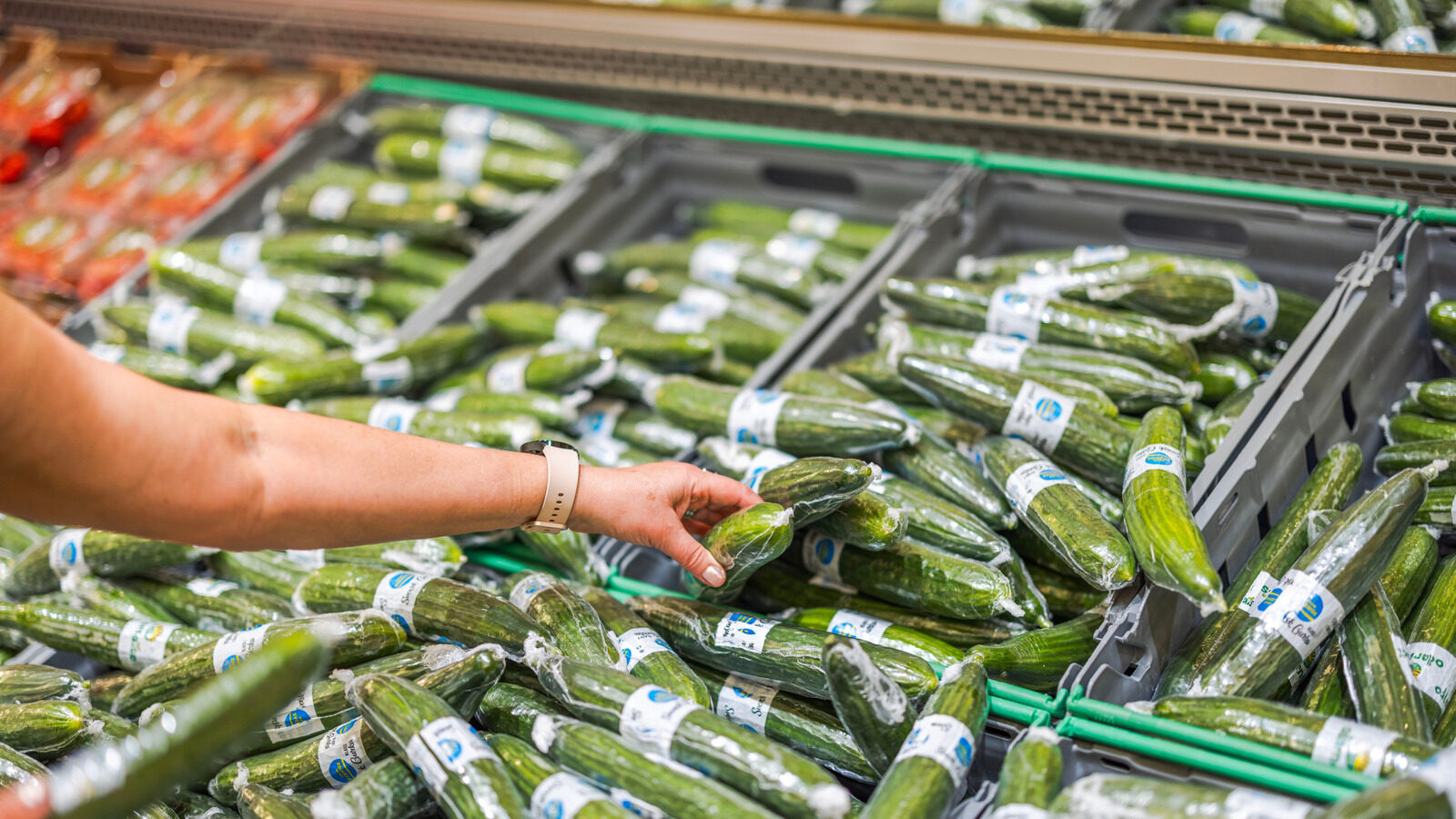
In recent years, the debate over plastic waste has intensified, pushing consumers to question the necessity of plastic packaging, especially in the food industry. A common sight in supermarkets worldwide is the plastic-wrapped cucumber, a practice that seems counterproductive in the fight against plastic pollution. However, the implications of this practice are more nuanced than one might think.
Research indicates that there could be environmental benefits to wrapping cucumbers in plastic, particularly in regions where these vegetables are not grown year-round. Understanding the complexities behind this practice can help consumers make informed choices about their purchases and their environmental impact.
The environmental impact of plastic packaging varies by region
The question of whether wrapping cucumbers in plastic is beneficial for the environment doesn’t have a straightforward answer. A study from Switzerland highlighted this complexity, exploring the concept of global warming potential (GWP) associated with plastic packaging. While the study found that plastic wrapping may reduce food waste, it also raised questions about the broader environmental consequences of plastic waste.
In different countries, the effects of plastic waste can vary significantly due to their recycling practices and waste management systems. The researchers noted that Switzerland, known for its advanced recycling capabilities, sees different outcomes compared to countries with less effective systems. Here are some key points to consider:
- Recycling Efficiency: Countries like Switzerland have efficient recycling programs that can mitigate the negative effects of plastic waste.
- Landfill Challenges: In nations where plastics frequently end up in landfills, the environmental repercussions are much greater due to longer degradation times and microplastic contamination.
- Microplastics: The impact of microplastics on ecosystems and human health remains largely unknown, overshadowing the beneficial aspects of reduced food waste.
Consequently, while the Swiss study suggests that the environmental benefits of wrapping cucumbers possibly outweigh the negatives, this is not universally applicable, especially in regions with poor waste management.
Understanding the environmental trade-offs of cucumbers in plastic
The complexity of the environmental trade-offs associated with plastic-wrapped cucumbers lies in the balance between food preservation and plastic waste. For instance, the study from Switzerland concluded that the effect of avoiding food waste—specifically cucumbers—was substantially beneficial, emphasizing a reduction of nearly 5% in waste, which is significant.
However, defining “environmental impact” requires careful consideration of various factors, such as:
- Carbon Emissions: The carbon footprint associated with the production and disposal of plastics is considerable and needs to be factored into any analysis.
- Decomposition Time: Plastic can take hundreds of years to decompose, during which it may release harmful substances into the environment.
- Food Waste Statistics: Globally, around 1.3 billion tons of food are wasted each year, making the reduction of this waste crucial in combating climate change.
Thus, while wrapping cucumbers in plastic may seem like a small aspect of the broader environmental conversation, it encapsulates significant issues surrounding food waste, plastic pollution, and sustainable practices.
Reasons for wrapping cucumbers in plastic
Cucumbers are often wrapped in plastic for several critical reasons that contribute to their preservation during transport and storage:
- Moisture Retention: Cucumbers have a high water content (about 96%) and can lose moisture quickly, leading to wilting and spoilage.
- Protection from Damage: The plastic wrap helps prevent bruising and damage, which can lead to produce being deemed unsellable.
- Preventing Decay: Wrapping cucumbers protects them from oxygen, which can promote the growth of bacteria and fungi.
These factors collectively contribute to reducing waste, but they also highlight the tension between convenience and environmental responsibility.
Consumer choices and sustainable practices
As consumers become more aware of the environmental implications of their purchases, making informed choices is crucial. Here are some strategies to reduce plastic consumption while still enjoying fresh produce:
- Buy Local: Purchasing from local farmers reduces the need for long-distance transportation and often eliminates excess packaging.
- Seasonal Purchases: Opt for seasonal fruits and vegetables to minimize reliance on imported goods that may be wrapped in plastic.
- Support Sustainable Brands: Look for brands that prioritize eco-friendly packaging and sustainable farming practices.
By embracing these strategies, consumers can play an active role in reducing their plastic footprint while still supporting food systems that prioritize sustainability.
The future of food packaging
Looking ahead, the conversation surrounding food packaging, particularly with plastics, is evolving. Innovations in biodegradable and compostable materials present exciting alternatives to traditional plastic. Here are some developments to watch:
- Bioplastics: Derived from renewable biomass sources, these materials aim to provide a more sustainable option for food packaging.
- Edible Packaging: Some companies are experimenting with edible materials that can replace plastic, allowing consumers to consume the packaging along with the food.
- Smart Packaging: Technology that monitors freshness and spoilage can help reduce waste by informing consumers about the best time to consume their produce.
As these technologies develop, the hope is that they will reduce reliance on conventional plastics while ensuring food safety and reducing environmental impact.