
The world beneath our feet teems with life, much of it unseen and often underestimated. While many focus on the creatures that roam above ground, a fascinating realm exists in the dark, damp soil. Here, giant earthworms, known as the biggest worms, play a crucial role in maintaining healthy ecosystems.
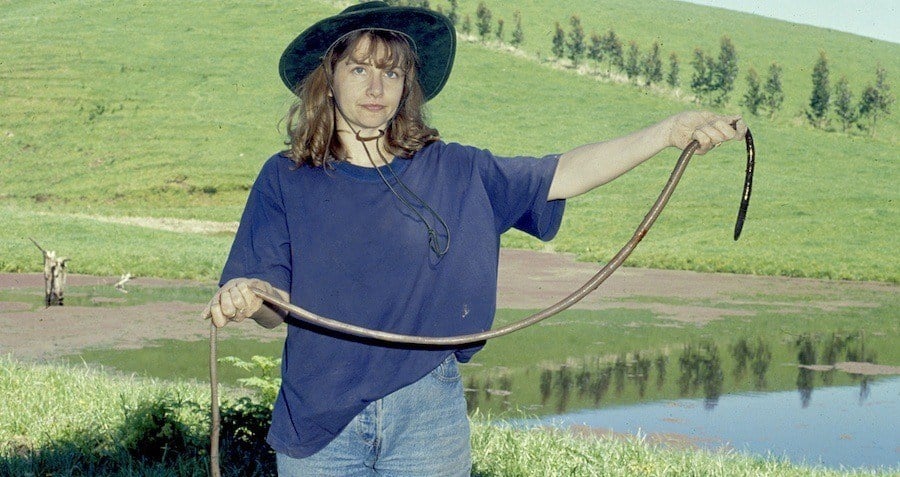
Among these remarkable creatures is the Gippsland earthworm, native to Australia and renowned for its colossal size. Reaching lengths of up to six and a half feet, it holds the title of what is the largest worm in the world. This gentle giant, first discovered in 1878 by railroad workers who initially mistook it for a snake, lives a hidden life within the soil, silently contributing to the intricate web of life that sustains our planet.
Unveiling the secrets of this extraordinary creature offers a glimpse into the wonders that lie beneath our feet and underscores the importance of protecting these often overlooked inhabitants of our world.
The Giant Gippsland Earthworm: A Victorian Wonder
The Gippsland earthworm is a true marvel of the natural world, found exclusively in the southeastern region of Victoria, Australia. Its remarkable size and unique adaptations have made it a subject of fascination for scientists and nature enthusiasts alike. These gentle giants prefer moist environments, burrowing deep into the fertile soil where they can thrive undisturbed. Their bodies are segmented, with a series of rings that allow them to move smoothly through the earth, leaving behind telltale trails as they navigate their underground realm.
One of the most intriguing aspects of the Gippsland earthworm is its distinctive gurgling sound as it moves within its burrows. This peculiar noise, caused by the worm’s muscular contractions and the movement of soil particles, can be heard by those who venture close enough to listen intently. This auditory clue helps us understand the hidden activities taking place beneath our feet, reminding us that even the smallest creatures can have a profound impact on their environment.
These remarkable worms play a vital role in maintaining soil health through their constant burrowing and consumption of organic matter. As they move through the earth, they aerate the soil, improving drainage and nutrient availability for plants. Their castings, or excrement, are rich in nutrients and help to fertilize the surrounding area, contributing to the overall fertility of the land.
Life Underground: Habitat and Diet of a Giant Worm
The Gippsland earthworm’s life is a testament to the wonders of adaptation, perfectly suited to its subterranean existence. These gentle giants create intricate burrows within the moist, fertile soils of southeastern Victoria, where they spend their days navigating the darkness and consuming organic matter. These burrows serve as both home and highway, allowing them to travel through the soil with ease while accessing a steady supply of food.
Their diet consists primarily of bacteria, algae, fungi, and microbes found in the soil. These microscopic organisms are essential components of the ecosystem, breaking down organic matter and releasing nutrients back into the environment. By consuming these microbes, the Gippsland earthworm plays a vital role in recycling nutrients and maintaining the health of the soil. They even use ingested rocks to grind up their food, demonstrating the remarkable ingenuity of nature’s designs.
These underground ecosystems are home to a complex web of life, with each creature playing a crucial role in maintaining the balance. The Gippsland earthworm’s burrowing activities aerate the soil, improving drainage and nutrient availability for plants. Their castings, or excrement, are rich in nutrients and contribute to the overall fertility of the land, showcasing the interconnectedness of life beneath our feet.
 Snake With Hammerhead: Invasive Giant Worm Found in Virginia
Reproduction and the Threat to Their Existence
Despite their impressive size and unique adaptations, the Gippsland earthworms face a significant threat to their existence: habitat loss. These gentle giants are hermaphroditic, meaning each individual possesses both male and female reproductive organs. When it’s time to reproduce, they line up beside each other in pairs, with one worm delivering sperm to fertilize the other’s eggs. This fascinating process ensures genetic diversity within their population, but unfortunately, human activities are encroaching on their natural habitat at an alarming rate.
Farming practices that introduce toxins into the soil pose a serious danger to these sensitive creatures. The use of pesticides and herbicides can contaminate their burrows, disrupting their delicate ecosystem and harming their health. In addition, clearing land for agriculture and urban development destroys vast stretches of their vital habitat, leaving them with dwindling spaces to survive and reproduce. As a result, their populations have been reduced to a mere 150 square miles in southern Australia, highlighting the urgent need for conservation efforts to protect this unique species.
Their story serves as a poignant reminder that even the largest creatures can be vulnerable when faced with human-induced environmental challenges. Preserving these extraordinary earthworms requires a concerted effort to protect their habitat and promote sustainable practices that minimize the impact on their delicate ecosystem.
Conservation Efforts for This Unique Species
The plight of the Gippsland earthworm has spurred conservation efforts aimed at protecting this unique species and its fragile habitat. Recognizing the importance of these gentle giants in maintaining healthy ecosystems, various organizations and individuals are working tirelessly to ensure their survival for future generations. These conservationists are implementing strategies that focus on both habitat protection and public awareness.
One crucial aspect of conservation involves establishing protected areas where human activity is restricted to minimize disturbance to the earthworms’ environment. Educating the public about the importance of these creatures and the threats they face is another vital step. By raising awareness, we can encourage individuals to adopt sustainable practices that benefit both wildlife and the environment.
Research efforts are also underway to gain a deeper understanding of the Gippsland earthworm’s biology and ecology. This knowledge will inform conservation strategies and help identify effective ways to mitigate threats to their survival. The goal is to ensure that these remarkable creatures continue to thrive in their natural habitat, reminding us of the interconnectedness of all life on Earth.
Protecting Australia’s Largest Beings
The conservation of the Gippsland earthworm extends beyond protecting a single species; it represents a broader commitment to safeguarding Australia’s unique biodiversity. These gentle giants are a symbol of the rich and diverse ecosystems that thrive in this vast continent. They serve as vital indicators of environmental health, reminding us that even the smallest creatures play a crucial role in maintaining the balance of nature.
Protecting these magnificent creatures necessitates a multifaceted approach that involves collaboration between scientists, conservationists, policymakers, and communities. Education plays a key role in fostering a sense of responsibility towards the environment and inspiring action to protect vulnerable species. By raising awareness about the importance of biodiversity and the threats facing what is the biggest worm in the world, we can empower individuals to make informed choices that contribute to a sustainable future.
Ultimately, the success of conservation efforts depends on our collective commitment to preserving Australia’s natural heritage for generations to come. By recognizing the interconnectedness of all life and embracing responsible stewardship practices, we can ensure that these remarkable creatures continue to thrive in their natural home.