Have you ever stopped to marvel at the antics of squirrels? These endearing creatures are not just common backyard visitors; they exhibit a range of fascinating behaviors that often leave us puzzled. From their impressive agility to their quirky social interactions, squirrels display traits that are as entertaining as they are intriguing. Let’s dive into the strange and captivating world of squirrels and discover the reasons behind their odd behaviors.
Acrobatic displays: The art of squirrel agility
One of the most captivating aspects of squirrel behavior is their remarkable agility. These furry acrobats are known for their impressive jumping abilities, navigating trees and obstacles with ease. This acrobatic talent is not merely for show; it’s a critical survival skill.
Squirrels can leap distances up to ten times their body length, allowing them to evade predators and traverse their territory efficiently. Their ability to remember the layout of their environment helps them perform these stunts in unfamiliar landscapes, including urban areas.
- Exploring new environments: Squirrels adapt quickly, learning the safest routes between trees and buildings.
- Predator evasion: Their agility allows them to escape from birds of prey and other threats.
- Foraging efficiency: Quick movements enable them to gather food swiftly, an essential skill for survival.
Why do squirrels dig holes in your yard?
As the leaves fall in autumn, you might notice squirrels digging holes in your garden or yard. This behavior, while frustrating for some homeowners, is a natural part of a squirrel’s survival strategy. Squirrels dig to create food caches, storing nuts and seeds to sustain themselves during winter months.
Each eastern gray squirrel can bury up to 10,000 nuts annually, meticulously hiding them in various locations. They can remember roughly 1,000 of these spots, which is vital since many of their hidden treasures are often pilfered by other squirrels.
- Natural lawn aeration: The holes squirrels dig can actually help aerate your lawn.
- Food supply: These caches are essential for their survival, especially when food is scarce.
- Seasonal behavior: Digging is most prevalent in fall as squirrels prepare for winter.
The curious act of lying on their stomachs
On hot summer days, you may observe a squirrel lying flat on its stomach, a behavior known as splooting. This position is not a sign of distress; rather, it’s a method for cooling down. Squirrels have sweat glands in their paws, and lying on a cool surface helps them regulate body temperature.
In a world where temperatures are rising due to climate change, splooting may become more common as squirrels seek relief from heat. This behavior illustrates not only their adaptability but also the impact of environmental changes on wildlife.
What does tail flicking mean?
Just like many pets, squirrels communicate using their tails. If you observe a squirrel flicking its tail while perched high on a tree or fence, it could signify several things:
- Warning signals: A flicking tail may indicate that a squirrel has spotted a predator.
- Balance assistance: Squirrels use their tails to maintain equilibrium as they navigate treetops.
- Mating displays: During mating season, males might flick their tails to attract females.
Understanding these tail movements can enhance your appreciation of squirrel behavior and their social interactions.
Vocalizations: The sounds of squirrels
Squirrels are not just acrobats; they are also vocal creatures. Their varied sounds, ranging from high-pitched whistles to bark-like calls, serve multiple purposes. For instance:
- Alert signals: Sharp whistles often indicate danger, warning other squirrels of approaching predators.
- Distress calls: Frantic barking can signal alarm or discomfort, especially in the presence of threats.
- Mating communications: During mating season, vocalizations become more frequent as squirrels engage with potential mates.
Listening to these sounds adds another layer to the experience of observing squirrels in their natural habitat.
Building nests: The creation of dreys
During the fall, you might see squirrels gathering materials to build large, round nests known as dreys. These nests, often constructed high in trees, consist of leaves, twigs, and moss, providing shelter and protection for their young.
Eastern gray squirrels, in particular, are known for their impressive dreys, which can reach up to two feet in diameter. Nest-building is not only a survival tactic but also an important teaching tool for young squirrels, who learn the skills necessary for building their own nests as they mature.
Seeking shelter in human homes
While observing squirrels in their natural environment is delightful, encountering them in your home can be problematic. Squirrels may seek refuge in attics or basements, especially during cold weather. They often do this to protect themselves and their young from harsh conditions.
To prevent squirrels from taking residence in your home, consider the following steps:
- Seal entry points: Ensure that all gaps and holes in your home are closed off to block access.
- Remove food sources: Keep outdoor food and bird feeders clean to deter squirrels.
- Professional assistance: If squirrels have already entered your home, contact wildlife professionals who can safely relocate them.
Understanding this behavior helps homeowners manage their interactions with these determined little creatures.
Bold encounters: Why squirrels approach humans
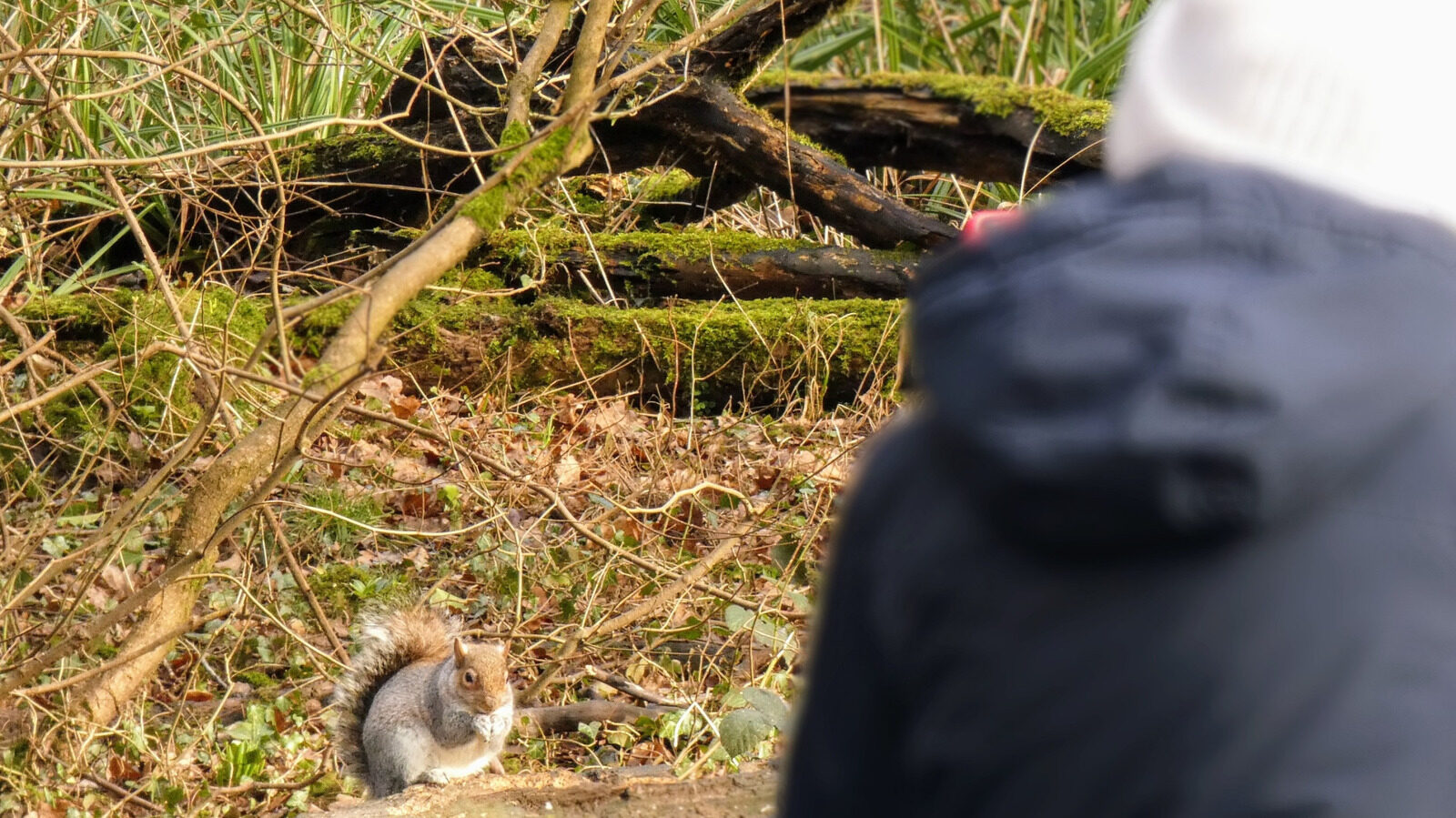
Squirrels in urban areas often exhibit boldness, sometimes approaching humans directly. This behavior may stem from their habituation to human presence, especially if they associate people with food. While it can be amusing to watch, it’s important to remember that squirrels are still wild animals.
When a squirrel approaches you, consider the following:
- Avoid feeding them: Hand-feeding can lead to aggressive behavior and dependency.
- Keep a safe distance: Observe from afar to respect their space and prevent stress.
- Contact professionals if necessary: If a squirrel appears sick or injured, reach out to wildlife experts.
By understanding the reasons behind their approach, you can enjoy these encounters while ensuring the safety of both yourself and the squirrel.