Dinosaurs have always captivated our imagination, particularly the majestic giants that roamed the Earth millions of years ago. However, there’s a world of intrigue surrounding the smaller species, often overshadowed by their larger counterparts. One such fascinating creature is Epidexipteryx, a small dinosaur that showcases some of the most unique features known in paleontology.
Discovered in 2008, Epidexipteryx challenges our understanding of dinosaur physiology and behavior. This article delves into the characteristics, lifestyle, and evolutionary significance of this remarkable creature, revealing why small dinosaurs deserve just as much attention as their colossal relatives.
Unique Characteristics of Epidexipteryx
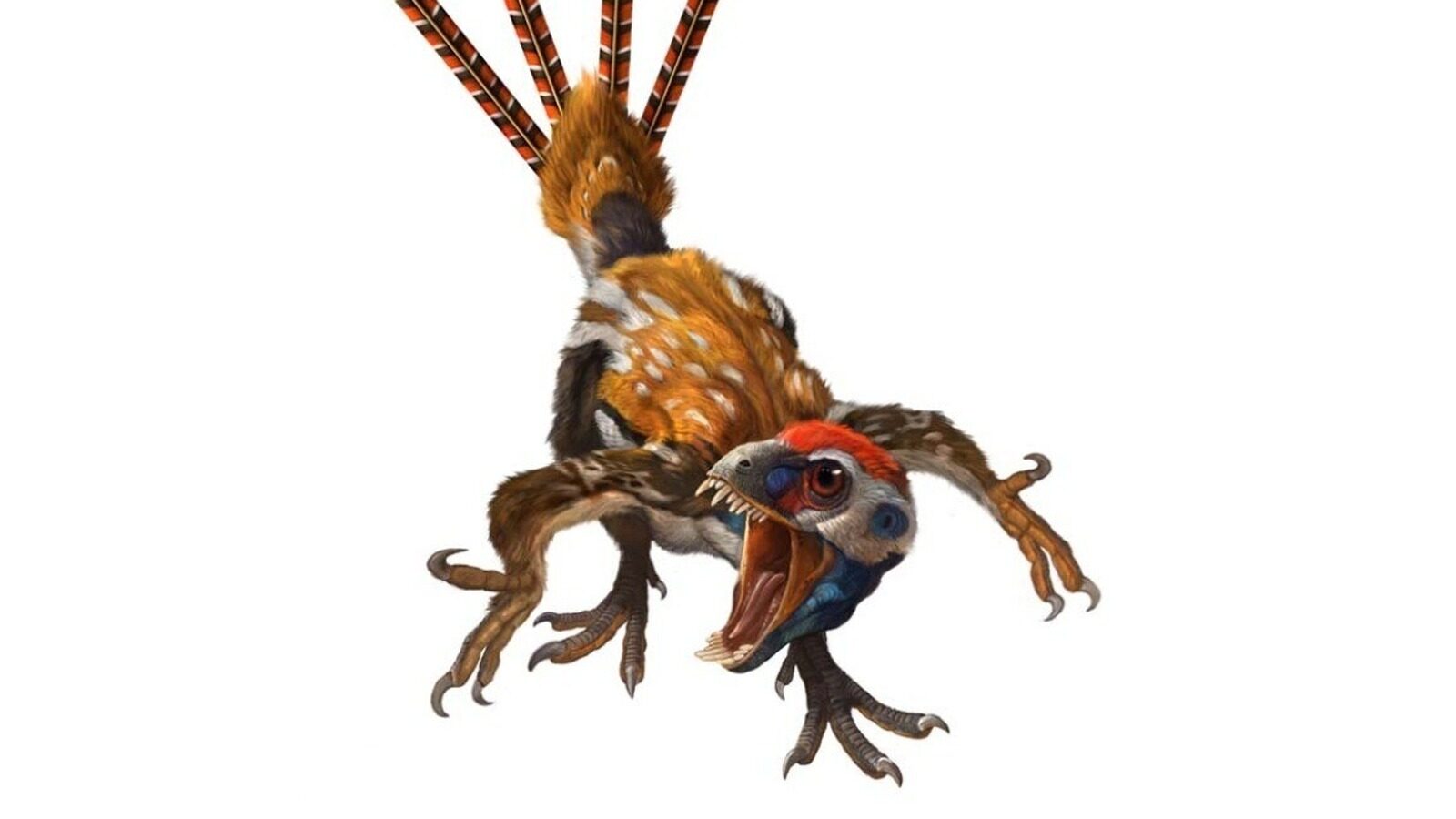
Epidexipteryx was not only small but also strikingly unique in its physical features. This dinosaur was roughly the size of a pigeon, weighing less than 6 ounces, and had a bipedal posture. Its fossil evidence indicates that it lived during the Jurassic Period, approximately 168 to 152 million years ago, a time preceding the first birds.
- Size: Comparable to a pigeon, making it one of the smallest known dinosaurs.
- Weight: Less than 6 ounces, indicating a lightweight structure.
- Time Period: Lived during the Jurassic, suggesting a transitional phase in dinosaur evolution.
What sets Epidexipteryx apart is its remarkable display of feathers. Unlike the typical feathers seen in modern birds, the feathers of this dinosaur were more akin to fur, providing insulation. Additionally, it possessed long, ribbon-like tail feathers, which were likely used for display rather than for flight.
Feathers for show, fingers for climbing
Paleontologists have long acknowledged that many dinosaurs had feathers, but Epidexipteryx is notable for being the oldest dinosaur found with ornamental feathers. Its name, Epidexipteryx hui, honors the paleontologist Hu Yaoming, who contributed significantly to the field.
While its feathers were primarily for display, Epidexipteryx had other adaptations that enhanced its survival. Its front limbs featured long fingers with pointed claws, ideal for climbing trees. This dinosaur likely utilized its elongated digits not only to navigate its arboreal environment but also to forage for food by probing into tree holes and burrows.
Despite the absence of membrane wings in the Epidexipteryx fossil, its close relatives in the scansoriopterygid family—such as Yi qi and Ambopteryx—did possess these adaptations. Some scientists speculate that Epidexipteryx may have had a similar feature, although this would have been an evolutionary path leading nowhere in terms of powered flight. Instead, it might have been equipped to glide between trees, resembling modern flying squirrels.
The Ecological Niche of Epidexipteryx
Understanding the ecological role of Epidexipteryx offers insights into the behavior and adaptation of small dinosaurs. Its adaptations imply that it was likely arboreal, spending a significant amount of time in trees. This lifestyle would have provided various advantages:
- Predator Avoidance: Living in trees would help avoid ground-dwelling predators.
- Access to Food: Arboreal habitats may offer a diverse range of insects and plant material.
- Social Interactions: The display feathers may have played a role in mating rituals and social hierarchies.
These factors underscore the complexity of dinosaur ecosystems and how small species contributed to their environments, often playing vital roles that larger dinosaurs could not fulfill.
 Uninhabited Islands: Exploring Worlds Without People
Evolutionary Significance of Epidexipteryx
The evolutionary lineage of Epidexipteryx offers a glimpse into the transition from non-avian dinosaurs to birds. Although it is not a direct ancestor of modern birds, its unique features place it within a close phylogenetic relationship to them. The presence of feathers and potential gliding adaptations highlight the gradual evolution of flight-related characteristics in dinosaurs.
As paleontologist Zhonghe Zhou noted, Epidexipteryx represents an important evolutionary step, showcasing how various traits developed over millions of years. The combination of its unusual body plan and feather morphology suggests that these small creatures were experimenting with flight and display long before the advent of true avian species.
Implications for Paleontological Research
The study of Epidexipteryx and similar small dinosaurs challenges traditional views in paleontology. Typically, research has focused on larger dinosaurs, often overlooking the ecological and evolutionary contributions of smaller species. By examining fossils like those of Epidexipteryx, scientists can better understand the full spectrum of dinosaur evolution.
Ongoing research in this area continues to unveil significant findings:
- Fossil Discoveries: New fossils provide insights into the diversity of dinosaur life.
- Behavioral Analysis: Studying physical traits helps reconstruct the behaviors of these creatures.
- Evolutionary Relationships: Clarifying the connections between dinosaurs and modern birds enhances our understanding of avian evolution.
As paleontology evolves, the appreciation of small dinosaurs like Epidexipteryx enriches the narrative of life on Earth during the Mesozoic era, reminding us that size does not determine significance in the natural world.