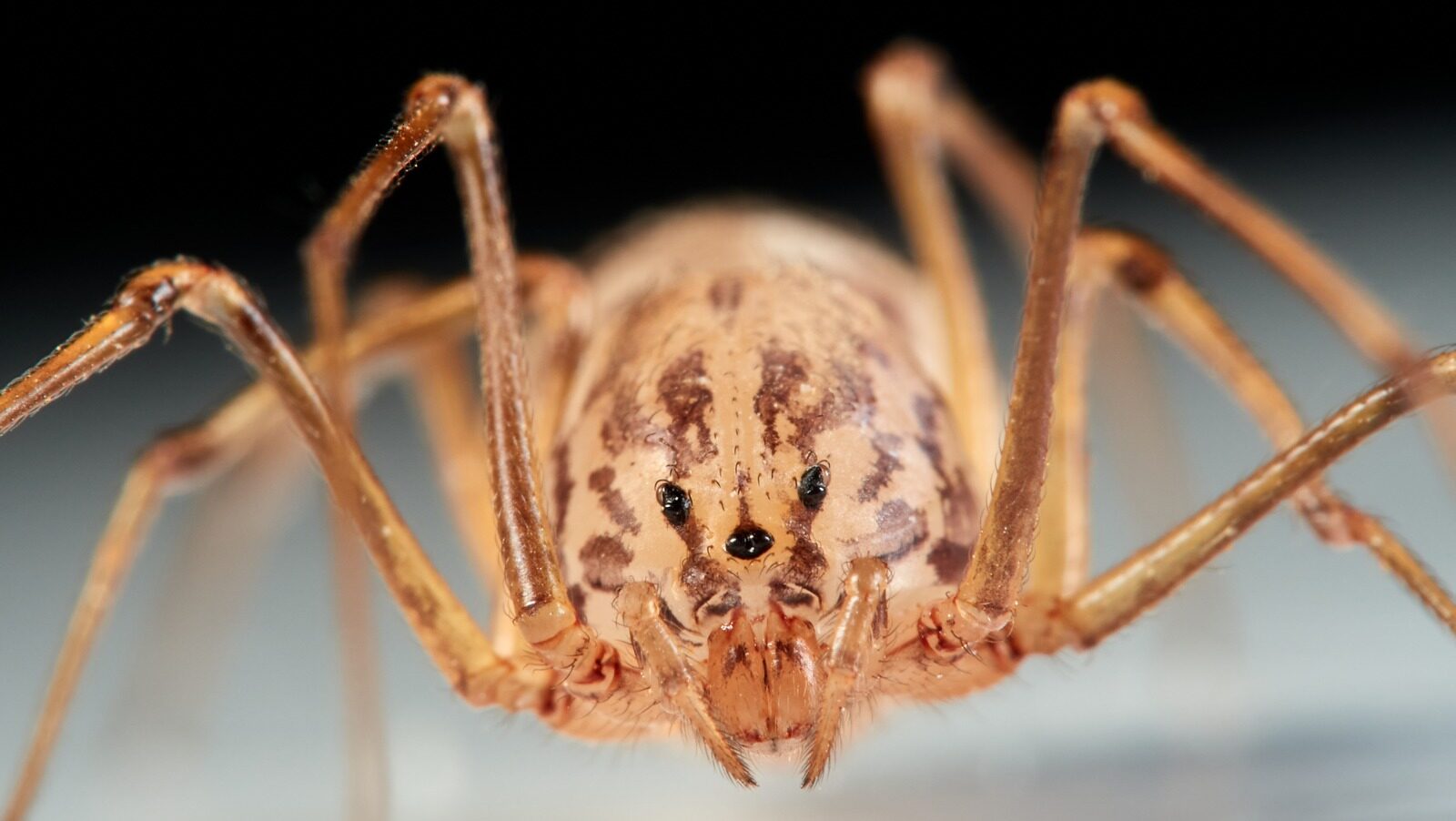
When it comes to the world of arachnids, few creatures are as fascinating and fearsome as the Scytodes spider. Known for its unique hunting technique involving a sticky, immobilizing substance, this spider exemplifies the remarkable adaptations found in nature. Let’s delve deeper into the captivating life of the Scytodes spider and uncover its astonishing behaviors, including its cannibalistic tendencies.
Understanding the Scytodes spider’s hunting methods
Scytodes spiders, commonly referred to as spitting spiders, employ a highly effective and distinctive hunting technique that sets them apart from the majority of their arachnid relatives. While most spiders rely on webs and venomous fangs to catch their prey, Scytodes spiders utilize a combination of silk, glue, and venom to immobilize and consume their victims.
This hunting strategy begins with the spider using its two front legs to tap around its target. This behavior is crucial as it helps the spider gauge the best angle from which to launch its attack. Once in position, the spider rapidly ejects a sticky fluid from its fangs, creating a net-like trap that ensnares its prey.
Here’s how this fascinating process unfolds:
- Preparation: The spider uses its front legs to identify the optimal spot to aim.
- Launch: It fires silk from its fangs at an astonishing speed of up to 30 meters per second.
- Congeal: Upon contact, the silk quickly solidifies, effectively trapping the prey.
- Venom Injection: After immobilization, the spider injects venom to paralyze its victim.
- Digestion: The spider secretes a corrosive saliva that liquefies the insides of the prey, allowing it to consume the nutrients easily.
This method is not only efficient but also gruesome, as it allows the spider to extract the internal fluids of its prey almost as if it were sipping a shake made from insect remains.
The biological makeup of Scytodes spiders
The Scytodes family consists of over 200 species, with the most notable being Scytodes thoracica. This spider is distributed widely across Europe, Africa, and parts of Asia, and even has introduced populations in North America and Australia. Despite its small size, ranging from 0.12 to 0.24 inches, it displays a voracious appetite and a highly specialized anatomy.
One of the key features of the Scytodes spider is its unique cephalothorax, which houses two specialized glands. These glands are responsible for producing both the sticky glue used to trap prey and the venom needed for immobilization. This dual functionality highlights the evolutionary adaptations that have enabled these spiders to thrive in various environments.
Variation in hunting techniques among spitting spiders
While the basic hunting strategy of Scytodes spiders remains consistent, there are variations within the family that reflect their adaptability to different ecological niches. For instance, some species may incorporate additional elements into their hunting routine based on their environment and prey availability. Here are a few notable techniques observed among various spitting spider species:
- Ambush tactics: Some species wait stealthily for unsuspecting insects to wander close before launching their attack.
- Group hunting: In some rare cases, certain species have been observed hunting in small groups to capture larger prey.
- Adaptation to habitat: Different species adjust their silk composition depending on environmental factors such as humidity and temperature.
These variations not only demonstrate the spiders’ flexibility but also reflect their evolutionary pressure to survive in diverse habitats.
 Blood Type Linked to Higher Risk of Memory Problems
The cannibalistic behavior of Scytodes spiders
One particularly intriguing aspect of some Scytodes species is their cannibalistic behavior. While it may seem counterintuitive for a species to consume its own kind, this behavior is not uncommon in the animal kingdom and serves specific ecological purposes.
The cannibalism observed in certain species of Scytodes, particularly in a newly identified Singaporean species, can be attributed to several factors:
- Resource scarcity: In environments where prey is limited, consuming fellow spiders can provide essential nutrients.
- Population control: Cannibalism may help regulate spider populations, preventing overcrowding in their habitats.
- Juvenile competition: Young spiders often face the highest risk of being preyed upon by their siblings, which can reduce competition for resources.
A study published in the Journal of Zoology documented this behavior, noting that around 25% of spiderlings succumbed to cannibalism within their first six weeks of life. This alarming statistic highlights the brutal realities of survival in the arachnid world.
Are Scytodes spiders dangerous to humans?
Despite their menacing hunting techniques and cannibalistic tendencies, Scytodes spiders are generally not considered a threat to humans. Their small size and preference for hunting under cover of darkness make encounters with people quite rare. However, it’s worth noting the following:
- Venomous nature: While they possess venom, it is not potent enough to pose a serious risk to humans.
- Behavioral habits: They prefer to remain hidden and are not aggressive.
- Ecological role: As predators, they play a crucial role in controlling insect populations, making them beneficial to the ecosystem.
Overall, while the Scytodes spider might elicit a feeling of unease due to its predatory methods, it is an essential component of its ecological niche.
The significance of Scytodes spiders in the ecosystem
Scytodes spiders, like many other arachnids, play a vital role in their ecosystems. Their presence indicates a balanced environment, and they contribute significantly to controlling insect populations, which helps maintain ecological stability. Here are some critical aspects of their ecological significance:
- Pest control: By preying on common pests, they help to reduce the populations of insects that can damage crops and spread diseases.
- Food source: Scytodes spiders are part of the food web, serving as prey for larger predators, thereby supporting biodiversity.
- Indicator species: Healthy spider populations can indicate a well-functioning ecosystem, as they thrive in environments with balanced prey availability.
Understanding the role of Scytodes spiders not only enhances our appreciation for these remarkable creatures but also highlights the importance of conserving their natural habitats.