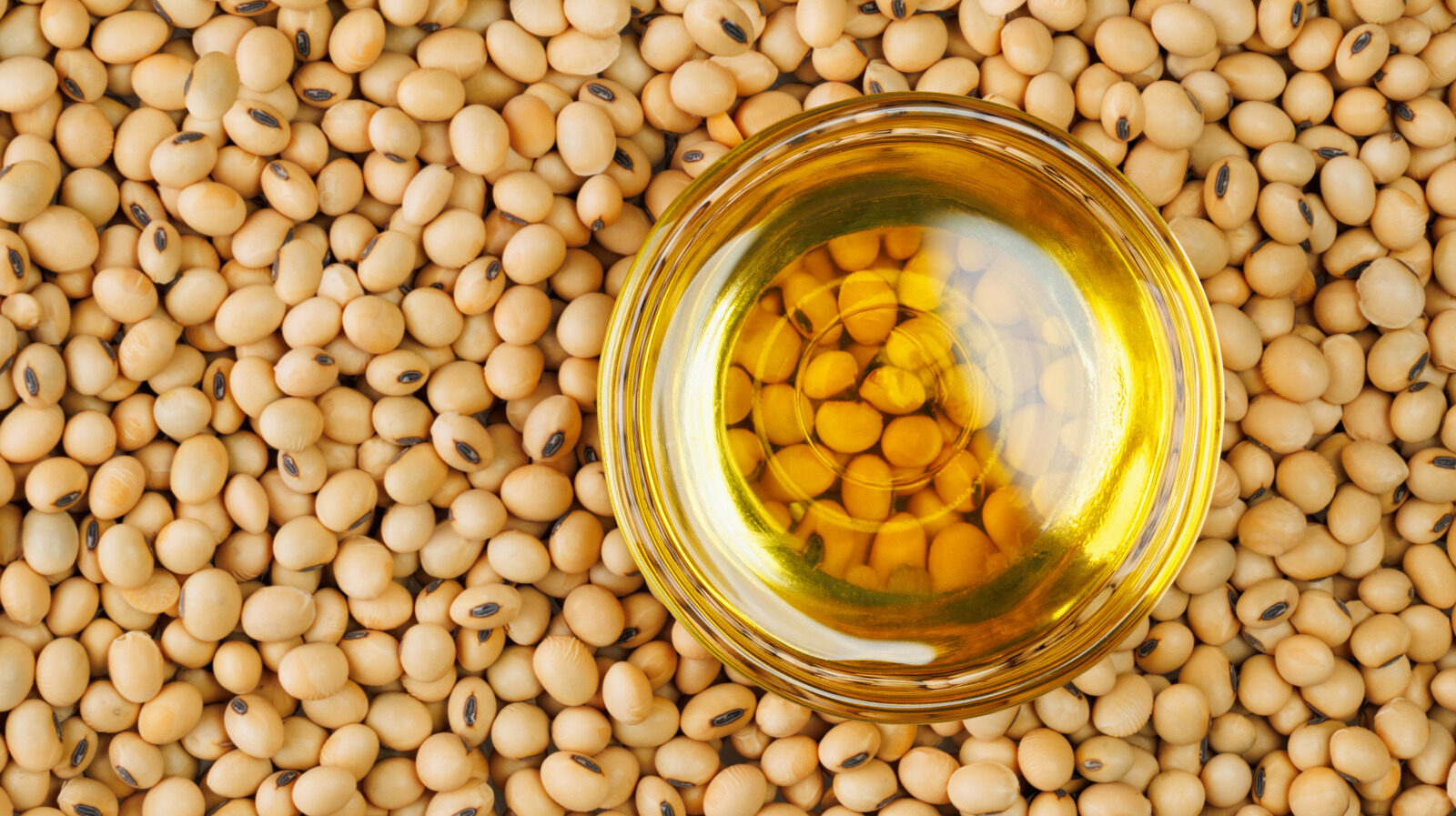
As health concerns rise, one of the most scrutinized ingredients in our diets is the ubiquitous soybean oil. Found in countless processed foods and snacks, this oil is not only prevalent but also raises questions about its impact on health, particularly regarding obesity. Recent studies suggest that its effects may be more significant than previously thought.
Understanding the relationship between soybean oil consumption and obesity can offer vital insights into dietary choices. This exploration delves into the scientific findings surrounding soybean oil, metabolism, and the potential health implications for the average consumer.
Understanding the prevalence of soybean oil in diets
Soybean oil has become a staple in the American diet, largely due to its low cost and versatility in cooking. It accounts for approximately 54% of all vegetable oils consumed in the United States, surpassing canola, corn, and palm oils. This dominance raises concerns about its widespread use and potential health risks.
In processed foods, soybean oil is often used because of its neutral flavor and high smoke point. Common products containing soybean oil include:
- Snack foods (chips, crackers)
- Baked goods (cookies, cakes)
- Fried foods (fast food items)
- Salad dressings and sauces
This extensive use means that many Americans unknowingly consume large quantities of soybean oil daily, which may contribute to health issues such as obesity and metabolic disorders.
Research findings on soybean oil and obesity
A study published in the Journal of Lipid Research highlights a potential genetic connection between soybean oil consumption and obesity. Researchers at the University of California Riverside (UCR) conducted experiments on mice, comparing a control group with genetically engineered mice capable of metabolizing soybean fats differently.
The findings revealed that while both groups consumed the same high-fat diet, the control group exhibited significant weight gain. In contrast, the genetically modified mice remained lean. This difference underscores the importance of genetic factors in how soybean oil affects weight.
While these experiments were conducted on mice, they provide valuable insights into human metabolism, suggesting that genetic variations may influence how individuals respond to dietary fats.
How soybean fats transform into body fat
Soybean oil is rich in linoleic acid, an essential omega-6 fatty acid that the body requires for various functions, including:
 6 Trees You Should Avoid Planting in Your Yard
- Cell membrane integrity
- Hormonal signaling
- Inflammation regulation
Although linoleic acid is vital, excessive consumption can lead to metabolic issues. When ingested, omega-6 fatty acids, including linoleic acid, are transported throughout the body and converted into compounds known as oxylipins. Recent research indicates that elevated levels of certain oxylipins in the liver may correlate with an increased risk of obesity.
Metabolism of linoleic acid and its implications
The liver plays a crucial role in metabolizing linoleic acid through specialized enzymes. However, the standard enzymes in most humans may not efficiently process the high levels of soybean oil consumed. The UCR study suggests that:
- Genetically engineered mice produced an optimal mix of liver enzymes.
- The control group accumulated high levels of oxylipins, leading to obesity.
- Most humans metabolize soybean oil similarly to the control group, raising concerns about weight gain.
This insight emphasizes the need to consider personal metabolic profiles when evaluating dietary fats and suggests that reducing soybean oil intake may be beneficial for weight management.
Potential health risks associated with soybean oil consumption
The correlation between soybean oil and obesity is just one aspect of the potential health risks associated with its consumption. Other concerns include:
- Heart health: High omega-6 fatty acid intake may promote inflammation, linked to cardiovascular diseases.
- Hormonal balance: Omega-6 fatty acids can interfere with hormonal functions, potentially impacting reproductive health.
- Chronic diseases: Excessive consumption of processed fats, including soybean oil, is associated with an increased risk of diabetes and metabolic syndrome.
These considerations should prompt consumers to reflect on their dietary choices and the role of soybean oil in their overall health.
Healthy alternatives to soybean oil
For those looking to reduce soybean oil in their diet, several healthier alternatives can be considered. These oils not only provide better nutritional profiles but also offer unique flavors:
- Olive oil: Rich in monounsaturated fats and antioxidants, it’s excellent for cooking and dressings.
- Coconut oil: Contains medium-chain triglycerides (MCTs) that may aid in metabolism.
- Avocado oil: High in monounsaturated fats and vitamin E, suitable for high-heat cooking.
Switching to these healthier options can help mitigate the risks associated with soybean oil consumption while enhancing the nutritional quality of meals.
Considerations for dietary choices
As the understanding of dietary impacts on health evolves, it is essential to recognize the role that soybean oil plays in our diets. Consider the following tips to make informed choices:
- Check ingredient labels for soybean oil in processed foods.
- Opt for whole, minimally processed foods whenever possible.
- Incorporate a variety of healthy fats into your diet, such as nuts, seeds, and fatty fish.
- Be mindful of portion sizes, especially with high-calorie oils.
By being proactive about dietary choices, individuals can better manage their health and reduce the risk of obesity and related diseases.