As climate change becomes an increasingly pressing issue, the consequences for coastal regions are becoming more apparent. One of the areas most at risk is Florida, where predictions suggest significant portions of the coastline could be underwater within the next several decades. Understanding these risks is crucial for residents, policymakers, and environmentalists alike.
This article delves into the alarming projections for Florida’s coastline, highlighting the areas that will be hardest hit, the implications of rising sea levels, and the urgent need for action to mitigate these effects.
South Florida faces the greatest threat, but the entire coastline is vulnerable
According to Climate Central, a nonprofit organization dedicated to communicating climate risks, the state of Florida is poised to face severe flooding challenges in the coming decades. Their interactive map tool synthesizes data from various federal agencies, including the National Oceanic and Atmospheric Administration and the U.S. Army Corps of Engineers, offering a visual representation of how sea level rise will affect coastal regions.
This tool reveals that the areas most susceptible to flooding will expand significantly as time progresses. Notably, the forecasts indicate that:
- South Florida will be disproportionately affected by rising sea levels.
- Major cities like Miami and Fort Lauderdale are expected to experience increased flooding risks.
- Areas in the Florida Keys and the Everglades National Park are at high risk of submersion.
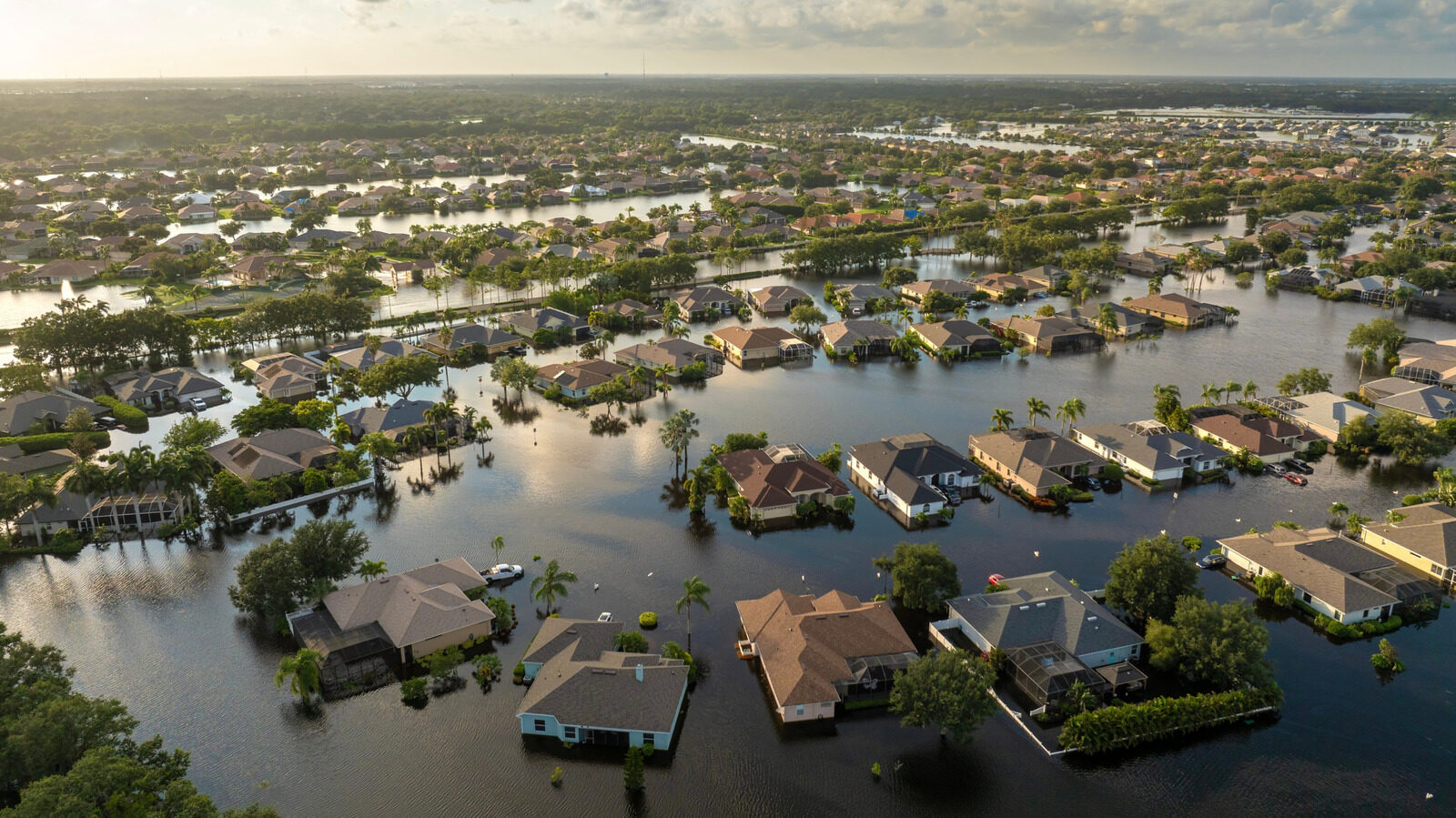
The map shows that the extent of flooding will likely increase dramatically, with projections suggesting that significant portions of these areas could be underwater by 2150. Moreover, the flooding risks are compounded by the possibility of severe weather events, such as hurricanes, which may become more intense as climate change progresses.
The impact of flooding and rising sea levels on Florida’s ecosystem
The potential inundation of coastal regions poses a threat not only to human settlements but also to vital ecosystems. The Everglades National Park, recognized as the largest wetland ecosystem in the United States, is home to numerous endangered species. The impact of rising sea levels on this delicate habitat could be catastrophic.
Some of the specific effects include:
- Loss of habitat for endangered species.
- Increased salinity in freshwater systems, affecting local flora and fauna.
- Disruption of migratory patterns for birds and other wildlife.
Moreover, low-lying areas in central Florida that currently sit below flood levels could be at risk of becoming uninhabitable. This phenomenon could lead to significant social and economic repercussions for the state, as communities may be displaced and local economies disrupted.
Understanding the causes of rising sea levels and flooding
The primary driver of rising sea levels is climate change, fueled by the greenhouse gas emissions from human activities. As global temperatures rise, polar ice sheets and glaciers are melting at an accelerated rate, contributing to the increase in ocean levels. Key factors driving these changes include:
- Melting of ice sheets in Greenland and Antarctica.
- Thermal expansion of seawater as it warms.
- Increased precipitation and runoff from land into the oceans.
These factors are exacerbated by urbanization and coastal development, which can increase vulnerability to flooding. In Florida, where many communities are built close to sea level, the risks are particularly pronounced.
Projected flooding scenarios for Florida
According to projections by Climate Central, Florida is expected to see significant increases in flooding events over the next few decades. By 2050, it is estimated that:
- Approximately 505,000 residents will be living in areas at risk of severe coastal flooding.
- Around 355,000 homes will be at risk, leading to potential economic losses.
- Flooding events will likely become ten times more common compared to historical data.
These projections underscore the urgent need for both local and state governments to develop comprehensive climate adaptation strategies. Failure to act could result in dire consequences for residents, infrastructure, and natural ecosystems.
Adaptation strategies and the path forward
In light of these alarming projections, effective adaptation strategies are essential to mitigate the impacts of rising sea levels and flooding. Some possible measures include:
- Implementing stricter building codes that require elevated structures in flood-prone areas.
- Investing in natural barriers, such as wetlands and mangroves, to absorb floodwaters.
- Enhancing stormwater management systems to better manage excess rainfall.
- Promoting community awareness and education on climate change impacts.
Additionally, policymakers must prioritize reducing greenhouse gas emissions to slow the pace of climate change. This involves transitioning to renewable energy sources, improving energy efficiency, and supporting sustainable transportation systems.
The role of community engagement in climate resilience
Community stakeholders, including residents, businesses, and local organizations, have a vital role in building resilience against climate change. Collaboration among these groups can foster innovative solutions to tackle the challenges posed by rising sea levels. Effective community engagement strategies include:
- Hosting public forums to discuss flood risks and resilience planning.
- Encouraging volunteer programs focused on environmental conservation and restoration.
- Establishing partnerships with local universities to research and develop adaptive technologies.
By working together, communities can enhance their capacity to adapt to the inevitable changes brought about by climate change and protect their homes, livelihoods, and ecosystems.
In summary, the risks posed by rising sea levels and flooding in Florida are significant and complex. With informed action and community involvement, it is possible to build a more resilient future in the face of climate change.