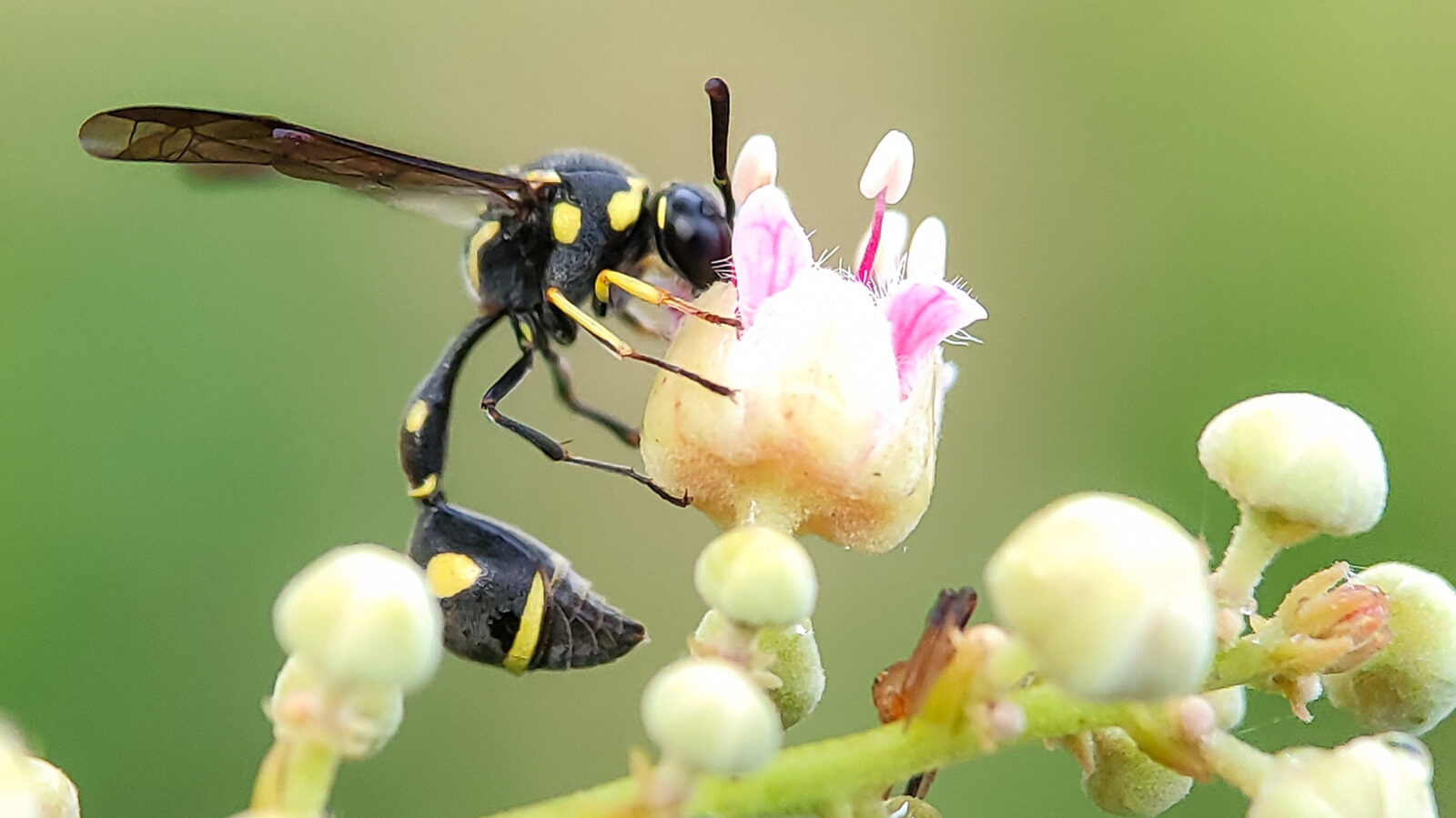
In a surprising twist of ecological strategy, conservationists have begun releasing tiny wasps into U.S. forests to combat a dangerous invasive pest. This initiative might sound peculiar at first, but it’s a calculated move aimed at preserving one of America’s most vital tree species. The emerald ash borer poses a severe threat to ash trees, and innovative solutions like this are essential for the health of North America’s forests.
In 2025, more than 22,000 wasps were released in Oregon’s woodlands surrounding the Portland metro area. This action is not an isolated effort; similar releases have occurred in New York, Minnesota, Vermont, and more than 30 other states over the past decade. The wasps are so diminutive and harmless that most people are unaware of their presence. However, they play a crucial role in combating one of the most destructive invasive species in North America.
Understanding the emerald ash borer and its impact
The emerald ash borer (Agrilus planipennis) is a metallic green beetle, approximately half an inch long, originating from northeast Asia, including regions of China, Russia, Japan, and the Korean Peninsula. First identified in Detroit, Michigan, in 2002, it is believed to have arrived in the U.S. through wood packing materials. Over the past two decades, this pest has spread to 37 states, wreaking havoc on ash tree populations.
The life cycle of the emerald ash borer involves laying eggs on the bark of ash trees. Upon hatching, the larvae burrow into the wood, feeding on the tree’s inner tissues, leading to its decline and death. As a result, hundreds of millions of ash trees have perished in both the U.S. and Canada. Traditional methods of controlling this pest, such as quarantines and chemical treatments, have proven largely ineffective. Consequently, scientists have sought alternative methods to manage this ecological crisis.
Who can defeat the emerald ash borer?
In its native habitat, the emerald ash borer is kept in check by various species of parasitoid wasps, which lay their eggs on or near the borer larvae. When the wasp larvae hatch, they feed on the borer larvae, effectively controlling its population. Since these natural enemies are not native to North America, conservationists have initiated the importation and release of these wasps to help manage the emerald ash borer’s population.
Introducing additional species to combat an invasive one may seem counterintuitive, but these parasitoid wasps are highly selective in their host preferences. The species currently being released in U.S. forests specifically target the emerald ash borer, making them effective biological control agents.
- Oobius agrili
- Spathius agrili
- Tetrastichus planipennisi
- Spathius galinae
Among these, S. agrili has shown remarkable effectiveness, capable of killing up to 90% of emerald ash borer larvae in its native range around Beijing, China. The USDA has taken measures to breed these parasitoid wasps, producing over half a million specimens in 2020 alone.
Success stories in the fight against the emerald ash borer
The use of parasitoid wasps has yielded promising results in areas where they have been introduced. For instance, after being released in Massachusetts, Connecticut, and New York, the S. galinae wasp species successfully parasitized up to 78% of local emerald ash borer populations within just three years. This indicates a positive step towards controlling the pest and reducing its impact on ash trees.
Despite this success, the emerald ash borer continues to spread, prompting scientists to explore other innovative methods for protecting America’s ash trees. Interestingly, one potential ally in this battle is the woodpecker. Various woodpecker species, estimated to number around 17 in the U.S., have developed a taste for emerald ash borer larvae. These birds are proficient at locating and extracting larvae from infested trees, thus serving as natural predators.
Creative strategies to save the ash trees
Given the ongoing threat posed by the emerald ash borer, researchers are looking into additional strategies to support the survival of ash trees. One such approach involves breeding ash trees that exhibit natural resistance to the invasive larvae. Although only about 1% of ash trees have demonstrated this resilience, selectively breeding these trees could eventually lead to the development of a robust population capable of withstanding the pest’s onslaught.
Organizations like the Nature Conservancy are actively working on tree-breeding programs aimed at enhancing the genetic diversity and resistance of ash trees. However, these efforts will take years to yield results, highlighting the urgent need for immediate solutions to combat the emerald ash borer.
Conclusion: the importance of ecological balance
The introduction of parasitoid wasps into U.S. forests marks a significant step in the ongoing battle against one of the most damaging invasive species. As scientists and conservationists work tirelessly to restore balance to ecosystems affected by the emerald ash borer, it is essential for the public to recognize the value of these small but mighty wasps. Their role in the broader context of ecological preservation underscores the interconnectedness of species and the necessity of innovative approaches to environmental challenges.