Imagine a world where insects play a crucial role in espionage, gathering intelligence in areas inaccessible to humans. While this might sound like a scene from a science fiction novel, researchers are turning this idea into reality. The innovative work being done with cockroaches is not only fascinating but also raises significant ethical and practical questions.
In the face of evolving military needs, particularly in light of geopolitical tensions, scientists are exploring the untapped potential of nature. At the forefront of this endeavor is SWARM Biotactics, a company pioneering the development of remote-controlled cockroaches equipped with advanced surveillance technologies.
Harnessing cockroach biology for controlled movements
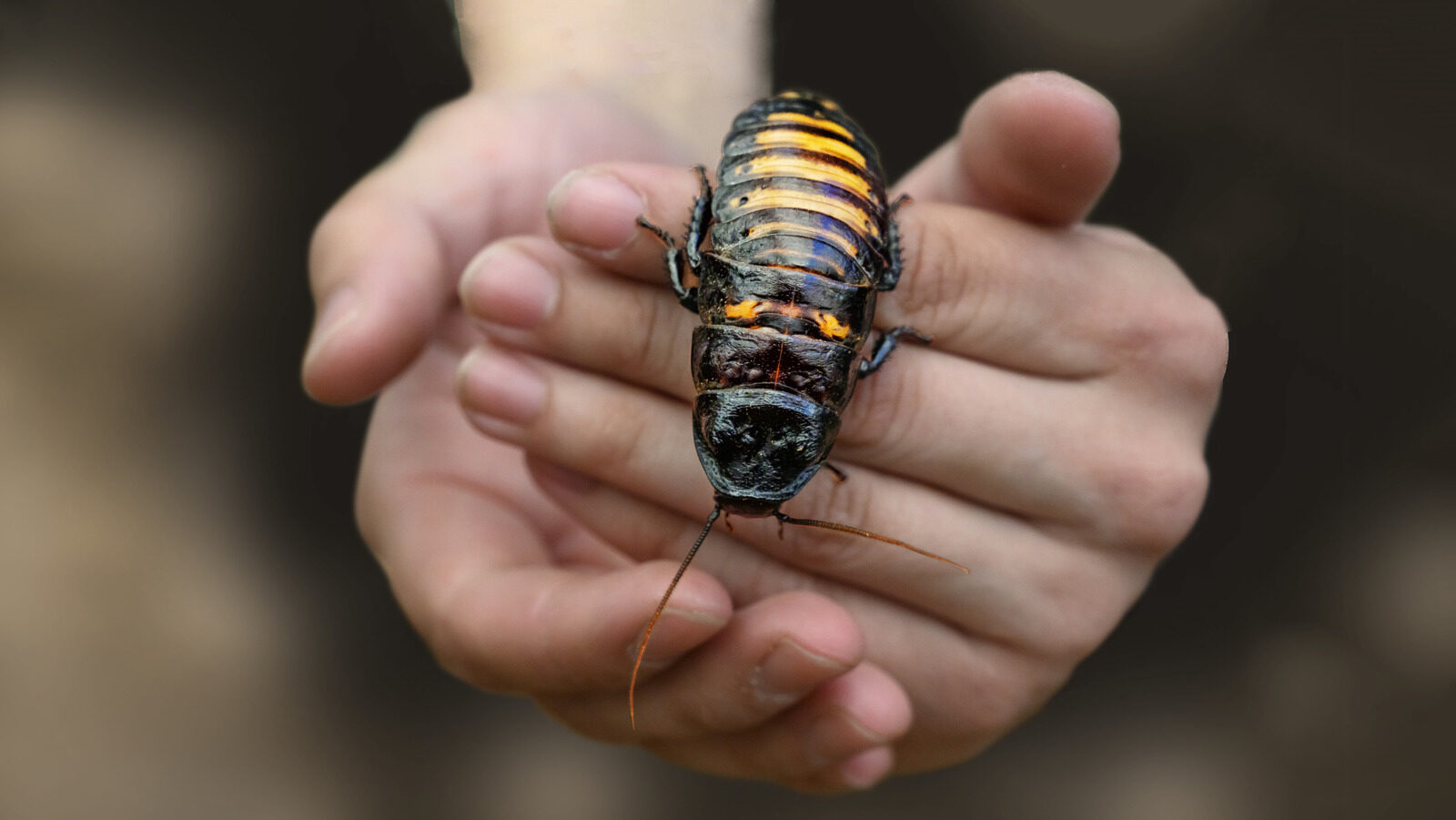
The Madagascar hissing cockroach, with its remarkable resilience to extreme conditions, serves as the ideal candidate for SWARM’s ambitious project. These insects can withstand high temperatures, radiation, and various toxic substances that would prove fatal to humans. Their ability to carry substantial weight and survive significant physical stress further positions them as prime subjects for military applications.
The unique biology of cockroaches, particularly their sensory apparatus, is a key factor in this research. Their long antennae are vital for navigation, allowing them to detect obstacles in their environment. SWARM takes advantage of this innate ability by equipping the cockroaches with tiny backpacks fitted with electrodes that connect to these antennae. This setup enables scientists to send signals that stimulate the insects’ natural instincts, effectively guiding their movements.
- Remote control capabilities: Researchers can direct the cockroaches like remote-controlled vehicles.
- Autonomous navigation: Development of algorithms could allow for autonomous movement in swarms.
- Diverse technologies: Future backpacks may include cameras, microphones, GPS, and communication devices.
According to SWARM’s CEO, Stefan Wilhelm, the team envisions a large-scale deployment of these cockroach spies by 2027. However, skepticism abounds regarding the practical implementation of such technology, prompting serious discussions about the implications of using living creatures in espionage.
The ethical implications of insect espionage
As intriguing as it may be to employ insects for intelligence gathering, the ethical concerns surrounding this practice cannot be overlooked. The crux of the issue lies in the treatment of the cockroaches during the process. While SWARM asserts that the electrodes are painless, the reality is that the impact on the insects’ well-being remains largely unknown.
- Animal autonomy: Critics argue that controlling an animal’s movements infringes on its free will.
- Humane treatment: The potential suffering caused by the remote control process raises serious ethical questions.
- Future of research: The long-term effects of such experiments on insect populations are yet to be determined.
Moreover, the potential for misuse of this technology adds another layer of complexity. The prospect of deploying insects for espionage could lead to a slippery slope where ethical boundaries are continually pushed. As researchers delve deeper into this field, ensuring that ethical standards are upheld will be paramount.
Challenges in practical application
Despite the innovative nature of using cockroaches for espionage, several challenges exist that could hinder practical implementation. One major concern is the size and visibility of the prototype backpacks currently being developed. These bulky devices are not discreet, which could compromise their intended purpose of covert intelligence gathering.
Additionally, the robustness of cockroaches, while advantageous, poses its own set of challenges. The presence of natural predators in various environments could lead to the loss of valuable intelligence assets. Imagine the consequences of a cockroach equipped with sensitive surveillance equipment falling victim to a hungry bird or other predatory creatures.
Historical context of animal espionage
The concept of using animals for espionage is not new. Historical precedents abound, showcasing humanity’s fascination with employing various species for intelligence-gathering purposes. Notably, the CIA’s “Acoustic Kitty” project during the Cold War attempted to transform a domestic cat into a listening device, albeit with disastrous results.
- The Acoustic Kitty: A project involving a cat wired to transmit audio, which was tragically killed shortly after deployment.
- Beluga Whale Surveillance: Recent reports suggested that a beluga whale was suspected of carrying Russian surveillance gear.
- Bird and Insect Surveillance: Various species have been considered for espionage, but insects present unique advantages.
Insects, particularly cockroaches, offer distinct benefits over larger animals due to their ability to navigate confined spaces and remain inconspicuous. This makes them suitable candidates for intelligence operations in urban environments or disaster zones.
Future prospects of insect-based technology
The future of using cockroaches for espionage may hold surprising possibilities. Researchers envision a scenario where swarms of these insects, each equipped with specialized technology, could be deployed for various purposes, from military reconnaissance to environmental monitoring.
While the potential applications are vast, so too are the concerns surrounding the ethical implications and practical challenges of this technology. As scientists continue to explore the intersection of biology and technology, the need for rigorous ethical standards and public discourse surrounding these advancements will be critical.
In summary, the exploration of using cockroaches as espionage agents opens up intriguing avenues for both scientific innovation and ethical consideration. As research progresses, it will be essential to balance the potential benefits with the imperative to treat all living beings with respect and dignity.