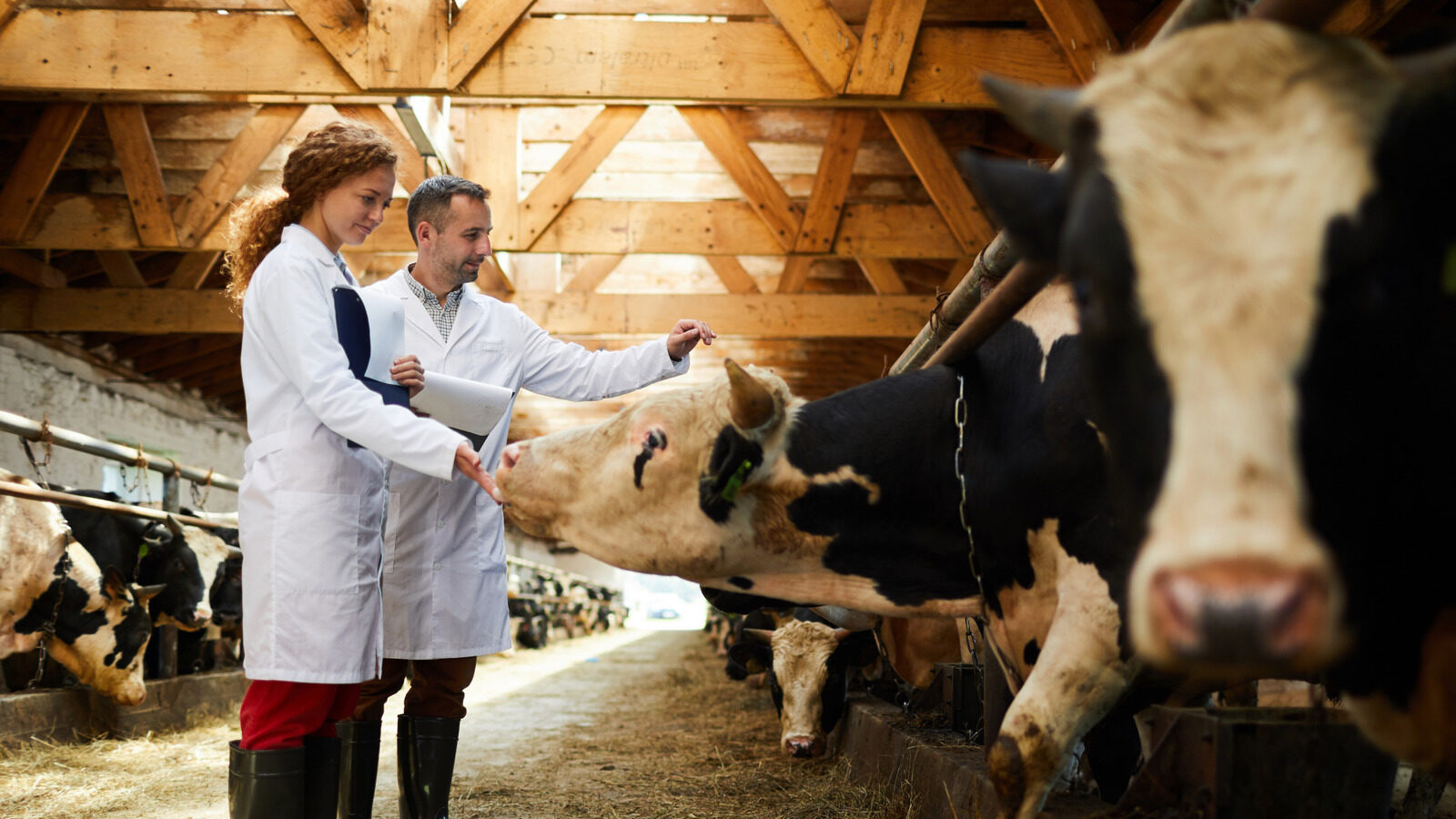
The intricate relationship between an animal’s diet and the flavor of its milk has fascinated researchers for decades. A recent discovery has revealed that something as simple as sunflower seeds can lead to surprisingly delightful results, like raspberry-flavored milk. This intriguing finding not only opens the door to unique dairy products but also highlights the complexities of animal nutrition and flavor chemistry.
In a world where flavor profiles are increasingly important to consumers, understanding how to manipulate these profiles through animal feed could revolutionize the dairy industry. Let’s delve into the details of this fascinating phenomenon and explore the science behind it.
The science behind flavor in dairy products
The flavor of milk is not merely a product of its fat content or sugar levels; it is a complex interplay of various chemical compounds influenced by the animal’s diet. This connection has been recognized in various studies over the years. Notably, a 2008 study from the University of Copenhagen demonstrated that even human breast milk can change flavor based on the mother’s diet. So, it’s no surprise that cows’ milk can be similarly affected.
Historically, the impact of diet on milk flavor has been documented since at least 1829, when William Harley examined how different feeds could alter milk quality. Since then, researchers have identified specific compounds within various foods that can impart distinct flavors to milk, including:
- Cruciferous vegetables, which can produce undesirable off-flavors.
- Fruits that can enhance sweetness and fruity notes.
- Grains, such as oats and sunflower seeds, which can impart unexpected flavors.
These findings underscore the need for a deeper understanding of the biochemical interactions that occur in the digestive systems of dairy cows. Each type of feed can lead to a myriad of chemical reactions, resulting in a diverse array of flavors.
Sunflower seeds and raspberry flavor
The intriguing connection between sunflower seeds and raspberry-flavored milk dates back to the research conducted by the Commonwealth Scientific and Industrial Research Organisation (CSIRO) in Australia during the 1980s. The researchers discovered that when dairy cows were fed a specific combination of oats and sunflower seeds, a remarkable transformation occurred.
This unexpected raspberry flavor was traced back to a compound known as γ-dodec-cis-6-enolactone, a stable gamma-lactone that can produce distinct flavor profiles. The ability to produce this compound in cows’ milk is a direct result of the unique digestive process within the cow’s stomachs.
The digestive process of dairy cows
Cows possess a complex digestive system, comprising four separate stomachs, each serving a specific purpose in breaking down fibrous plant materials. The primary steps involved in their digestion include:
- Ingestion: Cows consume large quantities of grass and grains, which are first broken down mechanically in the rumen.
- Fermentation: The rumen contains billions of microbes that ferment the feed, breaking it down into simpler compounds.
- Absorption: Nutrients, including fatty acids and sugars, are absorbed in the intestines.
- Milk production: The absorbed nutrients are utilized in the synthesis of milk components in the mammary glands.
This unique digestion process is crucial for the development of flavors in milk. When cows consume oats, it encourages the growth of specific bacteria in their digestive system. These bacteria then metabolize the sunflower seed oil, resulting in the production of γ-dodec-cis-6-enolactone, which ultimately makes its way into the milk.
Applications and implications of flavored milk
With the knowledge that sunflower seeds can produce raspberry-flavored milk, the potential applications for this discovery are vast. Some possibilities include:
- Novel dairy products: Dairy producers could create innovative products that appeal to consumers looking for unique flavors.
- Increased marketability: Flavored milks could attract new customers, especially in markets that favor natural and organic products.
- Enhanced nutrition: By incorporating nutrient-rich feeds like sunflower seeds, dairy farms could improve their sustainability and animal health.
Moreover, the exploration of flavor manipulation can lead to a better understanding of animal nutrition, potentially improving both the quality of life for dairy cows and the quality of the products they produce.
The future of dairy flavor exploration
This groundbreaking discovery opens the door to further exploration in the dairy industry. Researchers are likely to continue investigating the chemical pathways responsible for flavor development in milk, focusing on:
- Other plant-based feeds that might impart unique flavors.
- Variations in diet that could enhance nutritional value while improving flavor.
- The impact of different breeds of cows on flavor profiles.
As the interest in specialty foods continues to grow, the dairy industry stands to benefit significantly by integrating flavor science into their production processes. This can lead to a wider range of dairy products that cater to evolving consumer preferences and dietary trends.
In summary, the interplay between diet and flavor in dairy cows is a complex topic that has significant implications for the future of milk production. With ongoing research and exploration, we may see an exciting array of flavored dairy products that redefine our expectations of milk and its myriad possibilities.