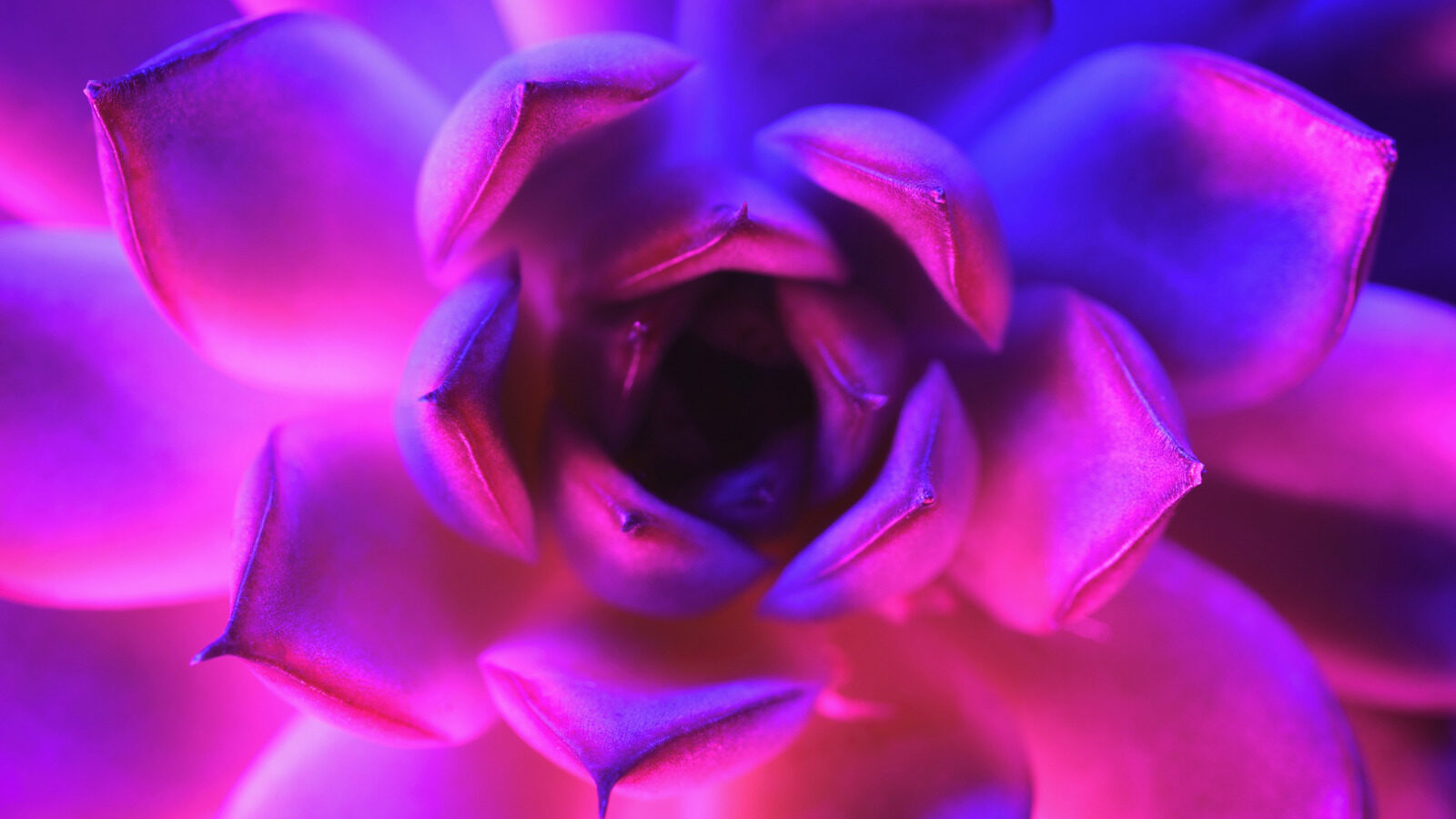
Imagine walking through a garden where the plants not only thrive under the sun but also emit a soft, enchanting glow after dark. This astonishing idea is becoming a reality, thanks to innovative scientific advancements that merge biology with luminescence. The world of plants is on the brink of a transformation that could reshape our understanding of horticulture and lighting.
Succulents have surged in popularity among plant enthusiasts, particularly millennials who appreciate their low maintenance requirements. These hardy plants, native to arid regions, are not just aesthetically pleasing; they have become symbols of a modern lifestyle that values simplicity and sustainability. However, researchers are now pushing the boundaries of what these plants can do, exploring the exciting potential of creating glowing succulents.
The science behind glowing plants
In August 2025, a groundbreaking study published in the journal Matter unveiled how scientists from South China Agricultural University succeeded in making the Echeveria “Mebina” succulent glow in the dark. Instead of employing genetic modifications, the researchers took a different approach: they injected the plants with nanoparticles of strontium aluminate (SrAl2O4).
Strontium aluminate is a chemical compound commonly used in glow-in-the-dark products. It has the ability to absorb light and slowly release it as a soft glow. However, the mechanism behind this luminescence involves a “forbidden transition,” which is a rare event in chemical reactions. To enhance the glowing effect, strontium aluminate is often combined with other compounds, such as europium, which can significantly extend the duration of the glow.
How the glowing process works
The process of making these succulents glow involves several intricate steps:
- Injection of nanoparticles: Researchers injected strontium aluminate nanoparticles directly into the succulent’s tissue.
- Photon absorption: The injected nanoparticles absorb photons from sunlight or artificial light.
- Gradual light emission: After absorbing light, the chemical then emits a soft glow for up to two hours.
- Rechargeable glow: When placed in sunlight, the plants can recharge their glow quickly.
This innovative technique represents a significant departure from previous methods of plant luminescence, which primarily relied on genetic engineering. For example, in 2020, researchers managed to create glowing tobacco plants by incorporating DNA from bioluminescent mushrooms. However, these techniques often resulted in limited color options and required extensive manipulation of the plant’s genetic framework.
The implications of glowing succulents
The advent of glowing succulents opens up exciting possibilities not only for aesthetics but also for practical applications in our daily lives. Imagine using these plants as ambient lighting in homes, reducing our reliance on electric lights. Some potential benefits include:
- Sustainability: Glowing plants could provide a natural source of light, reducing energy consumption.
- Decorative appeal: The unique glow could enhance the visual appeal of indoor and outdoor spaces.
- Educational purposes: These plants could serve as a tool for teaching about biology, light absorption, and chemical reactions.
However, the transition from a standard light source to glowing plants is not without challenges. The light emitted by these succulents is significantly dimmer than traditional electric lighting, making them less practical for general illumination needs. Moreover, the long-term effects of introducing inorganic chemicals into plant systems remain largely unknown.
Challenges and considerations
While the notion of glowing plants is captivating, there are several factors to consider before they can become a mainstream alternative to traditional lighting:
- Light intensity: The current glow is not bright enough to replace conventional light sources.
- Dependence on sunlight: These plants require direct sunlight to recharge their glow, limiting their use in darker environments.
- Environmental impact: The use of inorganic chemicals raises questions about potential ecological consequences.
As researchers delve deeper into this field, the need for comprehensive studies will be essential to understand both the benefits and drawbacks of glowing succulents. Insights into how these plants interact with their environment and how they can be cultivated sustainably will be crucial for their future applications.
A glimpse into bioluminescence in nature
Before the advent of glowing succulents, bioluminescence was predominantly observed in various forms of wildlife, such as fungi, algae, and insects. For instance, fireflies produce light through a chemical reaction involving luciferin and luciferase, creating a mesmerizing display during warm summer nights. This natural phenomenon has fascinated scientists and nature enthusiasts alike for centuries.
Some examples of bioluminescent organisms include:
- Fireflies: Known for their enchanting light displays during mating rituals.
- Marine organisms: Many species, such as certain jellyfish and deep-sea fish, use bioluminescence for camouflage and attracting prey.
- Fungi: Some mushrooms emit a soft glow, which is believed to attract insects that help in spore dispersal.
Looking ahead: The future of glowing plants
As scientists continue to innovate, the dream of integrating glowing plants into our everyday lives becomes more plausible. Future research may focus on enhancing the brightness, color range, and longevity of the glowing effect while ensuring that these plants remain healthy and sustainable. The idea of creating a living light source that harmonizes with nature is an exciting prospect for environmentalists, homeowners, and anyone who appreciates the beauty of plants.
By merging technology with nature, researchers are paving the way for a new era in horticulture. Glowing plants may soon illuminate our gardens, homes, and even urban spaces, offering not just beauty but also a glimmer of hope for a greener, more sustainable future.