The intricate dance of seasons on Earth has captivated scientists and nature enthusiasts alike for centuries. However, a recent study has unveiled complexities in seasonal changes that challenge long-held beliefs. This newfound understanding not only reshapes our perception of seasonal synchronization but also emphasizes the delicate balance within ecosystems influenced by climate patterns.
As we delve deeper into this fascinating research, we unravel the implications of seasonal asynchronicity and the innovative technologies that have made these discoveries possible.
Understanding seasonal asynchronicity
A groundbreaking study published in August 2025 in Nature reveals that seasons are not as synchronized globally as previously thought. Lead author Drew Terasaki Hart from the University of California, Berkeley, emphasizes that the conventional view of seasons as a uniform clock is overly simplistic. In reality, seasonal cycles in different regions can vary significantly, sometimes by as much as two months.
This research stems from the field of phenology, which investigates the relationship between climate and biological systems. While much previous research has focused on localized phenomena, such as hummingbird migrations or flowering patterns in Antarctica, Hart’s work takes a broader perspective by utilizing satellite imagery to analyze the rhythms of Earth’s ecosystems on a global scale.
The study scrutinized two decades of satellite data to compare plant growth cycles across various regions. Surprisingly, it found stark differences even in geographically close locations. For instance, the plant growth cycles of Phoenix and Tucson in Arizona, which are only about 100 miles apart, exhibited significant discrepancies. Such findings highlight the need to reconsider traditional definitions of seasonal transitions, especially in diverse ecosystems like tropical mountainous areas, where two valleys separated by a short distance can experience different blooming months.
Old satellite data, new technology
The field of global phenology is not new, but the technological advancements enabling the analysis of satellite data are revolutionary. Hart’s team employed sophisticated methodologies and novel analytical tools to gain unprecedented insights into global plant blooms. The resulting maps showcase seasonal changes in a level of detail that radically enhances our understanding of ecological dynamics—similar to the clarity gained from increasing the resolution of a video.
The team used the Google Earth Engine to compile and process over 20 years of satellite imagery. This platform is recognized as one of the best free resources for satellite images, providing invaluable data for researchers and non-commercial users alike. The data analysis involved applying various scientific software filters, processed through Python, to create a comprehensive visual representation akin to a heatmap of plant growth.
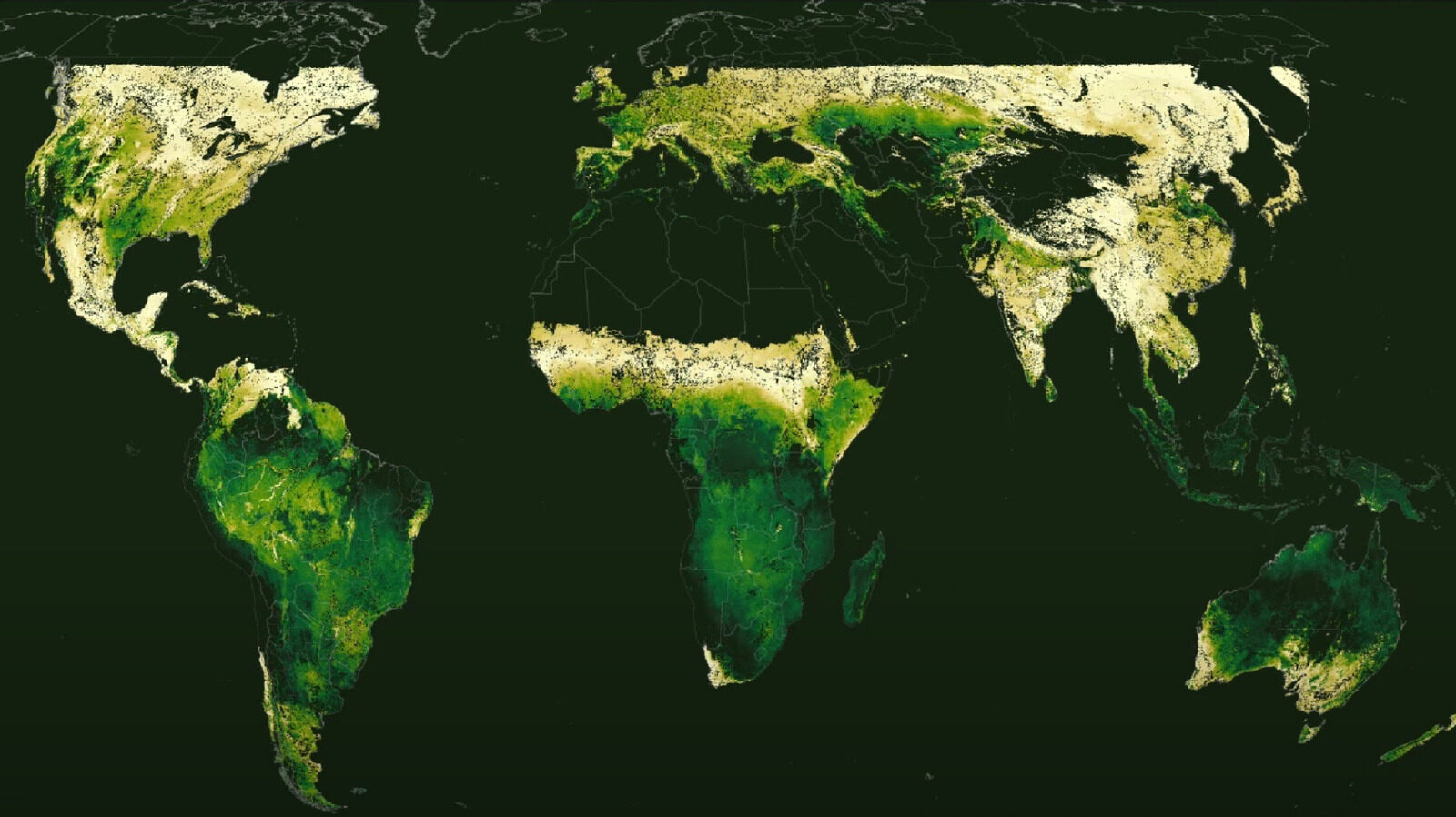
This enhanced resolution has led to the discovery of previously hidden phenological diversities. An illustrative example is a video shared on YouTube titled “Timing of global average phenocycles.” To the casual observer, the video visually represents the green regions of Earth at different times of the year. However, for Hart and his team, it has revealed profound insights into the complexities of seasonal changes across various ecosystems.
Implications for ecosystems and society
The findings of this study carry significant implications, not just for scientists but for society at large. Different cultures define seasons based on their environmental interactions, encompassing factors such as rainfall, sunlight, and temperature. These definitions are intertwined with agricultural practices, water availability, and overall ecosystem habitability, underscoring the importance of understanding seasonal dynamics.
As Drew Terasaki Hart and his team illustrate, the insights garnered from this research are critical as human activities continue to impact the environment. The study serves as a poignant reminder of the fragility of ecosystems. For example, two Colombian coffee farms located just hours apart can exhibit vastly different seasonal patterns. This variability suggests that even slight climatic and geographical changes—exacerbated by human influence—can profoundly affect how ecosystems adapt and thrive.
Emerging research in phenology reinforces this notion. A 2020 study from the University of Washington, published in Trends in Ecology & Evolution, demonstrated that animals often move in search of resources based on the “spatiotemporal configuration” of their surroundings. Their success in adapting to food shortages hinges significantly on the geographical distribution of those resources. Human interventions, such as the construction of dams or highways, can impede their movement, demonstrating the delicate balance within ecosystems.
Exploring the role of climate change
Climate change is a pressing global issue that exacerbates the effects of seasonal asynchronicity. As temperatures rise and precipitation patterns shift, ecosystems are forced to adapt to new conditions. This adaptation can lead to mismatches between biological cycles and the environment, with potentially devastating consequences for biodiversity.
- Disruption of migration patterns: Many species rely on specific seasonal cues for migration. Changes to these cues can disrupt breeding and foraging.
- Altered flowering times: Plants that bloom too early may risk frost damage, while those that bloom too late may miss critical pollination periods.
- Impact on food webs: As primary producers and consumers respond differently to changing seasons, entire food webs can be destabilized.
- Increased vulnerability: Species that cannot adapt quickly enough to changing conditions may face extinction.
Understanding these complex interactions is critical for developing effective conservation strategies. By studying seasonal asynchronicity and its implications, researchers can better predict how ecosystems will respond to climate change, allowing for proactive measures to mitigate its impact.
The future of phenological research
The exploration of global phenology is still in its infancy, and advancements in technology will likely reveal even more intricate details about seasonal dynamics. As satellite imaging continues to improve, researchers can expect to uncover new patterns and trends that will deepen our understanding of ecological interactions.
Furthermore, interdisciplinary collaboration between ecologists, climatologists, and technologists will be essential in addressing the challenges posed by climate change. By working together, these experts can develop comprehensive models that incorporate various environmental factors, ultimately leading to more effective conservation efforts.
In conclusion, the study of seasons from space has transformed our understanding of Earth’s ecological rhythms. As scientists continue to unravel the complexities of seasonal asynchronicity, we gain invaluable insights into the delicate balance of ecosystems and the profound effects of human activity on the environment.