The human body is a fascinating puzzle, filled with structures that sometimes leave us questioning their purpose. Among these enigmatic features is the vomeronasal organ, also known as Jacobson’s organ, which has sparked ongoing debates among scientists regarding its function and significance. Is it truly a vestigial remnant from our evolutionary past, or does it still play a role in our lives today? Let’s delve into the mysteries surrounding this peculiar organ.
The enigmatic vomeronasal organ: what is it?
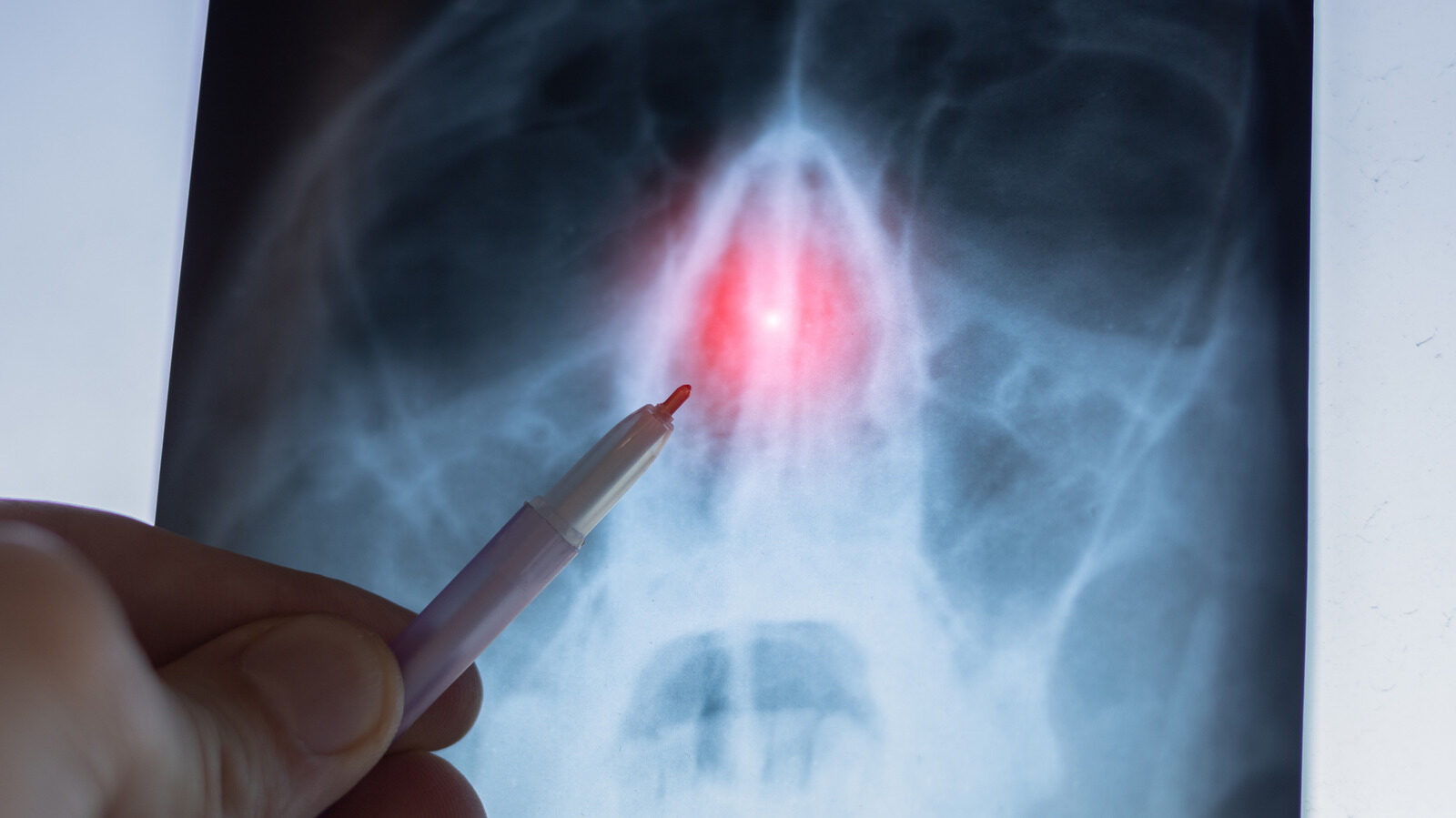
The vomeronasal organ (VNO) is a chemosensory structure located at the base of the nasal cavity in many vertebrates. In humans, it is often described as a small, tubular structure that can be found near the nasal bridge, where the cartilage meets the bone. Although present in various animals, its functionality within humans is still under scrutiny.
In most animals, the VNO serves an essential role in detecting pheromones—chemical signals that can influence behavior and communication. For instance, in many mammals, this organ helps identify potential mates, assess territorial boundaries, and even recognize predators. This capability underscores the importance of olfactory cues in the animal kingdom.
However, the human VNO appears to be different. Numerous studies have indicated that this organ may be non-functional in adults, suggesting it is a remnant of our evolutionary history. Yet, the story is far from simple, as researchers continue to investigate the complexities of its existence.
Historical perspectives on the vomeronasal organ
Throughout history, the VNO has intrigued scientists and anatomists alike. Early studies confirmed its presence in human anatomy through dissections and imaging technologies, such as MRIs and CAT scans. Yet, the debate surrounding its functionality persists. Some studies firmly categorize it as vestigial, similar to the appendix, which was once thought to be entirely useless but is now believed to have immune-related functions.
Interestingly, the perception of the VNO’s relevance has evolved over the years. In earlier anatomical studies, it was often dismissed as an organ without purpose. However, advancements in research have revealed potential interactions between the VNO and other physiological systems, indicating a more complex relationship.
Current scientific debate on human functionality
Recent research has provided a mixed bag of findings regarding the functionality of the VNO in humans. A study published in Surgical & Radiologic Anatomy suggested that the VNO is largely non-functional, thus not requiring special consideration during medical procedures like septal surgery. Conversely, other studies indicate that some humans maintain functional aspects of the VNO, which could hold significance for behaviors related to sexual attraction and social bonding.
The inconsistency in findings can be attributed to various factors, including genetic variations among individuals. Research shows that approximately one-third to two-thirds of people possess a functional VNO, with a higher prevalence observed in infants and young individuals. This pattern raises questions about the VNO’s evolutionary trajectory and its potential utility in modern humans.
Potential roles of the vomeronasal organ
Despite the ongoing debate, several hypotheses have been proposed regarding the potential roles of the VNO in human physiology. Among these are:
- Detection of pheromones: While the extent of this capability remains contested, some researchers suggest that the VNO might still play a role in recognizing pheromonal signals, albeit in a limited capacity.
- Influencing social behavior: The VNO’s connection to cranial nerve N could imply a link between this organ and hormonal regulation, potentially affecting social bonding and mating behaviors.
- Response to environmental cues: The VNO may still respond to certain environmental chemicals, even if it does not function in the same way as it does in other animals.
Comparative analysis with other species
To better understand the VNO’s role in humans, it is crucial to examine its functionality in other species. In many mammals, the presence of a VNO is directly correlated with social and sexual behaviors. For instance:
- Rodents: In rats and mice, the VNO is vital for detecting pheromones that signal reproductive readiness, playing a critical role in mating behaviors.
- Reptiles: Many reptiles utilize the VNO to sense chemical cues in their environment, aiding in prey detection and mating.
- Amphibians: Frogs and salamanders rely on their VNO to interpret pheromonal signals that influence their reproductive cycles.
This comparative analysis reveals that while the VNO serves essential functions in other species, its role in humans may not be as pronounced, further fueling the debate about its evolutionary significance.
Implications for future research
As our understanding of the vomeronasal organ continues to evolve, several avenues for future research emerge:
- Genetic studies: Investigating the genetic basis for VNO functionality across different populations could shed light on its evolutionary significance.
- Neuroscience research: Examining the neural pathways connected to the VNO may uncover its potential influence on human behavior and emotions.
- Behavioral studies: Analyzing the social interactions of individuals with and without a VNO could reveal insights into the organ’s role in human communication.
Such research endeavors not only have the potential to clarify the VNO’s place in human anatomy but also to deepen our understanding of the complex interplay between biology and behavior.
Exploring the future of our understanding
While the vomeronasal organ may appear to be a remnant of our past, the ongoing debate regarding its functionality emphasizes the complexities of human anatomy. As scientists continue to explore its mysteries, we may find that the VNO is not merely a vestigial organ but rather a fascinating aspect of our biological heritage that still holds secrets waiting to be uncovered.